China’s Secrecy Over Tibet Flood Draws Scrutiny
BEIJING-The Chinese government deployed a familiar pattern of restricted coverage, censorship and emphasis on positive news to shape the narrative surrounding the floods in Tibet, according to a report in The Diplomat.
“As a general practice, China’s state media outlets are instructed to emphasize ‘positive reporting’ during times of crisis, while censors remove criticisms of government responses or culpability online,” The Diplomat reported.
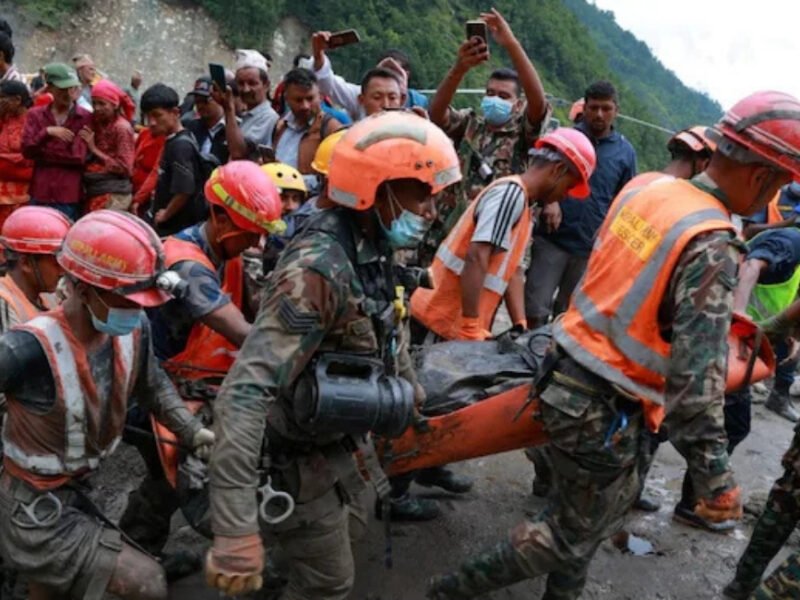
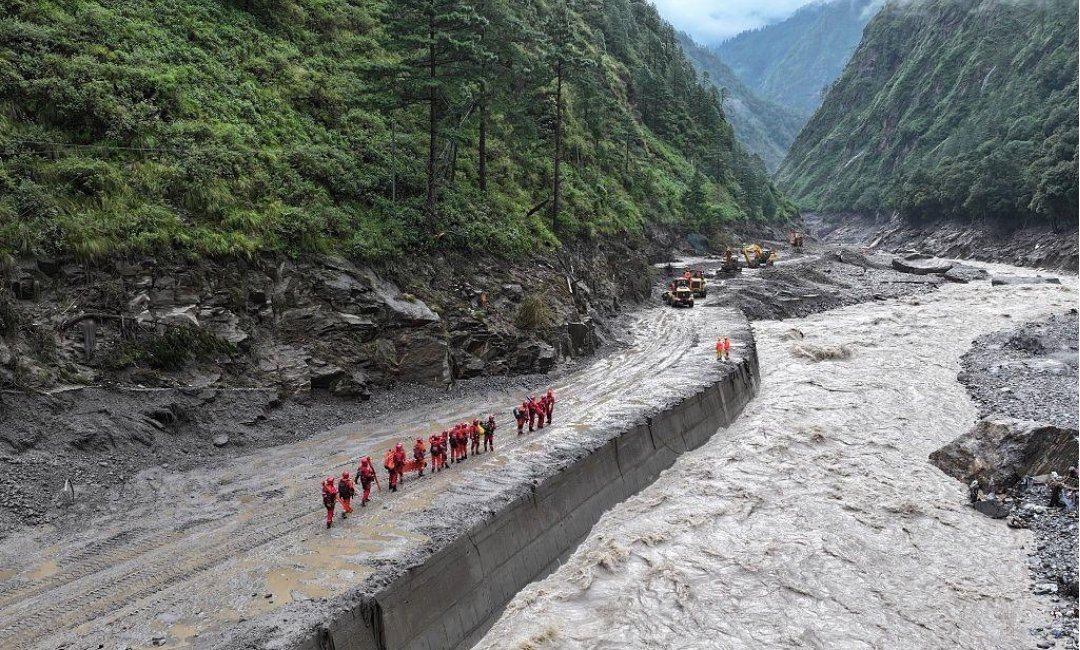
The report said a dispute over coverage of the devastating floods in Nepal and Tibet has intensified on social media, following claims that China censored videos showing the scale of the destruction.
The controversy followed a report by Laura Bicker, BBC China correspondent, who said videos showing the devastation had been removed from Chinese social media platforms.
“Bicker said videos of the landslide and flood surge sweeping through Gyirong Port on the border were scrubbed from the internet, in part, because Beijing fears instability in the politically sensitive region of Tibet,” The Diplomat reported.
The report said the clearest example was the deletion of videos showing a massive wave of mud and water sweeping through Gyirong Port. The footage was initially circulated on Weixin and RedNote, but users later found that it was no longer accessible.
Another form of control, according to The Diplomat, has been restricted access for independent and foreign journalists seeking to report from Tibet.
Allyson Horn of the Australian Broadcasting Corporation said she had made repeated requests to travel to Tibet but was denied access. The Diplomat said other foreign journalists had also been blocked, making it difficult for international media to independently verify the Chinese government’s account of the disaster.
The report said the absence of independent reporting, combined with the removal of footage from social media, has allowed Chinese state media to dominate coverage of the floods. It described this as part of a longstanding tendency in Chinese media to avoid material that could cause social instability or public panic.
According to The Diplomat, state-controlled media coverage of the floods has focused heavily on rescue operations by the People’s Liberation Army (PLA), Chinese Premier Li Qiang’s visit to the disaster zone and President Xi Jinping’s leadership during the crisis. Efforts to reopen roads and deliver disaster-relief supplies to affected residents have also received coverage.
The Diplomat cited The Guardian as noting that there has been considerably less reporting on the impact of the disaster on local villagers, their homes and communities. In Nepal, on the other side of the border, foreign journalists have been able to interview survivors without similar restrictions.
Critics have also alleged that the Chinese government is concealing the true number of casualties. However, The Diplomat noted that the claim remains difficult to verify because outside journalists and independent observers have not been able to access the disaster site and independently establish the death toll. (IANS)