From 22 To 240 Students: Keeping Hindi Alive in America’s Midwest
By Mayank Jain
ST. LOUIS, MO – When my wife, Dr. Anshu Jain, and I started a Hindi language school here, in 2018, we had 22 students and a simple goal: to give children growing up in America a way to stay connected with the language, culture and traditions.
We wanted Hindi to be more than a language children heard at home. We wanted them to read, write and speak it, develop friendships through it and understand the cultural roots it represents.
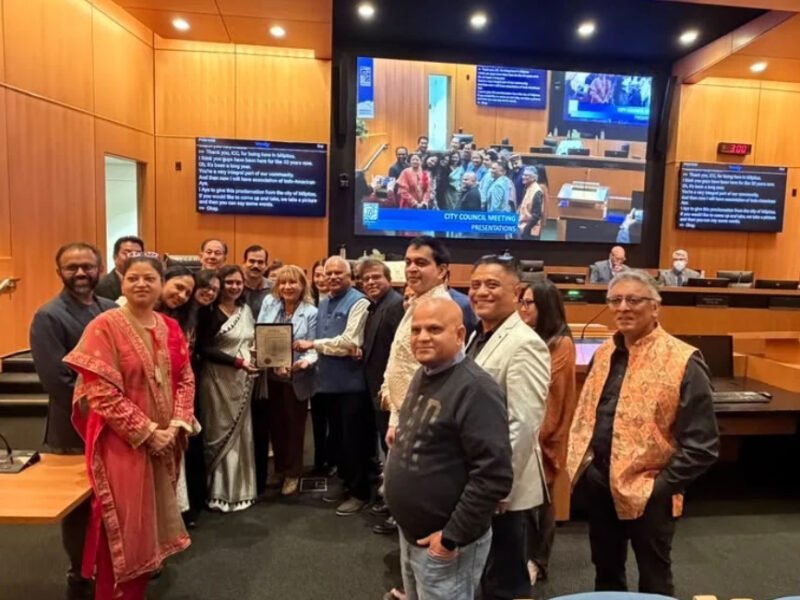
Eight years later, what began as a small volunteer-run initiative has grown into the largest Hindi language school in the Midwest. HindiUSA St. Louis now has 240 registered students, more than 40 volunteer teachers and approximately 10 youth volunteers. Some of those volunteers are former students who have returned to help teach the next generation.
Our journey began when I was searching for a Hindi language program and connected with HindiUSA. We initially operated as an affiliated school and joined the HindiUSA network after approximately a year. Today, we are part of HindiUSA Global, a volunteer-driven network serving about 5,000 students with the support of 400 volunteers.
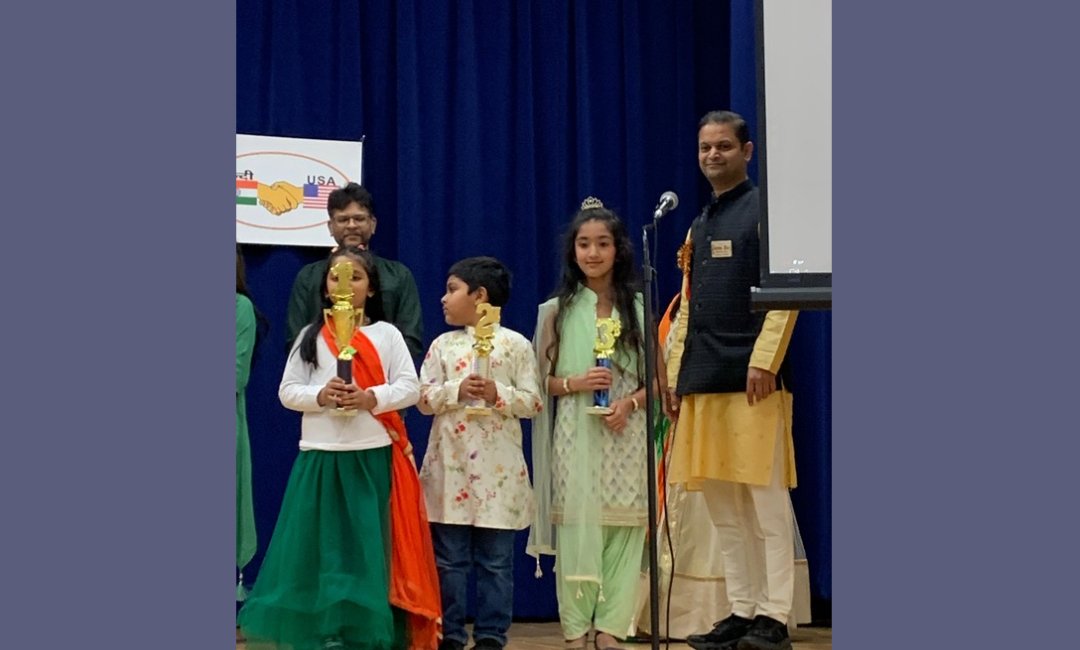
Every Friday, from 6 to 7:30 p.m., children ages 5 to 18 gather for Hindi classes. The lessons combine structured instruction with storytelling, games and interactive activities. We also organize cultural celebrations and Hindi poetry competitions, giving students opportunities to use the language beyond the classroom.
For us, language learning is closely connected to community and values. We organize annual food donation drives and support local charitable organizations, encouraging children to understand compassion, generosity and the importance of giving back.
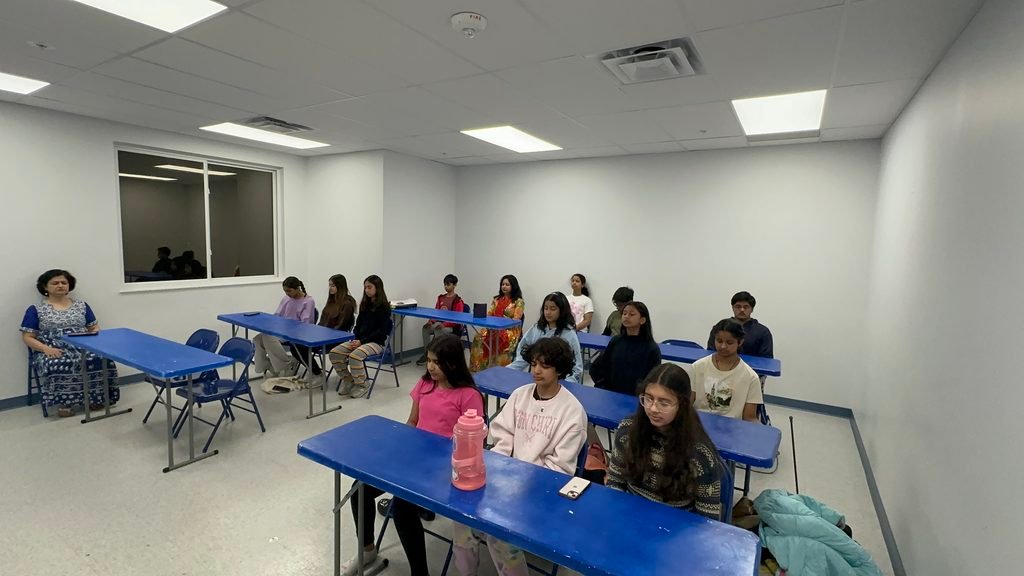
One of the most encouraging developments has been seeing students progress through all nine levels of our Hindi program. Those who complete the course can pursue Missouri’s Seal of Biliteracy certification. Some graduates return as youth volunteers, helping younger children learn the language. Watching former students become teachers has been particularly rewarding. It gives us confidence that the effort will continue beyond the original group of founders and volunteers.
We also want students to receive academic recognition for the time they invest in learning Hindi. Three local public schools have pre-approved foreign language credits for our students, allowing them to receive credits toward their high school transcripts. We recognize volunteer service hours as well, giving students an opportunity to document their contributions in their academic and extracurricular records.
Much of our growth has come through word of mouth, parent involvement and the trust families have placed in the school. We encourage parents to speak Hindi at home and take part in school activities. The classroom experience is important, but children are more likely to retain a language when they hear and use it in their everyday lives.
When we started, we hoped to create a place where children could learn Hindi and remain connected to their heritage. Today, when we see students speaking confidently, participating in cultural activities and returning as volunteers, we see that original vision taking shape.
The growth from 22 to 240 students is encouraging, but the most meaningful measure of our work is the willingness of one generation to pass the language on to the next. That is how we hope to keep Hindi alive in St. Louis.
(Jain, co-founder of HindiUSA St. Louis, works in the IT industry while his wife Anshu is a physician.)