Sona Mohapatra Calls Out Badshah For Misogyny And “Laziest Tropes” In Pop
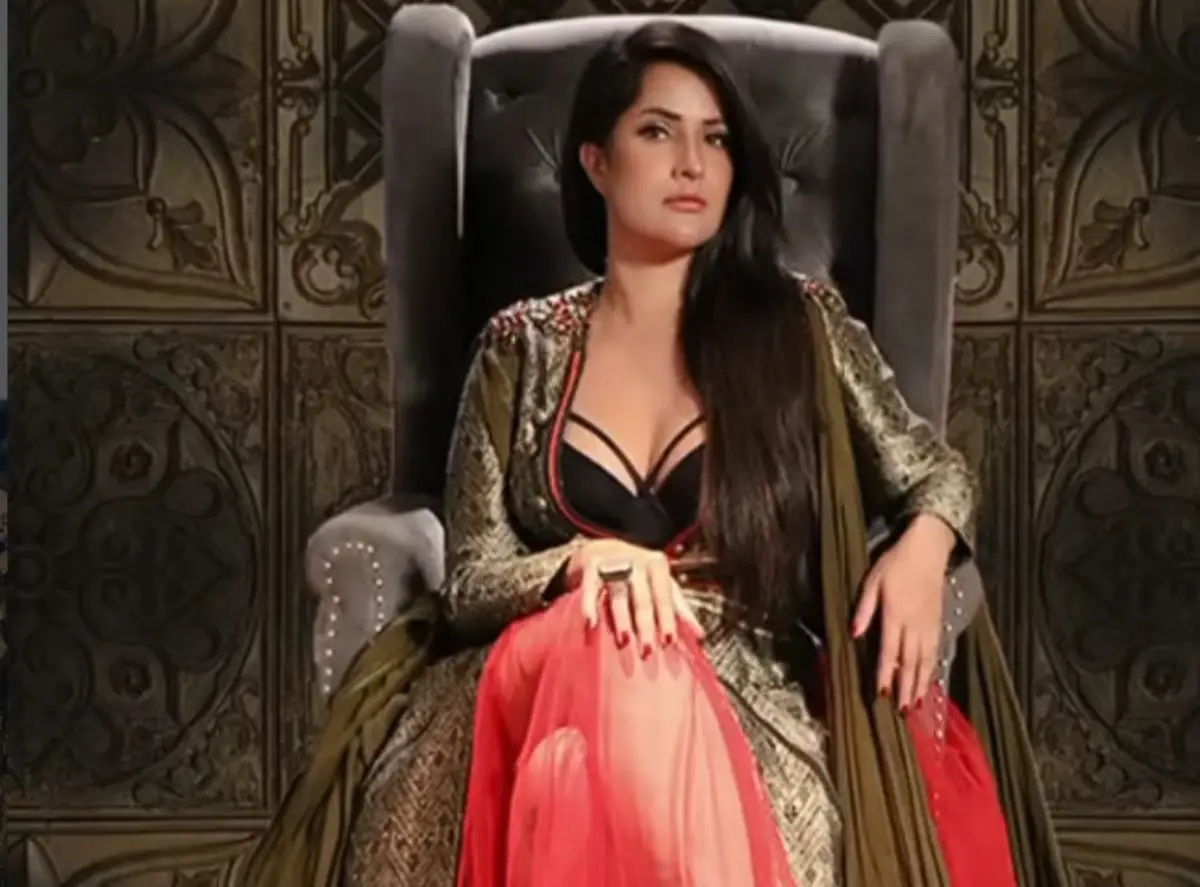
MUMBAI – Sona Mohapatra has sparked conversation about cultural responsibility by taking a sharp dig at rapper Badshah following the backlash over his latest track, “Tateeree.”
Expressing her frustration on social media, Mohapatra criticized the repeated use of misogynistic tropes in pop music, calling out a specific “template” where male performers objectify women to project an image of an irresistible hero. She mocked the lyrical swagger often found in these songs, describing it as “rubbish swag” and labeling it the “laziest trope in pop culture” rather than an act of genuine creativity.
Mohapatra was particularly critical of Badshah’s defense of his roots, stating that simply calling oneself a “son of Haryana” does not justify problematic portrayals. She pointed out that Haryana already faces serious challenges, including some of the country’s worst gender ratios and issues with violence against women. “Artists shape imagination,” she shared, adding that performers have a choice to either challenge misogyny or profit from it.
Her post ended with a direct plea for the industry to “do better” and a critique of the audience that supports such content, specifically highlighting her disapproval of using young girls in school uniforms as props in the music video.
The controversy has moved beyond social media, as Badshah was recently served a notice by the Haryana State Women’s Commission. The commission has asked him to appear on March 13 to record a statement regarding a complaint about “filthy language” and the depiction of minor girls in school dresses in his video.
While the commission specifically objected to certain suggestive lyrics, Badshah broke his silence on March 7 to defend his work. He maintained that as a proud Haryanavi, he never intended to show women or children in a bad light, explaining that his lyrics stem from the Hip-Hop genre where bravado is often used to “bring down” a musical opponent. (IANS)