Nabarun Dasgupta, Teres Puthussery Named 2025 MacArthur Fellows
India-West News Desk
NEW YORK, NY – Researchers, Nabarun Dasgupta and Teresa Puthussery, are among those named as 2025 MacArthur Fellows, one of the United States’ most prestigious honors recognizing exceptional creativity and impact across disciplines. The John D. and Catherine T. MacArthur Foundation announced the new cohort of 22 fellows on October 8.
The award often referred to as the “genius grant,” comes with a no strings attached $800,000 stipend.
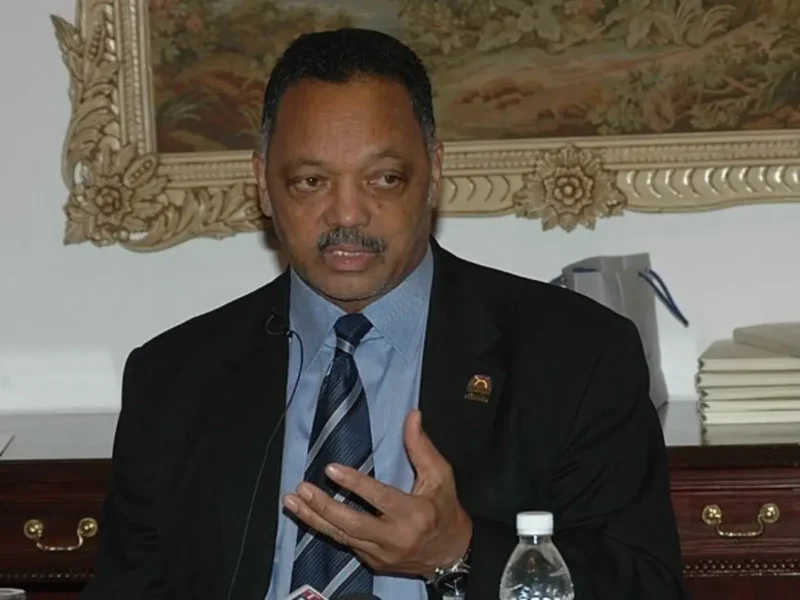
Nabarun Dasgupta, an epidemiologist and harm reduction advocate at the University of North Carolina at Chapel Hill, has spent his career combining rigorous science with community engagement to reduce drug-related deaths and harms. “Our mission is science in service,” Dasgupta said. “We want people to have access to the best knowledge and tools, so they can make better decisions about what they put in their bodies.”
Dasgupta grew up with a passion for public health and earned an AB from Princeton University in 2001, an MPH from Yale University in 2003, and a PhD from UNC in 2013. He co-founded Project Lazarus in rural North Carolina, an initiative that drastically reduced opioid overdose deaths. He later launched Remedy Alliance/For The People, a nonprofit that distributes naloxone—a life-saving opioid overdose reversal drug—to over 500 organizations nationwide. Dasgupta also directs the Opioid Data Lab, which tests street drugs for dangerous or unknown ingredients, providing communities and frontline responders with critical information. His work reflects a blend of compassion, creativity, and scientific rigor, with findings published in top journals such as The Lancet and American Journal of Public Health.
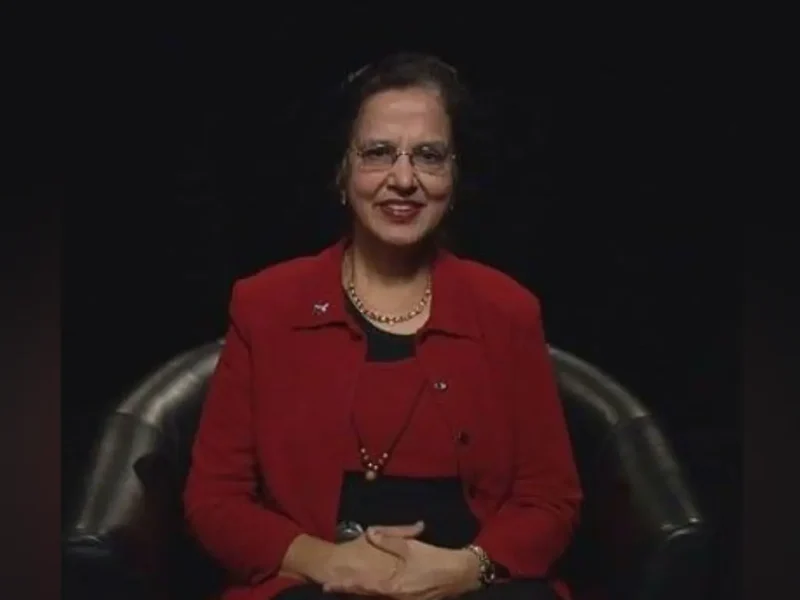
Teresa Puthussery, a neurobiologist and optometrist, studies how the retina encodes visual information for the primate brain. Her work is filling longstanding gaps in understanding human vision and offers potential treatments for retinal neurodegenerative diseases such as glaucoma and macular degeneration.
Born and trained in Australia, Puthussery earned a BS (2000), PhD (2005), and postgraduate degree (2006) from the University of Melbourne. She completed postdoctoral work at Oregon Health and Science University before joining the University of California, Berkeley, where she is an associate professor in the Herbert Wertheim School of Optometry and Vision Science. Her research uncovered direction-selective ganglion cells (DSGCs) in primate retinas—neurons that detect motion direction and stabilize vision—a discovery long assumed to be a function of the brain rather than the eye. Puthussery also investigates how retinal neurons respond to photoreceptor degeneration and explores the potential of stem cell therapies to restore vision. Her work has been published in Nature, Cell Reports, and Journal of Neuroscience.
Kristen Mack, vice president for Communications at the MacArthur Fellows Program, praised the 2025 cohort: “They expand the boundaries of knowledge, artistry, and human understanding… with virtuosity, persistence, and courage, they chart new paths toward collaborative, creative, and flourishing futures.”