Shift In Import Strategy: India To Buy More Gold, Silver From US
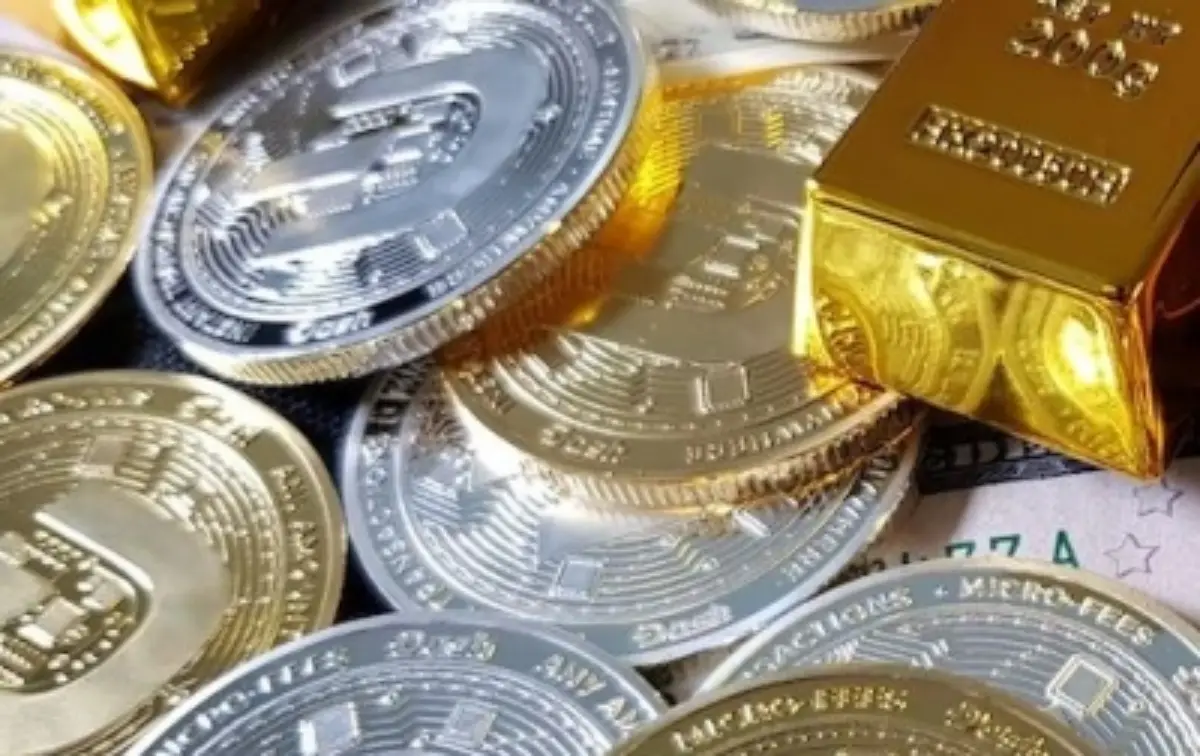
NEW DELHI- While India has diversified its energy basket and started sourcing more oil and gas from the US, it is also diversifying its import basket for precious metals away from the UAE, enabling it to purchase more gold and silver from the US market instead, a senior official said.
This, the official added, will help bring down prices and also reduce the trade surplus with the US.
The United States is a major global hub for trading precious metals. It exports significant amounts of gold, including waste and scrap, and silver, with recent data highlighting billions of dollars in trade, particularly to markets such as Canada, India and the UK. Exports include raw, refined, and jewelry forms.
India exports agri-products worth $2.8 billion to the US and imports agri-products worth $1.5 billion. As a result, India’s non-marine agricultural exports to the US are currently in surplus by $1.3 billion.
The official said that any agri-products imported into India must meet biosecurity concerns, and genetically modified foods are not allowed in the country. Imports of select agri-products from the US are also subject to Tariff Rate Quotas (TRQs), the official added.
The India-US interim trade agreement is poised to act as a significant catalyst for India’s data center industry, driven by increased access to advanced technology, higher investment and reduced operational costs.
The trade pact addresses high import duties, previously in the range of 20–28 per cent, on enterprise GPU servers, which had made setting up data centers in India far more expensive than in hubs such as Singapore. Duty rationalization is expected to reduce the cost of establishing GPU-ready data centers by approximately 14 per cent.
With India’s total exports to the United States standing at $86.35 billion in 2024, the agreement significantly enhances competitive access across key sectors, including textiles, leather, gems and jewelry, agriculture, machinery, home décor, pharmaceuticals, and technology-driven industries. (IANS)