Women, Forest Protection Take Centre Stage At COP31
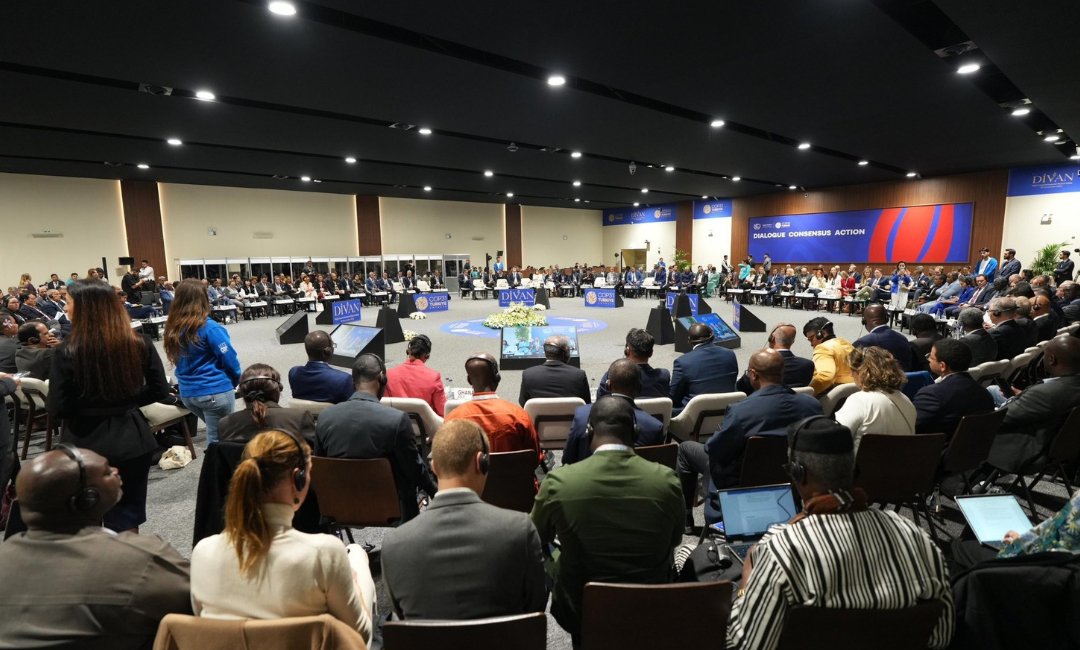
ANTALYA- Indigenous women leaders and frontline climate advocates highlighted the role of women and forest-dependent communities in protecting ecosystems, defending Indigenous rights and advancing climate solutions at events during the UN climate conference COP31 on November 18.
Discussions focused on community-led forest protection, women’s participation in climate decision-making, equitable access to climate financing and the health consequences of climate change and fossil fuel extraction.
At an event organized by the Women’s Earth and Climate Action Network (WECAN), Indigenous women from the Amazon and other forest regions shared their experiences defending their territories, forests, biodiversity and waterways. Speakers discussed the need for stronger land rights, greater representation in policymaking, accessible financing and protections for environmental and land defenders.
The discussions underscored the importance of Indigenous women’s leadership as governments shift their focus from climate commitments to implementation, particularly in addressing the interconnected climate and biodiversity crises.
Women in coastal Indonesia were also highlighted for their community-led climate initiatives, including efforts to improve access to clean water through rainwater harvesting and local water management.
The focus on women’s access to climate financing followed the November 17 launch of a report titled ‘The Unfunded Half’ by the International Fund for Agricultural Development (IFAD) and Turkey’s Ministry of Agriculture and Forestry. The report establishes a baseline for measuring the amount of climate finance reaching women smallholder farmers.
In a separate panel at the Health Pavilion, WECAN brought together frontline women leaders, health advocates and climate justice representatives to examine the effects of climate change and fossil fuel extraction on women’s health and well-being.
Speakers addressed health risks associated with rising temperatures, air pollution, water contamination and fossil fuel activities, including reproductive health complications, adverse pregnancy outcomes, cancer and mental and emotional health challenges.
The panel also examined how these impacts compound women’s economic and caregiving responsibilities, while their health concerns often receive insufficient attention in climate policies, healthcare systems, research and international negotiations.
Participants highlighted community-led responses, including the restoration of traditional health practices, promotion of food sovereignty and protection of local ecosystems. They also called for women’s health and gender-responsive approaches to be incorporated more fully into climate policies, financing and adaptation measures, as well as Just Transition discussions and implementation of the Gender Action Plan. (IANS)