Kho Kho Finding Its Stride In America
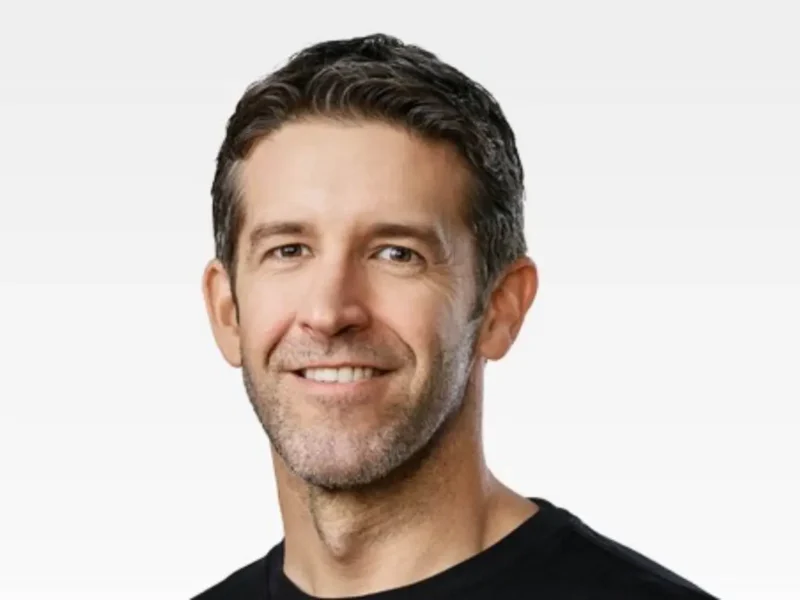
Photo: LinkedIn
India-West News Desk
NEW DELHI— A traditional South Asian sport known for its speed, strategy, and simplicity is beginning to carve out a place in the United States, moving beyond the South Asian diaspora and tapping into the country’s appetite for dynamic team games.
Kho Kho, a centuries-old Indian tag-based sport, has long thrived in schoolyards across the subcontinent. Now, thanks to grassroots efforts and diaspora leadership, it is being introduced in American communities as both a cultural bridge and a fresh athletic option.
In the U.S., the sport’s rise is being guided by the United States Kho Kho Association (USKKA), which has set up state-level hubs in California, New Jersey, and Georgia. These centers are driving growth through weekend coaching camps, school demonstrations, and local tournaments designed to create a steady talent pipeline.
The sport’s biggest advantage, advocates say, is its accessibility. Requiring only a flat surface, poles, and players, Kho Kho can be played almost anywhere. Its fast-paced chase-and-dodge format also resonates with American children already familiar with playground favorites like tag and dodgeball.
“Kho Kho has a strong foundation to continue growing, and interest will only expand worldwide,” said Evan Couchot, President of USKKA, while acknowledging that the organization’s ability to host larger events is still limited by funding and resources.
The U.S. effort remains community-driven for now, with the Indian diaspora playing a leading role in introducing the sport to schools and recreational leagues. Advocates believe broader recognition will come as more non-Indian players discover the game’s intensity and teamwork-driven strategy.
The long-term vision is ambitious: a future Pan-American Kho Kho Championship and, eventually, a pathway to global multi-sport events such as the Commonwealth Games or even the Olympics. For that, leaders like Couchot stress the need for deeper collaboration with national sports bodies, sponsors, and universities.