2025: Anti-Obesity Drive, Generic Drugs Were India’s Focus
NEW DELHI – Obesity emerged as a central focus of public health policy in India in 2025, driven by a major overhaul of clinical definitions, a surge in new weight loss medications and a series of government led prevention initiatives.
After nearly 15 years, India revised its obesity guidelines by lowering the body mass index threshold for obesity to 25 kilograms per square metre from the international standard of 30. Under the new framework, individuals with a BMI between 23.0 and 24.9 are classified as overweight. The updated guidelines mark a shift away from BMI alone and place greater emphasis on abdominal obesity and related diseases. Clinical assessment now prioritises waist circumference and the waist to height ratio, measures considered more effective in identifying excess abdominal fat that is common in the so called thin fat Indian phenotype.
The policy shift comes amid a growing burden of excess weight. Data from the National Family Health Survey conducted between 2019 and 2021 show that nearly one in four Indian men and women are overweight or obese. Childhood obesity is also rising, with around five per cent of school going children classified as obese.
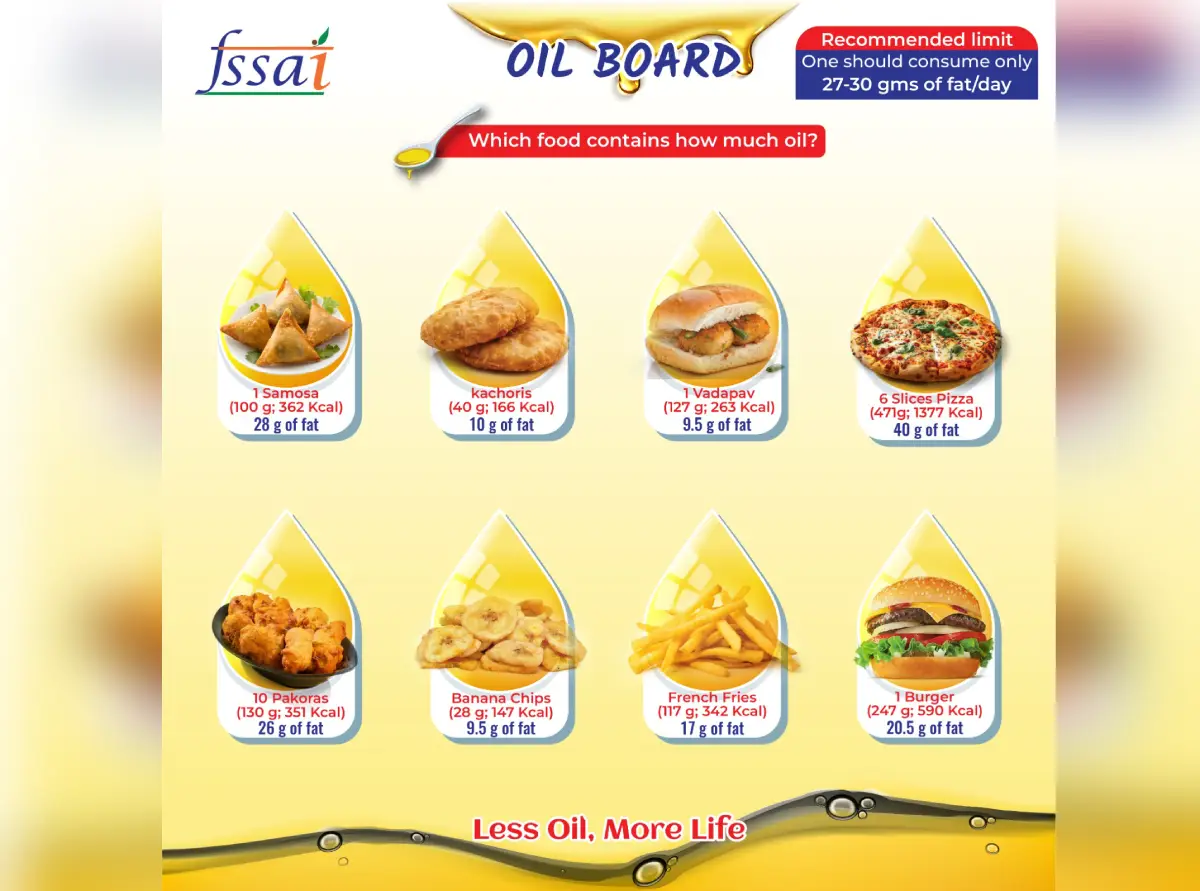
In response, the government launched a national campaign to cut household edible oil consumption by 10 per cent as a preventive measure against obesity. The Ministry of Health also directed government offices and schools to install sugar and oil boards to promote healthier food choices. These boards feature posters and digital displays that highlight the sugar and oil content in commonly consumed foods such as samosas, kachoris, pizza, pakoras, banana chips, burgers, soft drinks and chocolate pastries. They also outline the health impact of excessive consumption and display recommended daily limits for sugar and fat intake.
Alongside policy measures, India witnessed a sharp rise in the use of GLP 1 based anti obesity medications in 2025. The anti obesity drug market became the fastest growing pharmaceutical segment, reaching about Rs 628 crore by mid year and expanding at an estimated compound annual growth rate of 46 per cent. New launches included Eli Lilly’s Mounjaro containing tirzepatide, Novo Nordisk’s Wegovy and Ozempic, both based on semaglutide. The push for generics also gathered pace, with products such as Biocon’s liraglutide, Emcure Pharmaceuticals’ Poviztra and Cipla’s Yurpeak introduced through partnerships and licensing arrangements.
Major domestic drugmakers including Cipla, Dr Reddy’s Laboratories, Sun Pharma and Zydus are now preparing to roll out additional generic versions, which are expected to be between 50 per cent and 85 per cent cheaper than innovator brands, potentially widening access to treatment in the coming years. (IANS)