Charan Hembram’s Race To Save Santali Heritage, Language
India-West News Desk
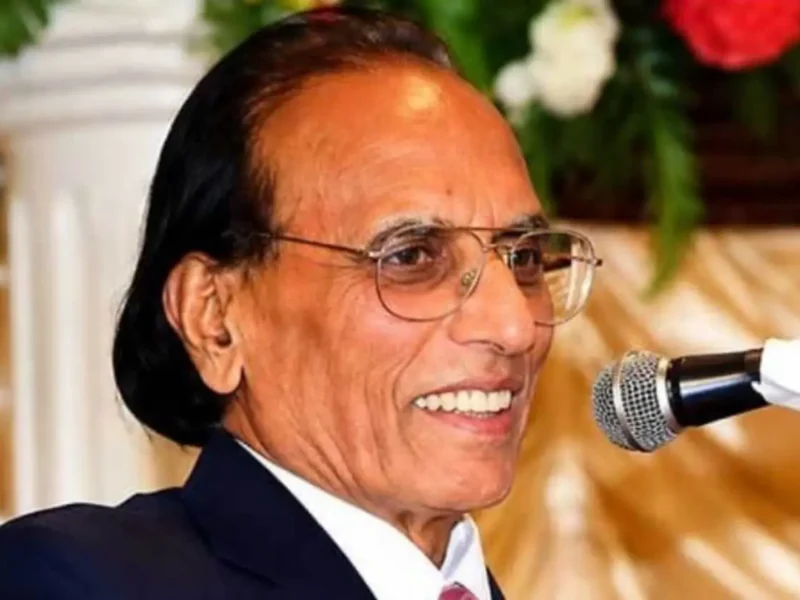
BHUBANESWAR – Charan Hembram has spent a lifetime doing what many fear is becoming rare in India’s linguistic landscape, protecting, teaching, and writing in a tribal language with deep roots and a fragile future. On January 25, the prominent Santali writer and composer from Odisha received national recognition when his name was announced among those nominated for the Padma Shri, bringing renewed attention to both his work and the language he has dedicated his life to.
For Hembram, the honor is inseparable from the cause. Often described as a sentinel of Santali language and culture, he sees literature and education as tools of social transformation. Over the years, he has established several schools aimed at promoting education among tribal children, while also working to counter superstition through learning and cultural awareness. “The development of tribal communities and the spread of education among tribals are the biggest challenges before me,” Hembram said, reflecting on his mission.
His own journey is closely tied to the history of Santali itself. He has written five books focusing on the culture and heritage of tribal communities, documenting traditions, belief systems and oral histories that have long existed outside mainstream literary spaces. Hembram credits his lifelong commitment to the guidance of his guru, Pandit Raghunath Murmu, the pioneering Santali writer and educator who developed the Ol Chiki script in the early twentieth century. Murmu’s work transformed Santali from a largely oral language into one with a distinct written identity, and Hembram has carried that legacy forward.
Santali is the most widely spoken language of the Munda subfamily of Austroasiatic languages and is spoken by more than seven million people across India, Bangladesh, Bhutan and Nepal. In India, it has a strong presence in Jharkhand, West Bengal and Odisha, with significant speaker populations also found in Bihar, Assam and parts of the northeast. The language was included in the Eighth Schedule of the Indian Constitution in 2003, granting it official status and opening doors for its use in education, administration and competitive examinations.
Linguists regard Santali as phonologically conservative, retaining features that have disappeared from many related Munda languages. It has a rich vowel system and distinct dialects broadly divided into northern and southern varieties, shaped by geography and contact with neighbouring languages. Despite this complexity and resilience, Santali, like many tribal languages, faces pressure from dominant regional and national tongues.
Hembram’s work addresses that tension directly. By writing in Santali and supporting education within tribal communities, he has helped assert the language as a living, evolving medium rather than a relic of the past. His efforts also reflect a broader movement among Santali intellectuals who see language as central to dignity, identity and self representation.
The Padma Shri nomination has been welcomed by writers and educators as recognition not only of one individual but of a language and culture that have often remained at the margins.
The task of nurturing Santali, Hembram insists, is ongoing, rooted in classrooms, books and the everyday lives of its speakers.