LPG Crisis Grips India, Government Working To Stabilize Supplies
India-West News Desk
NEW DELHI – India is grappling with a deepening LPG crisis triggered by supply disruptions through the Strait of Hormuz as tensions escalate in the Iran–US–Israel conflict, with signs of distress visible across households and industry even as the government moves to contain the fallout.
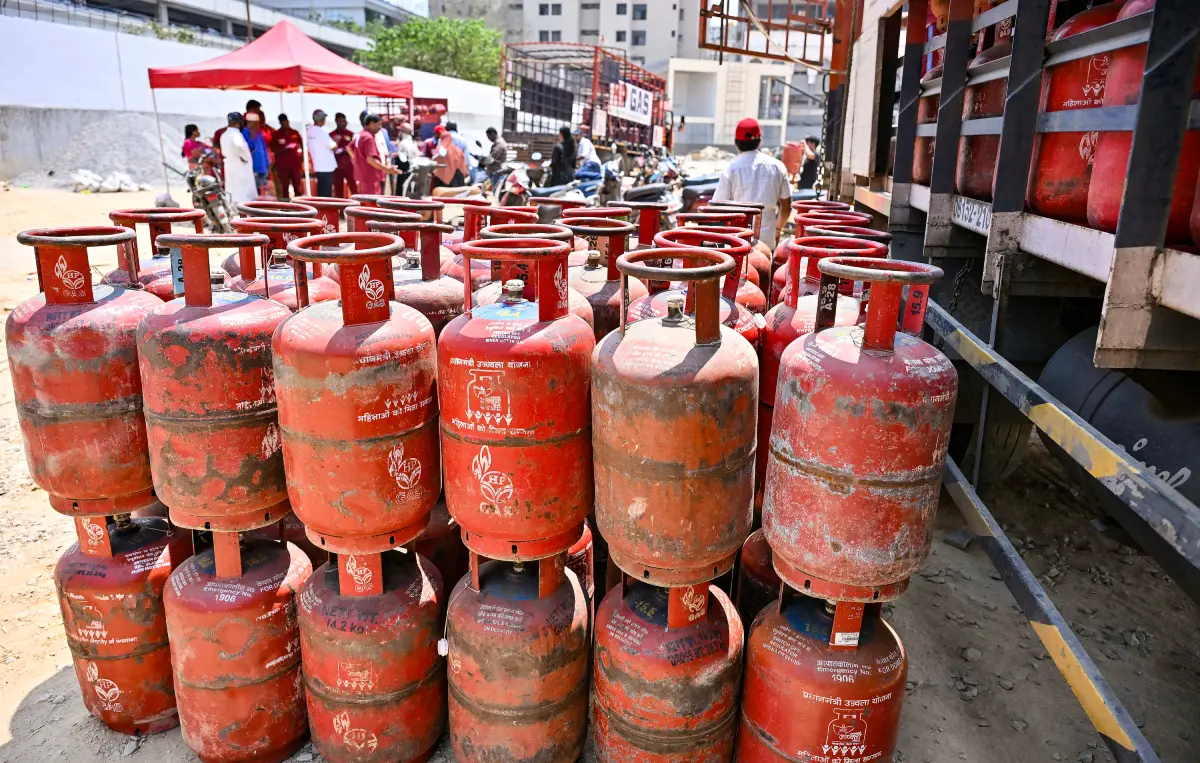
On the ground, the strain is increasingly evident. Long queues have formed outside LPG distribution centers in several cities, while reports of hoarding and even cylinder theft have surfaced. Small eateries, bakeries, and food processing units are scaling back operations, and some have shut temporarily as supplies tighten. Households are scrambling to secure refills, with more than lakhs of cylinders booked nationwide in recent days, reflecting a surge in demand driven by uncertainty.
Hotels and corporate cafeterias have begun trimming menus, avoiding dishes that require heavy gas usage, while factories dependent on LPG, particularly in sectors such as biscuits and packaged foods, have reduced output. Industry representatives say the disruption is beginning to ripple through supply chains, raising concerns about broader economic impact if shortages persist.
India relies on imports for about 60 percent of its LPG needs, with nearly 90 percent of those supplies typically routed through the Persian Gulf via the Strait of Hormuz, making the country particularly vulnerable to geopolitical shocks in the region.
Even as the effects are being felt widely, the government has sought to reassure the public. Sujata Sharma, Joint Secretary in the Petroleum and Natural Gas Ministry, said oil marketing companies are rapidly diversifying procurement, sourcing LPG from multiple global suppliers, including the United States, to reduce dependence on Gulf shipments.
“There is no dry-out at any LPG distributor, and supplies to consumers remain smooth,” Sharma said, urging citizens to avoid panic buying and black-market purchases.
Officials maintain that refineries are operating at full capacity and that adequate stocks of petrol and diesel are being maintained. Oil marketing companies have also reported no significant shortages at fuel stations or LPG distributorships. (with IANS inputs)