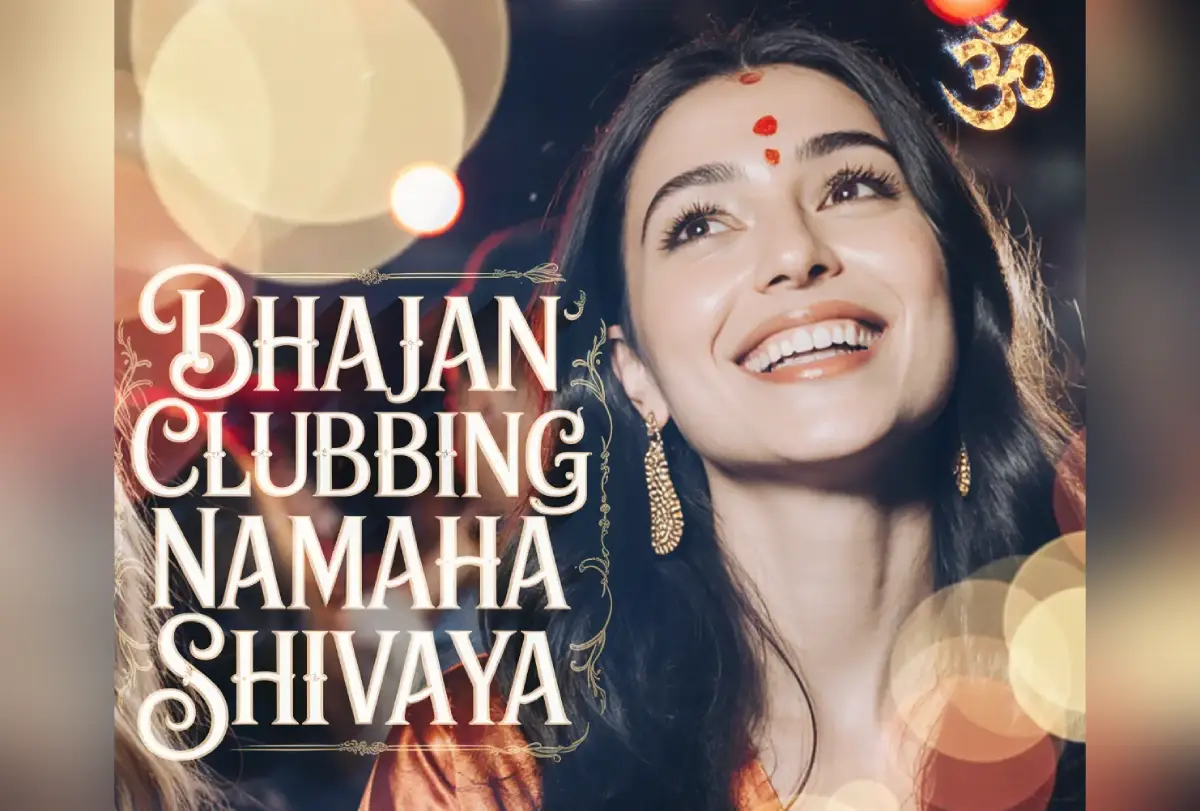
‘Bhajan Clubbing’ Is Gen Z’s New Way Of Finding The Divine
By Sandeep Khurana
Devotion, it seems, is finding a new address.
It may be a café, a college courtyard, a rooftop, or an open air venue glowing with soft lights and incense. The sound is familiar yet unexpected. Ancient bhajans rise over electronic beats, tablas pulse alongside synths, and a young crowd sings along with closed eyes and raised hands.
This is bhajan clubbing, and Gen Z has made it their own.
What surprises many is not just the popularity of these gatherings, but who is driving them. Gen Z, often seen as hyper digital and globally influenced, is at the center of a revival of devotional music. Instead of turning away from tradition, they are reshaping it into something immersive, social, and deeply emotional. For them, spirituality is no longer confined to temples or formal settings. It is something to be felt, shared, and lived in the moment.
Bhajan clubbing works because it speaks the language this generation understands. The music is repetitive and hypnotic, building a rhythm that feels almost trance like. Familiar devotional lyrics are layered with modern soundscapes, creating an atmosphere that feels both sacred and celebratory. It is not about rules or rituals. It is about experience.
Young people come for the music, stay for the feeling, and leave with a sense of grounding that is hard to find elsewhere.
The settings play a big role too.
Unlike traditional bhajan sessions, these events happen in relaxed, contemporary spaces. DJs and musicians remix classical bhajans live, blending harmonium, mridangam, and tabla with electronic music. The result is a sound that respects tradition without being trapped by it, making devotional music approachable even for those who may not have grown up with it.
There is also a strong wellness element at play.
Many Gen Z listeners are navigating burnout, anxiety, and constant digital noise. Bhajan clubbing offers a kind of emotional release. The collective singing, steady beats, and devotional words create a calm that feels similar to meditation. For many, it is less a concert and more a reset. A place to breathe, slow down, and reconnect.
Visually, these events are carefully crafted.
Ambient lighting, ethnic clothing, and thoughtfully designed stages turn bhajan clubbing into an experience that is both meaningful and beautiful. It fits naturally into Gen Z’s world, where moments are shared online and aesthetics matter. Yet the visuals are not empty. They enhance the mood and draw people deeper into the music and its meaning.
Another quiet shift is happening alongside this trend. Many young people are moving away from alcohol centered nightlife. Bhajan clubbing offers the same sense of collective high through rhythm, devotion, and shared energy, without the excess. It reflects a changing idea of fun, one that values clarity, connection, and presence.
At its heart, bhajan clubbing is also about cultural pride. By embracing devotional music in a modern form, Gen Z is reclaiming tradition on its own terms. They are not rejecting the past. They are reintroducing it, making it relevant to their lives today. In doing so, they challenge the idea that youth and tradition cannot coexist.
Bhajan clubbing is no passing fad. It is a reflection of how a new generation is redefining spirituality, not as something distant or rigid, but as something alive, inclusive, and joyful.

(Khurana is a California based music composer and filmmaker who has produced music across genres, including bhajan healing music, music for reiki and meditation, yoga music, and sacred chant symphonies.)