India Puts Conflict Diamonds and Illegal Mining On Global Agenda
NEW YORK, NY- India, the world’s largest importer of rough diamonds, has projected the Kimberley Process, an international arrangement it chairs this year, as a mechanism to prevent the illegal exploitation of natural resources by armed groups and curb the trade in conflict diamonds.
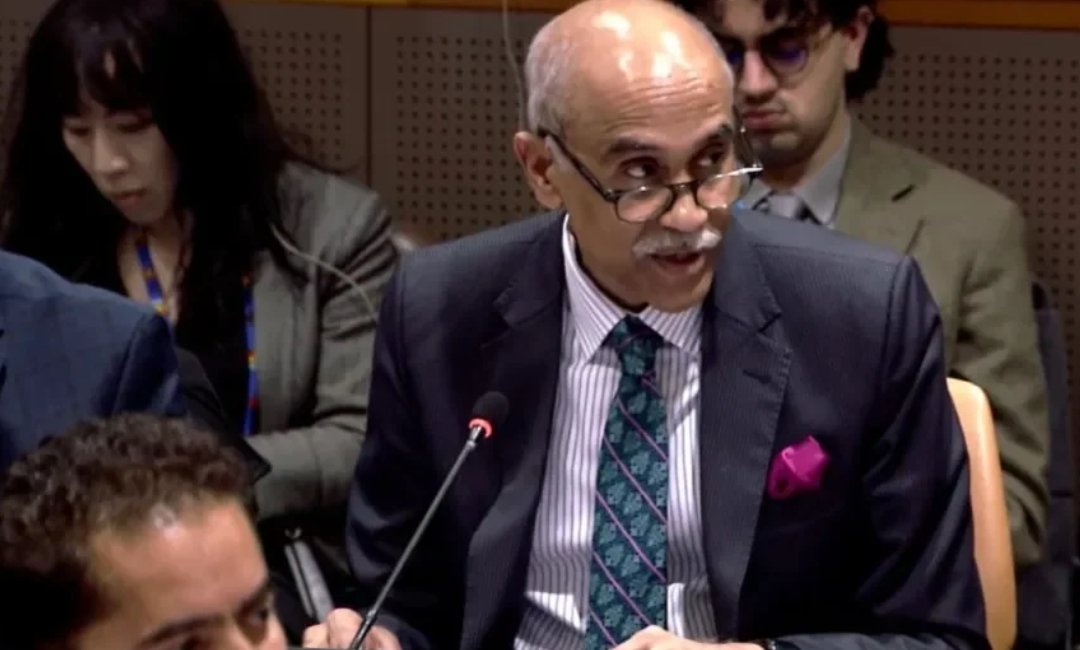
“As Chair of the Kimberley Process in 2026, India is committed to strengthening its effectiveness and inclusiveness,” India’s Permanent Representative to the United Nations, P Harish, said on Nov. 18.
The Kimberley Process, involving 86 countries and backed by the United Nations, seeks to ensure that illegally mined diamonds are kept out of the global supply chain for rough diamonds.
“By bringing together governments, industry and civil society, it has curbed the trade in conflict diamonds while keeping legitimate trade open,” Harish said.
Diamonds illegally mined in countries affected by civil conflicts, including the Central African Republic and the Democratic Republic of the Congo, are used by armed groups to fund their activities.
“Illicit exploitation and trafficking, in specific situations, can finance armed groups and prolong conflict,” Harish said.
Sierra Leone, which will preside over the UN Security Council next month, convened an informal meeting of the Council on ‘Natural Resources and Conflict: Strengthening Cooperation for Prevention and Peace’. The country has experienced the fallout of armed rebel groups exploiting mineral resources.
India is at the center of the global diamond trade, importing rough diamonds worth $10.48 billion in the last financial year and exporting finished diamonds valued at $12.16 billion.
“Cooperation among producing, transit and consuming countries must reduce opportunities for illicit trade without penalizing lawful commerce,” Harish said.
He said transparency, responsible supply chains and due diligence were important, but cautioned that such standards “should not become compliance burdens or disguised barriers to trade for developing countries”.
Harish also called for local value addition, technology partnerships and capacity-building to benefit resource-rich countries in the Global South.
Highlighting India’s efforts to ensure mining benefits reach local communities, he cited the District Mineral Foundations established under the country’s mining law.
“In India, District Mineral Foundations, established under our mining law, direct contributions from mining operators to the welfare of communities and areas affected by mining,” he said.
“Arrangements of this kind, with the participation of local communities including women and youth, make resource wealth visible in people’s lives,” he added. (IANS)