Indian American Donors Deepen Giving To Causes In US And India
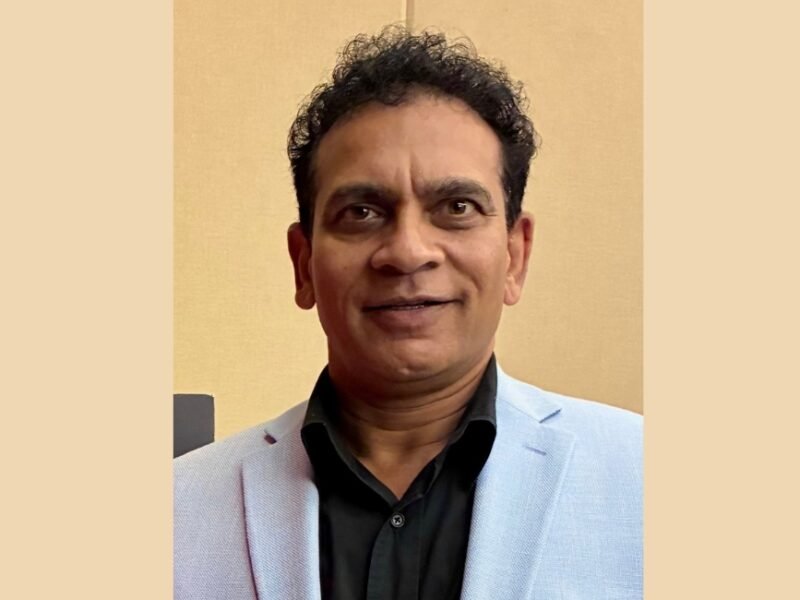
CAPTION: B U Patel of the Tarsadia Foundation
India-West News Desk
SAN FRANCISCO, CA– Indian American philanthropy is growing, with donors directing money, time and professional expertise to causes in the United States and India. Giving is also becoming a way to build community and pass values and cultural connections to younger generations, according to a report by The Bridgespan Group and the Ford Foundation.
The report, ‘Indian American Philanthropy: Strengthening Values and Community Across Generations,’ is based on available data and interviews with more than 60 donors, nonprofit leaders and experts. It identifies three forces shaping Indian American giving: expressing values and interests, building community, and engaging across generations.
The report comes as the Indian American population has grown from about 360,000 in 1980 to 5.2 million. In 2023, Indian American households reported a median annual income of $151,200, compared with $80,610 for U.S. households, according to figures cited in the report.
Meena Lakdawalla-Flynn, chair of Global Private Wealth Management at Goldman Sachs, told the researchers that Indian Americans are among the most generous communities she has worked with.
EDUCATION
Education is a major focus with Indian Americans estimated to have donated more than $3 billion to higher education in the United States since 2008. Many donors also support education in India, often connecting their giving to their parents’ experiences.
Sapna Saxena, co-founder of Neel Capital Management and head of the Saxena Family Foundation, gives in both countries. She supported an Indian film series at the Coolidge Corner Theatre in Massachusetts, while her family has donated to Akshaya Patra and Ashoka University in India. Saxena said her parents’ education at the Indian Institute of Technology and Delhi University shaped the family’s continued focus on education in India.
Rashi Mehta established the Iron Lady Foundation in honor of her mother, one of the first female gynecologists in Rajasthan. The foundation focuses on girls’ education and women’s empowerment in rural India.
Professional experience also shapes giving. Deepak Chopra, who lives part-time in California, is founder and CEO of Freedom Employability Academy, which trains youth in northern India’s Hindi belt in English, digital and AI literacy, communication and other employability skills.
Chopra invests about $18 million annually in FEA, according to the report. Its more than 500-hour program reaches approximately 100,000 students annually, and the organization has served more than 800,000 students. A Stanford evaluation cited by the researchers found that completing the one-year program was associated with graduates earning more than comparable peers over their careers.
NEEDY RECIEVE
California resident BU Patel and his family built their wealth through hospitality and investments. His philanthropic approach was shaped by the 2001 earthquake in Gujarat and its lessons about communities determining responses to local problems.
Through the Tarsadia Foundation, the family committed $10 million over five years to the Rebuild India Fund, supported by Dasra. The fund provides flexible, multiyear support to grassroots organizations serving marginalized communities across India and emphasizes local knowledge in determining how grants are used.
The report also describes philanthropy as a means of building community among Indian Americans. Pratham USA has chapters in 14 U.S. communities, more than 300 volunteer leaders and more than 7,000 donors and raises approximately $30 million annually. Akshaya Patra has nearly 40,000 individual donors within the Indian American diaspora.
RETAINING CONNECTIONS
Families are also using philanthropy to maintain connections between generations. The Tarsadia Foundation, now involving three generations, has organized service trips to India for younger family members.
Sapphira Goradia Shaw works with the Vijay and Marie Goradia Foundation, while Pia Desai works with the Desai Sethi Foundation, which supports economic mobility, education and health programs in the United States and India. Goradia Shaw told researchers that childhood trips to India shaped her identity and understanding of her parents’ experiences.
Organizations have developed programs for younger donors as well. The American India Foundation runs a youth ambassador program for high school students, the India Philanthropy Alliance sponsors an essay competition for middle and high school students focused on development issues in India, and AKF USA offers summer camps, internships and a Youth Ambassadors program.
Manisha Bharti, CEO and Global Executive of Pratham USA, said philanthropy can give parents a way to pass values and traditions to children born and raised in the United States.
OBSTACLE
The report identifies obstacles to giving, particularly to India, including difficulty identifying high-impact organizations, establishing trust and navigating regulations governing foreign philanthropy.
The report said the India Philanthropy Alliance, a U.S.-based coalition of more than 30 organizations, and India Giving Day can help donors find vetted organizations and reduce uncertainty around giving alone.
Sharmila Rao Thakkar, a philanthropy advisor to Indian American donors and families, said many donors want to give to India but need guidance on credible organizations and cross-border giving. Neera Nundy, co-founder of Dasra, cited concerns about organizational credibility, governance and how funds are used.
RECOMMENDATION
The researchers recommend stronger connections among donors, help with regulatory barriers, vetted funding channels and greater support for Indian nonprofits seeking diaspora donors. They also identify women-focused philanthropy as an area for growth, noting that Indian American women give an estimated 40% less of their income than men and that 18% say they have not been asked to give to causes they care about.
Rohit Menezes, a Bridgespan partner and co-author based in San Francisco, said the research found philanthropy closely connected to identity and belonging and pointed to an opportunity to make giving easier through trusted information, stronger connections and opportunities to learn and give together.
Co-authors of the report are Isaiah Baker and Bradley Seeman of Bridgespan’s Boston office.