
Miscalculation, Overconfidence Might Have Led To Talks Failing: Reuters
India-West News Desk
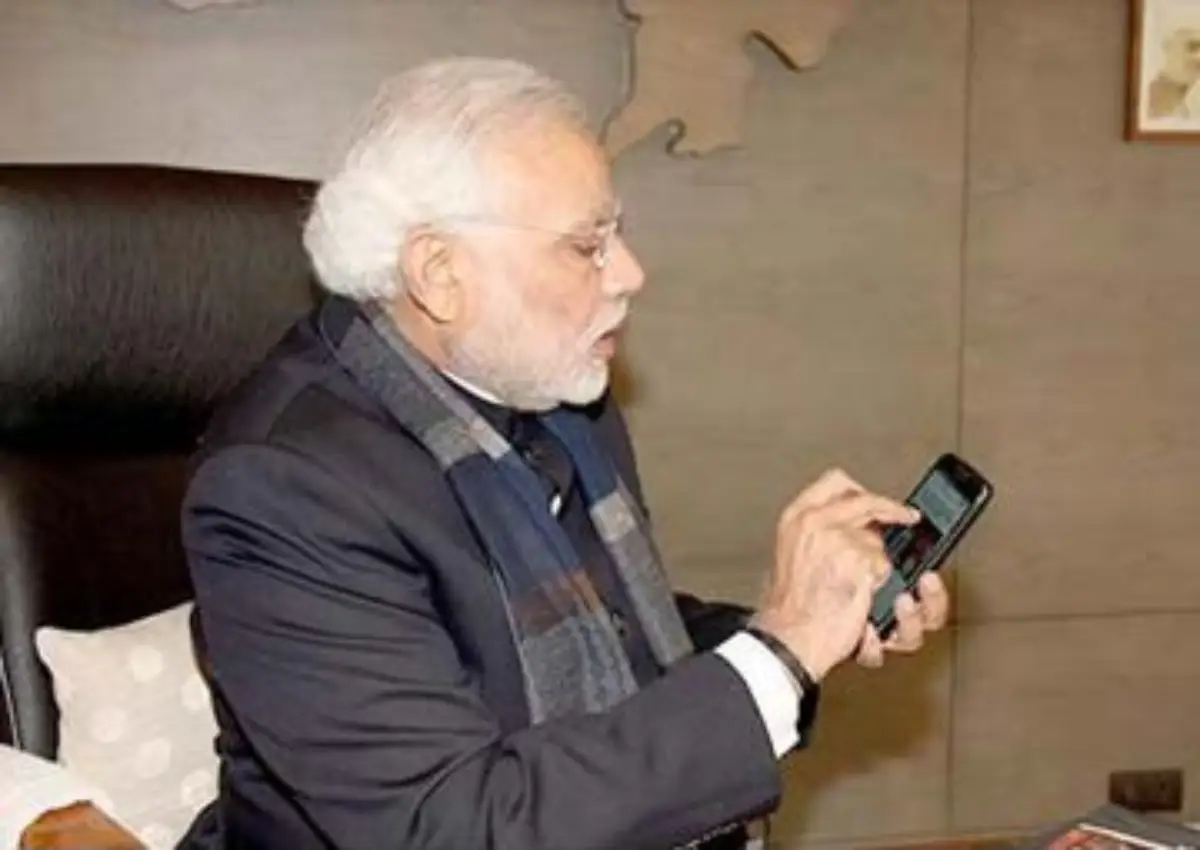
NEW DELHI — A long-expected trade deal between India and the United States fell apart in the final stretch, with Indian officials now pointing to a mix of political miscalculation, overconfidence, and a conspicuous lack of direct communication between Prime Minister Narendra Modi and President Donald Trump.
Modi made a decision not to make a final call to Trump—an omission Indian officials attribute partly to the U.S. president’s repeated and controversial comments about mediating the India-Pakistan conflict. According to Reuters, Indian negotiators also feared “a one-sided conversation with Trump that could put him (Modi) on the spot.” But that wasn’t the only reason the deal failed.
As Reuters reports, both governments had, by late July, resolved most of their major differences through five rounds of negotiations. India had agreed to gradually reduce tariffs on U.S. automobiles and alcohol, raise imports of American energy and defense equipment, and offer zero tariffs on industrial goods, which comprise 40% of U.S. exports to India.
Indian officials, speaking to Reuters, said India now believed the U.S. would accommodate New Delhi’s reluctance to open up its markets to duty-free agricultural and dairy imports—two politically charged sectors. These assumptions turned out to be misjudged.
After visits by Indian Trade Minister Piyush Goyal to Washington and U.S. Vice President J.D. Vance to Delhi, negotiators grew increasingly confident. Modi himself had visited Washington in February and agreed to work toward doubling bilateral trade to $500 billion by 2030. According to Reuters, the Indian side even anticipated that Trump would announce a deal in late July. That never happened.
Instead, Trump moved forward with major trade agreements with Japan, the European Union, and South Korea—each of which offered steep concessions in exchange for reduced tariffs. South Korea, for instance, secured a 15% tariff rate by pledging $350 billion in investments, energy purchases, and access to its agriculture markets.
India, by contrast, hoped for similar terms with fewer concessions. A senior Indian official admitted to Reuters that New Delhi had hardened its position on key U.S. demands, including those related to agriculture and dairy, after interpreting Trump’s public optimism as a sign that the deal was already in hand.
That overconfidence backfired. On August 6, Trump announced a 25% tariff on Indian goods, effective August 8. He also extended the same tariff to oil imports from countries still purchasing Russian crude—directly targeting India.
Despite the setback, talks may not be entirely dead. A U.S. delegation is expected to visit New Delhi later this month, and Indian officials are reportedly reviewing options for limited concessions in farm and dairy trade. One possible olive branch: reducing Russian oil purchases in favor of U.S. energy imports, provided pricing aligns.

Arun Chauhan
/
It is time to cancel Boing Deals? India is buying 250 in between Indigo & Air India.
August 6, 2025Arun Chauhan
/
Also Call Air Bus they have Helicopter assembly in India India can co-operate and start passenger planes soon.
August 6, 2025Indiaspora, CA
/
The U.S.-India Relationship is Durable, Underpinned by People to People Ties
With over 5 million Indian Americans contributing meaningfully to the U.S. economy, culture, and civic life, the diaspora serves as a living bridge between the world’s two largest democracies. The Indian diaspora in America are key contributors to making the relationship between the countries unique, special, deep rooted and impactful.
Over the past several decades, this community has helped cultivate vital connections across business, technology, academia, philanthropy, and the arts. At Indiaspora, we have convened high level people to people dialogues in both nations for more than a decade to foster mutual understanding and collaboration.
We believe the U.S.-India relationship is not just important—it is essential. As global dynamics shift, this economic partnership should stand as a cornerstone for stability, innovation, and progress in the 21st century.
We believe that the current setback in what is otherwise an enduring, robust and broad based people to people relationship will be temporary. We remain optimistic that the ongoing discussions, when concluded, will reflect the aspirations of both nations and the global Indian diaspora that believes in them.
August 7, 2025