Who Speaks For The Mountains?
By Rishikant Singh
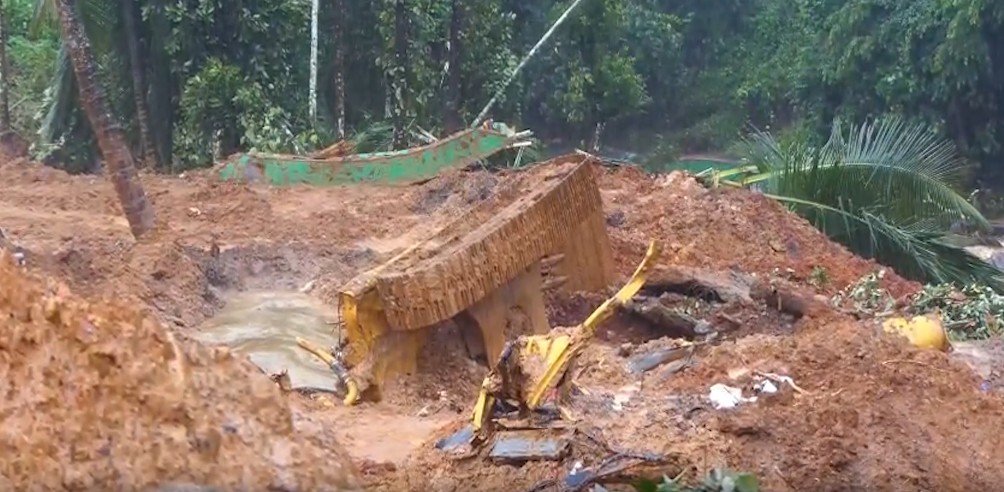
The news of another under-construction tunnel accident in Wayanad, Kerala, is deeply disturbing. Once again, lives have been lost. My heartfelt condolences to the families affected.
Every such tragedy compels us to ask a difficult question:
How much more are we willing to cut, blast, drill, and hollow out our mountains in the name of development?
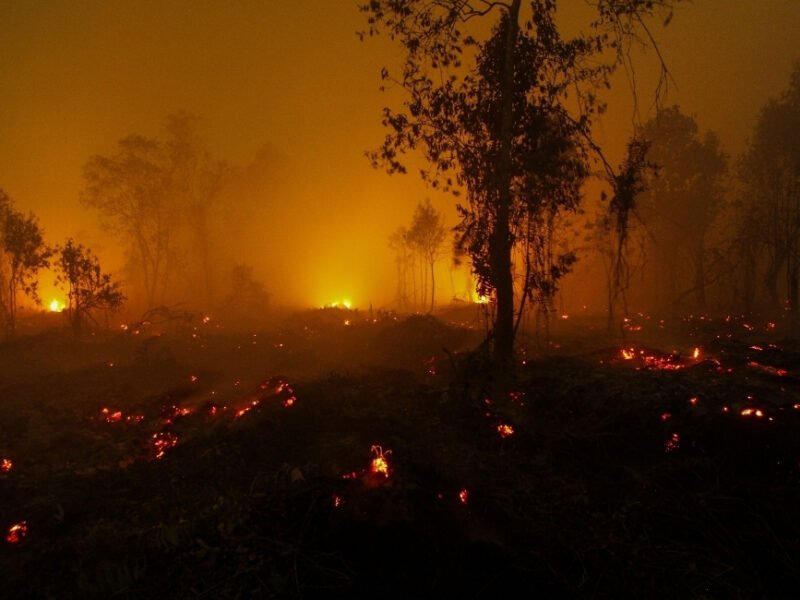
From the Himalayas in the north to the Nilgiris in the south, and the Sahyadris of the Western Ghats, we are carving roads through hills, boring tunnels beneath mountains, flattening slopes for construction, and expanding infrastructure into some of the world’s most ecologically sensitive regions.
We often speak about human rights.
But who speaks for nature?
A mountain cannot file a complaint. A forest cannot approach a court. A river cannot protest. They silently endure every explosion, every excavation, and every tree that falls.
Until one day, the silence breaks.
It may come as a landslide.
A tunnel collapse.
A washed-away bridge.
A flooded town.
And then we call it a “natural disaster.”
Not every disaster is caused by human activity. But many experts have warned that development without adequate environmental assessment, sound engineering, and respect for fragile ecosystems can increase risks and worsen the consequences of natural hazards.
Development is essential. Roads save lives. Connectivity creates opportunities. Infrastructure is necessary.
But development without ecological wisdom is not true progress. It risks placing today’s workers, local communities, and future generations in harm’s way.
The question is not whether we should build.
The question is where, how, and how much we should build.
Nature does not need us. We need nature.
If we continue treating mountains merely as obstacles to be blasted away, they will continue reminding us that they are the very foundations upon which our lives depend.
Perhaps the time has come to ask a different question:
How can we coexist more responsibly with nature?
When nature sends a warning, it is not seeking revenge. It is revealing the consequences of choices that fail to respect its limits.
The strongest engineering begins with respecting the limits of the landscape.
A call for thoughtful, science-based development.
National Highways Authority of India (NHAI)
National and regional policymakers