India Strengthens Regional Partnerships With Shifting US Commitment
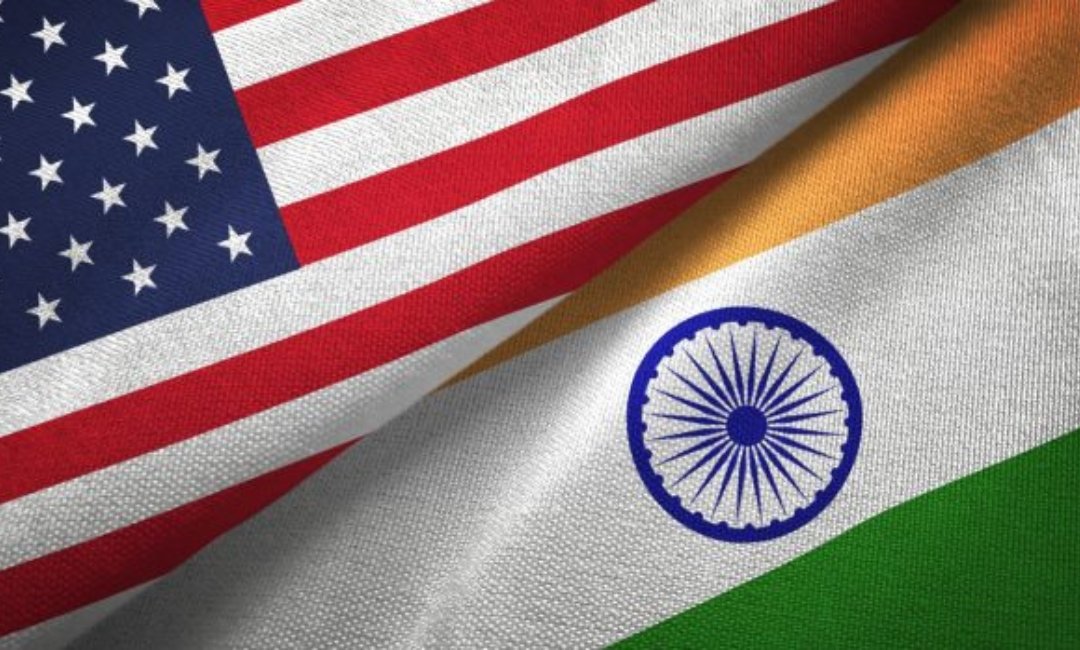
NEW DELHI-India is increasing engagement with Indo-Pacific middle powers as uncertainty is rising over the future of US security commitments in Asia. According to analysts, India is developing partnerships that enable countries with different strategic interests to cooperate without joining a formal alliance.
Prime Minister Narendra Modi visited Indonesia, Australia and New Zealand from July 6-11, during which India signed several agreements to strengthen defense, maritime security and trade ties.
The visit followed Japanese Prime Minister Sanae Takaichi’s July 1-3 visit to India, her first after assuming office. During the visit, Takaichi and Modi signed several agreements, including the two countries’ first joint defense co-development project.
According to the South China Morning Post, Srinivasan Balakrishnan, Director of Strategic Engagements and Partnerships at the Delhi-based security think tank Indic Researchers Forum, said India’s approach reflects a preference for flexible partnerships over Cold War-style alliance structures.
“This is not Cold War-style containment but a practical, multi-aligned network that fills the vacuum left by fluctuating US commitments,” the South China Morning Post quoted Balakrishnan as saying. He added that India could use its credibility as a “non-hegemonic power” to become a net security provider in the Indo-Pacific.
During Modi’s state visit to Indonesia, India and Indonesia signed 20 agreements and outcome documents to strengthen cooperation in defense, maritime connectivity, critical minerals, digital public infrastructure and trade.
As part of the defense cooperation, Indonesia agreed to expand its inventory of Indian-made BrahMos supersonic cruise missiles by acquiring additional missile batteries. The two countries also finalized an agreement for the joint development of the strategically important Sabang Port.
In Australia, Modi and Australian Prime Minister Anthony Albanese finalized an administrative arrangement enabling long-term exports of Australian uranium to India for peaceful purposes. The two leaders also reaffirmed their shared commitment to a free, open and rules-based Indo-Pacific.
Modi concluded the tour in New Zealand, where he and Prime Minister Christopher Luxon finalized a bilateral free trade pact.
Balakrishnan said these agreements “clearly signal a proactive new playbook”, with Modi’s visit aimed at advancing concrete outcomes.
Earlier in May, India and Vietnam elevated ties to an Enhanced Comprehensive Strategic Partnership during Vietnamese President to Lam’s state visit to New Delhi. Balakrishnan said the move reflected the two countries’ shared Indo-Pacific security concerns and growing economic integration.
He also said India was strengthening ties with Singapore, Malaysia and Thailand through joint defense exercises and expanded maritime security cooperation.
According to the South China Morning Post, India’s outreach comes amid concerns over the US commitment to security in the Indo-Pacific, stemming from recent political rhetoric and trade frictions with Washington. The report also cited concerns among some Indian observers over the reported renaming of the US Indo-Pacific Command to the US Pacific Command, saying it could downplay India’s role in the region. (IANS)