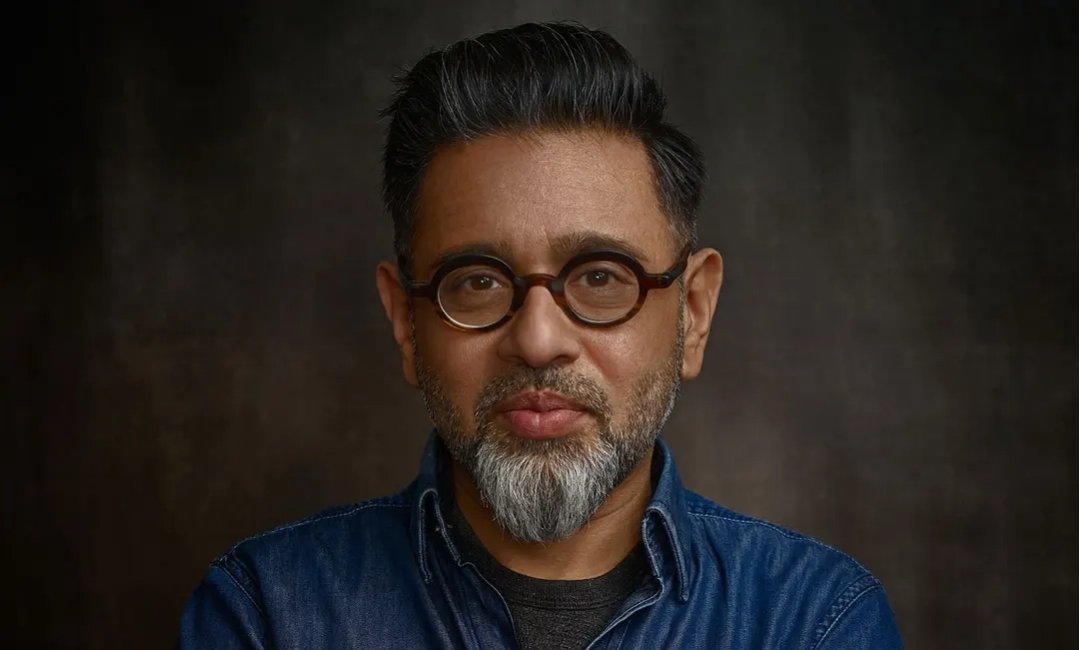
Saket Soni Named TIME Trailblazer For Championing US Disaster Workersm
Photo: Time
India-West News Desk
NEW ORLEANS, LA – Saket Soni, founder and executive director of Resilience Force, has been named to TIME’s inaugural Trailblazers list, recognizing leaders around the world working to shape the future.
For Soni, that work has centered on the often overlooked workforce responsible for rebuilding communities after natural disasters.
His path to disaster recovery work began in 2005, when Hurricane Katrina devastated Louisiana. At the time, Soni was a community organizer in Chicago working with renters, many of them Black residents from the South. Watching Katrina unfold through their experiences, he moved to Louisiana to work with the crews involved in the cleanup and recovery.
The experience also led to a conversation with his mentor, historian Vincent Harding, who told him that the country was still being built and that he was part of that process.
“That’s a place that’s still being built, and you’re part of building it,” Harding told him, according to Soni.
That idea has continued to shape Soni’s work.
In 2017, he co-founded Resilience Force, a nonprofit focused on protecting workers who clean up and rebuild communities following disasters. The workforce often includes undocumented immigrants and is estimated to number in the hundreds of thousands, according to TIME.
Soni argues that the availability of workers is as important to disaster recovery as funding.
“Even if the money comes, if the workers aren’t there to repair, then people won’t be coming home,” he said.
Resilience Force advocates for workers on issues including pay, legal rights and safety, while also working with third-party contractors on workplace standards.
The organization operates a certification program that trains workers in technical and safety skills for disaster-recovery jobs, including roof repair, and helps connect trained workers with employment. Its model has been used in states including Louisiana and Colorado.
The nonprofit’s work has taken on added importance as extreme weather events have become more frequent and severe and as staffing and budget cuts at the Federal Emergency Management Agency have complicated disaster recovery in some communities.
Soni also views disaster recovery as a way to bridge some of the divisions surrounding immigration in the United States.
He recalled helping a conservative Florida family whose home was damaged by Hurricane Michael. The family had lost electricity and sustained roof damage, while a sign outside the property warned that strangers would be shot.
Soni arrived with a Resilience Force crew that included immigrant workers and helped rebuild the home. The family eventually removed the sign.
For Soni, the experience underscored the connections that can emerge when people work together after a disaster, regardless of their political or immigration differences.
“Everybody’s focused on how polarized the country is,” he said. “I see the opposite.”