VHPA Objects To Portrayal Of Ramayana In New Film, Wants Indian Govt. To Stop Its Screenings
India-West News Desk
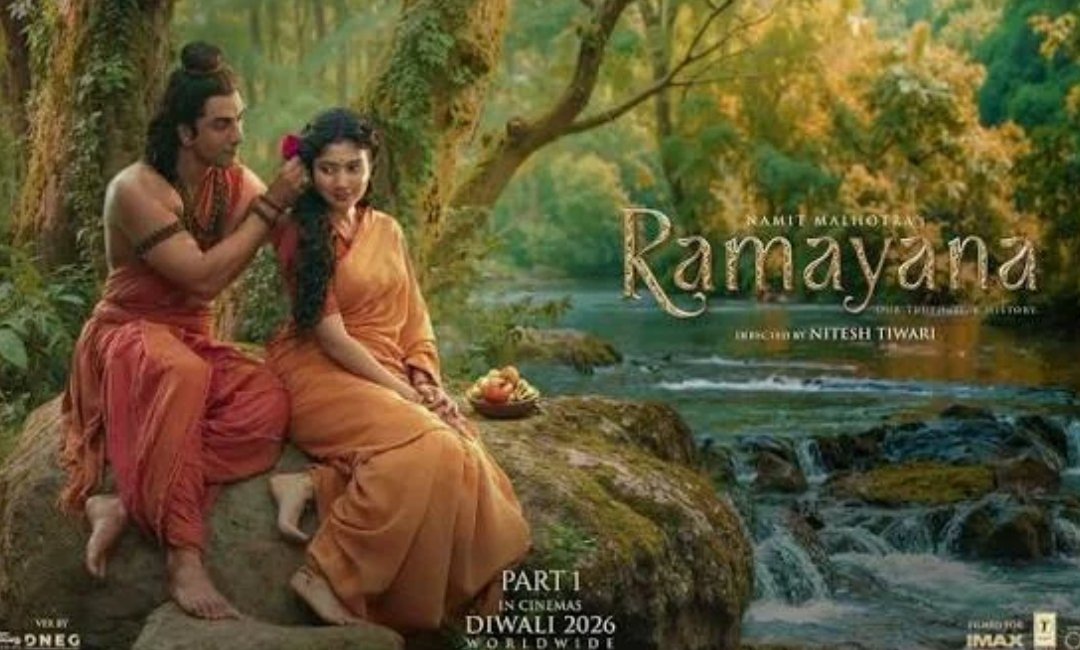
WASHINGTON, DC – The Vishwa Hindu Parishad of America (VHPA) has objected to what it describes as distortions of the Hindu epic Ramayana in the recently released film ‘Ramayana: Rise of a Legend’, calling for the suspension of screenings in India, an independent examination of the film and a review of its certification.
VHPA said the concerns were particularly significant for Hindu families in the diaspora, where children often depend on their families and community institutions for exposure to Hindu traditions. The organization, established in 1970, said its educational programs, including Bal Vihars and youth camps, have worked for more than five decades to transmit Hindu values and traditions to successive generations of Hindu Americans.
In a statement issued November 23, the organization said the portrayals of Lord Rama, Sita, Lakshmana and other revered figures had hurt Hindu religious sentiments. It urged the Government of India, the Ministry of Information and Broadcasting and the Central Board of Film Certification (CBFC) to intervene.
VHPA said its objections were not simply about artistic interpretation, but about what it considers a fundamental alteration of the epic’s moral and philosophical teachings. While acknowledging artistic freedom and the diversity of Ramayana traditions, it argued that creative liberties should not denigrate revered figures or distort the central teachings of the sacred text.
The organization outlined seven areas of concern:
Portrayal of Shri Ram: VHPA objected to reported scenes showing Ram losing his composure and addressing Parashurama disrespectfully. It also questioned depictions of Ram and Lakshmana retreating from adversaries during encounters involving Tataka, Khara and Dushana, saying these portrayals diminished their traditional characterization as courageous warriors.
Ravana’s characterization: The organization took particular issue with what it described as an attempt to rehabilitate Ravana’s moral standing. The film reportedly depicts him as a benevolent ruler who helps disadvantaged communities and protects women. VHPA also questioned the portrayal of Ravana performing the Ashwamedha Yajna, saying it lacked an identifiable basis in the Valmiki Ramayana, and objected to presenting his devotion to Lord Shiva without the traditional spiritual context.
VHPA said the film reduces Ram’s mission to uphold Dharma and protect society to a personal struggle driven by revenge. It also objected to the portrayal of the Shurpanakha episode, saying the film omits her reported attempt to attack Sita and instead depicts her as a woman making a marriage proposal before being mutilated.
The organization said Lakshmana is portrayed as arrogant, sarcastic and disrespectful, overshadowing his traditional qualities of loyalty and self-sacrifice. It also questioned scenes showing Sita engaging in physical combat while diminishing her resistance during her abduction and captivity.
VHPA further criticized the omission of episodes such as Ahalya Uddhar, Ram’s friendship with Nishadraj Guha and the Kevat Prasang, which it said highlight his compassion, humility and respect for people across social backgrounds.
Beyond the film’s content, VHPA questioned how the film had received CBFC certification, asking whether qualified Ramayana scholars, Sanskrit scholars and Hindu religious leaders had been consulted.
The organization called for an independent committee of scholars and religious representatives to examine the disputed scenes, require filmmakers to disclose their scriptural sources and review the certification process. It also sought scrutiny of the proposed second installment and institutional safeguards for future commercial adaptations of sacred religious narratives.