U.S. Proposes 17% Tariff On Indian Goods Under New Trade Framework
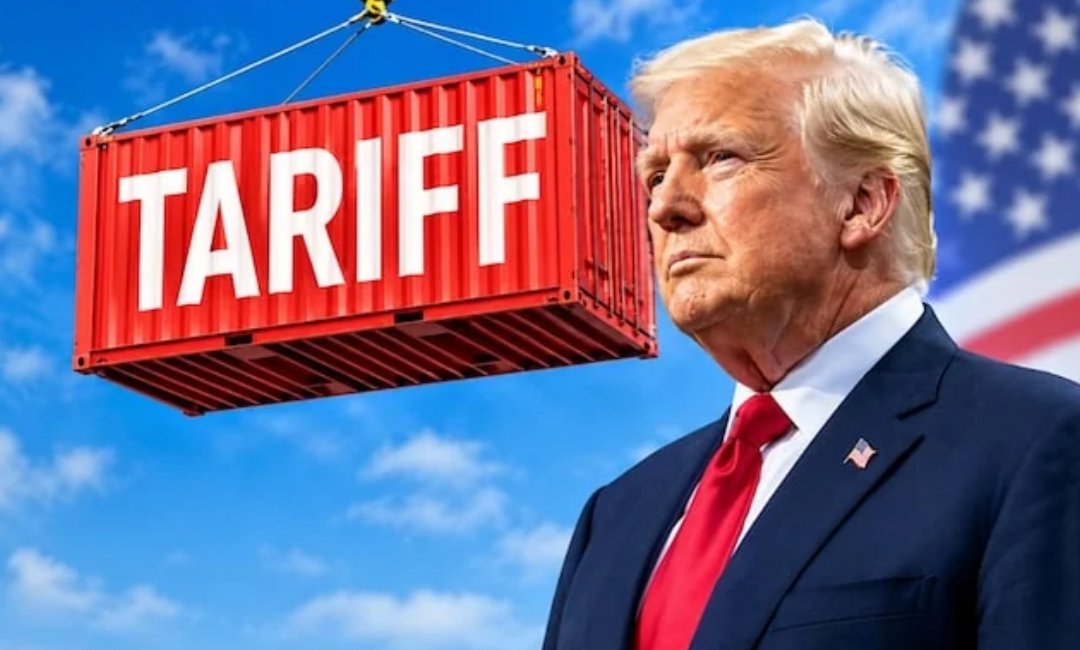
NEW DELHI- The United States has proposed a 17 per cent tariff on Indian goods under a new trade framework unveiled by President Donald Trump’s administration, placing India among 14 economies targeted in Washington’s latest effort to address what it describes as excess manufacturing capacity and production among major trading partners.
According to the tariff list released by the Office of the U.S. Trade Representative (USTR), duties on Indian exports could reach 25 per cent but would be reduced to 17 per cent if New Delhi reaches a trade agreement with the Trump administration.
The proposal is part of a broader package covering several economies, including China, the European Union, Japan, South Korea, Vietnam and Bangladesh.
The USTR launched an investigation in March to examine whether foreign governments were maintaining manufacturing capacity and production levels beyond actual market demand, contributing to oversupply and distortions in global trade.
U.S. officials argue that such practices depress prices and undermine American manufacturing industries. A senior U.S. official said the investigation examined whether trading partners were pursuing policies considered unreasonable or discriminatory and whether those practices were harming American commerce.
The probe covers several sectors, including batteries, cement, chemicals and processed food. Washington contends that excess production can flood international markets, put downward pressure on prices and make it harder for U.S. manufacturers to compete.
The proposed tariffs are not expected to take effect immediately. The administration has opened the measures to public consultation, allowing businesses and other stakeholders to submit comments before a final decision.
A senior U.S. official indicated that January would be the earliest possible timeline for implementation.
The proposal comes months after the U.S. Supreme Court struck down Trump’s earlier global tariffs, ruling that the president lacked authority under the law invoked by his administration to impose them. However, sector-specific duties on products such as automobiles and steel remain in place. (IANS)