States Sue Over Trump Rule Affecting Housing Assistance For Immigrant Families
WASHINGTON, DC – -A coalition of US states has sued the Trump administration over a housing rule that could strip rental assistance from families whose members include US citizens and immigrants ineligible for federal aid.
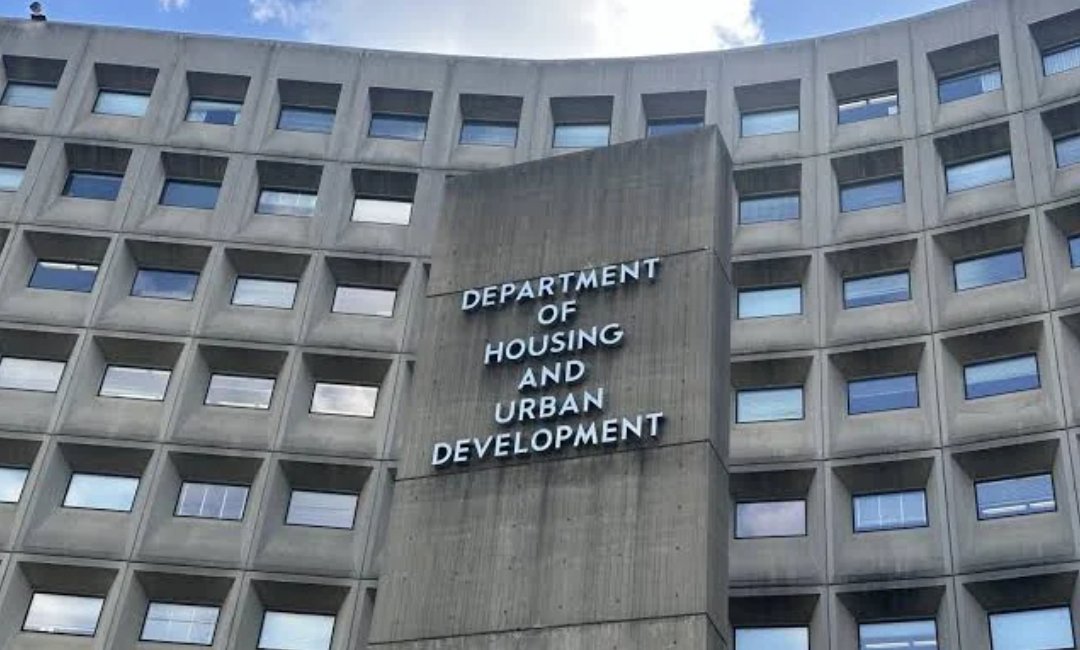
The lawsuit, filed November 23 in federal court in Massachusetts, challenges a Department of Housing and Urban Development (HUD) policy affecting public housing, rental vouchers and other subsidized housing programs.
California, New York and Massachusetts are leading the challenge, joined by other states, the District of Columbia and Pennsylvania Gov. Josh Shapiro. The states are asking the court to overturn the rule and block its enforcement.
The dispute concerns “mixed-status” households — families in which some members qualify for federal housing assistance while others are ineligible because of their immigration status.
Under the longstanding system, the government reduces a family’s subsidy to cover only eligible members, allowing an ineligible relative to live with the family without receiving a share of the assistance.
The new rule would end that arrangement as a permanent option, potentially leaving eligible US citizens and immigrants without housing assistance because they share a home with an ineligible relative.
“Families should not have to choose between remaining together and keeping a roof over their heads,” California Attorney General Rob Bonta said.
His office estimated that more than 7,000 mixed-status households in California could be affected, including families with US citizen children.
HUD published the final rule on November 12, with an effective date of December 14. It requires verification of citizenship or eligible immigration status for all applicants and recipients in covered programs, regardless of age.
The department says the changes enforce federal eligibility requirements and direct limited housing resources toward households whose members all qualify.
HUD estimates that the policy could redirect between $167 million and $218 million in annual rental assistance to fully eligible households awaiting help. It describes the move as a transfer of assistance rather than a government saving.
The rule preserves temporary assistance while eligibility is checked and allows qualifying families discretionary delays in ending assistance, potentially lasting up to 18 months.
The states argue that HUD’s interpretation of federal law is unlawful. Their complaint contends that Congress expressly protected reduced assistance for mixed-status families and that the department cannot remove those protections through a regulation.
They also argue that HUD failed to adequately consider the potential displacement of families, administrative burdens and costs that state and local governments could face if households lose their homes.
A separate coalition of cities, counties and housing agencies is also challenging the policy. New York City announced Nov. 23 that it had joined that lawsuit, led by San Francisco.
The city said the rule could affect eligible residents living with an ineligible family member, including US citizens and lawful permanent residents. It also warned that the changes would increase verification work for agencies administering rental assistance. (IANS)