Raja In CA Visit Tells Community The Senate Must Look Like America
India-West Staff Reporter
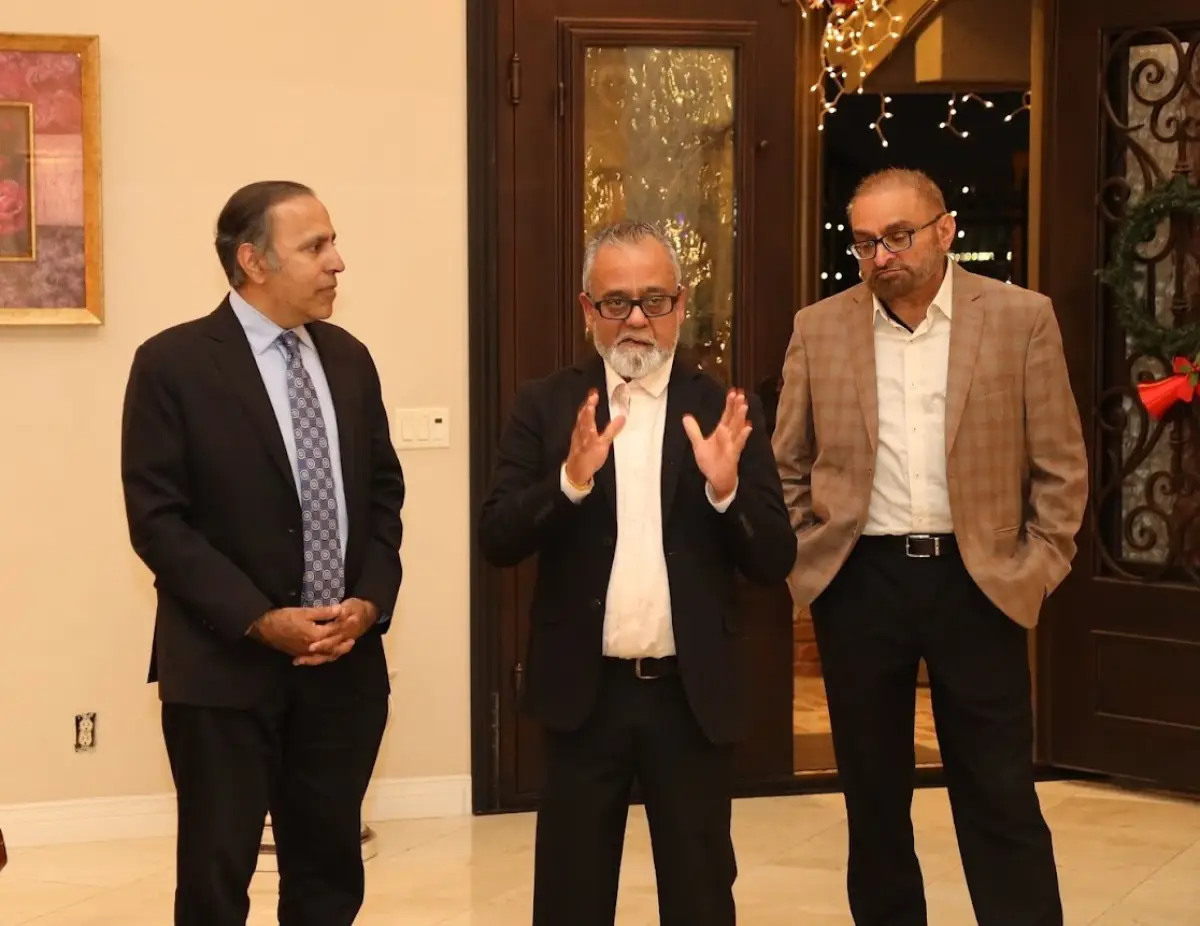
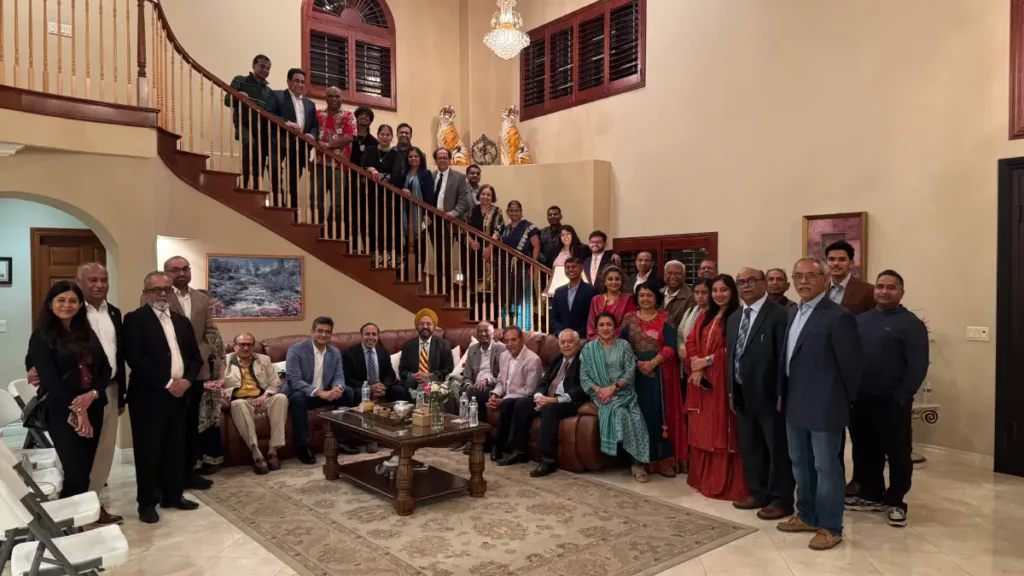
BUENA PARK, CA – Rep. Raja Krishnamoorthi (D-IL), who,according to the latest Change Research poll conducted in the first week of December, holds a commanding 28 point lead in the Illinois Democratic primary for US Senate, made a brief but pointed stop in Southern California on December 6 to meet with a small gathering of Indian Americans.
Though no one present was an Illinois voter, attendees said they were deeply invested in the possibility of seeing the first Indian American elected to the U.S. Senate.
Krishnamoorthi opened the evening with the story he often cites as the foundation of his public life. Born in New Delhi and brought to the United States as a baby, he described how his family relied on public housing and food stamps after his father lost his job during the recession of the 1970s before rebuilding their lives in Peoria. His father’s nightly reminder, he said, became his guiding star.
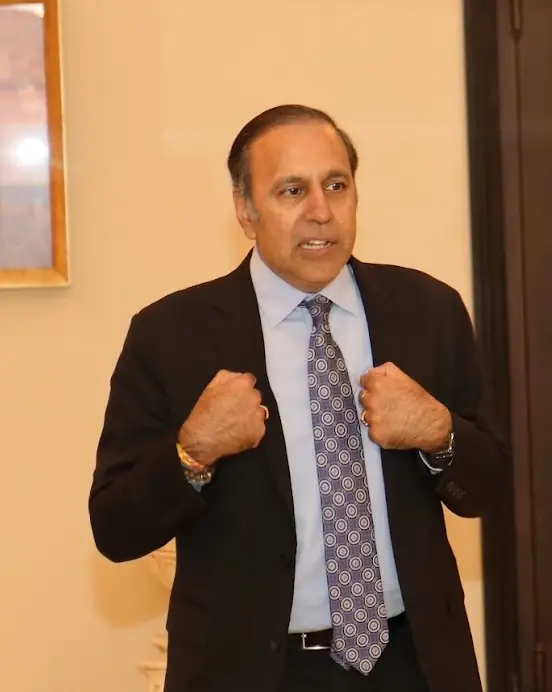
“Think of the greatness of what this country represents,” he recalled his father telling him and his brother, “and whatever you do, make sure this country is there for the next families.” That ethos, he said, remains at the heart of his campaign to succeed Senator Dick Durbin.
He noted that the absence of Indian Americans in the U.S. Senate is “not just a symbolic gap but a missed opportunity for broader representation.” With the nation approaching its 250th anniversary, he said, a more inclusive Senate would be “a milestone worthy of the moment.”
Throughout the conversation, Krishnamoorthi drew on his reputation for warmth and unusually sharp name recall. Audience questions focused largely on issues central to the Indian American community: civic participation and rising anti-Hindu sentiment.
Reflecting on the growing footprint of Indian Americans in public life, he described the moment as “a remarkable historical shift” for a community whose ancestors fought colonial rule and now help shape policy in the world’s oldest modern democracy.
Questions about attacks and hostility toward Hindus and South Asians prompted a firm response. Krishnamoorthi said he has worked closely with the Justice Department following vandalism and harassment cases and welcomed the department’s new outreach unit focused on Hindu communities. He condemned rising Hinduphobia, noting, “It is a real thing,” adding that he too has been targeted. He described these attacks as part of a broader rise in extremism.
Addressing concerns about California’s religious legislation, he said he had engaged directly with Governor Gavin Newsom, whom he credited with ultimately “doing the right thing.”
The discussion broadened to the economy, which Krishnamoorthi described as failing most Americans even as a small segment gains from technological change and globalization. “For the majority of Americans, the economy is not working for you,” he said, listing everyday pressures from groceries to childcare to retirement.
He emphasized bipartisan efforts to strengthen vocational and technical education, noting that “62 percent of Americans do not have a four-year college degree” and arguing that practical training is essential to creating opportunity. His work on the House China Competition Committee, he said, is driven by the same bipartisan purpose.
When asked about how long he intended to staying in the Senate, Krishnamoorthi with a laugh responded, “Okay, so I didn’t even get there yet man!” before saying he “does not believe in overstaying in office” and welcomed discussion of term limits and other structural reforms.
A recurring theme shaped his remarks: economic insecurity can tear at the social fabric, and leaders must reinforce unity rather than division. “When people are desperate,” he said, “some politicians tell them the reason you are suffering is because of that brown guy over there. We have to feed the good wolf in the person not the bad.”
The evening was organized by the United States India Relationship Council, a federally registered bipartisan political action committee. Co-founder Dr. Jashvant Patel told attendees that political engagement is essential to safeguarding the community’s traditions and security, a point echoed by co-founder Dr. Amit Desai who warned that harmful narratives targeting the community are growing despite its contributions to American society.
The event concluded with a shared message from the organizers and the congressman: as the community’s numbers and influence expand, so must its commitment to participation, solidarity and the health of the democracy it now helps shape.