Fed’s Powell Says Immigration Slowdown Behind Weak US Job Growth
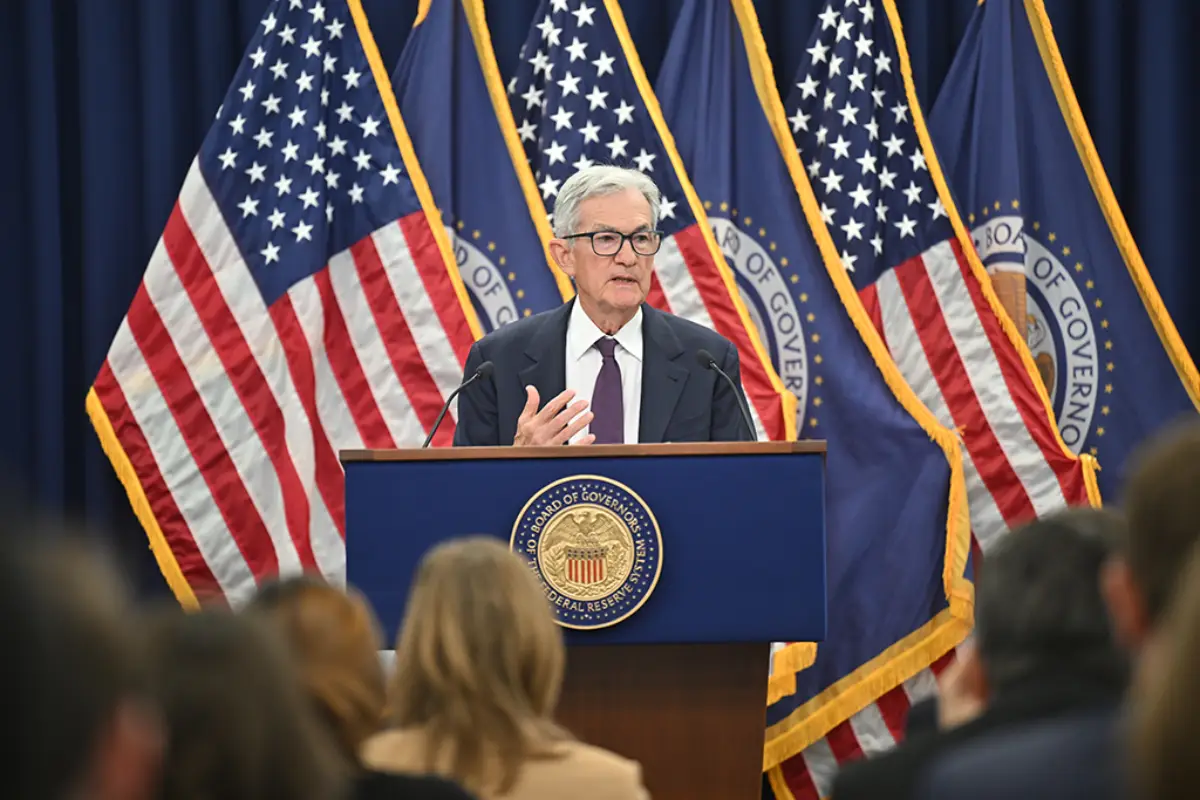
WASHINGTON, DC-US Federal Reserve Chair Jerome Powell said job growth has slowed in part because of a sharp decline in labor supply driven by lower immigration.
Powell on January 28 said labor market conditions “may be stabilizing after a period of gradual softening.” He said the unemployment rate was 4.4 per cent in December and has “changed little in recent months.”
But job growth has been weak. “Total nonfarm payrolls declined at an average pace of 22,000 per month over the last three months,” Powell said. Excluding government jobs, private payrolls rose by an average of 29,000 per month.
Powell said the slowdown reflects changes on both sides of the labor market. “A good part of the slowing in the pace of job growth over the past year reflects a decline in the growth of the labor force due to lower immigration and labor force participation,” he said.
He added that “labor demand has clearly softened as well.”
Powell said other indicators show little recent change, citing job openings, layoffs, hiring, and wage growth. He said these measures suggest conditions may be stabilizing, though he cautioned against reading too much into the data.
“There are also some signs of continued cooling,” Powell said. He said the Fed removed language from its statement that previously warned about rising downside risks to employment.
Powell said data distortions from the federal government shutdown are easing, adding that the impact was smaller in December than in November.
He said the outlook for economic growth has improved since the last Fed meeting, noting that stronger growth should matter for labor demand over time.
Powell described the situation as unusual, saying labor supply and labor demand have both slowed sharply, making the job market harder to interpret.
“If demand and supply are in balance,” he said, “you could say that’s full employment.” However, he said it raises difficult questions about what maximum employment looks like.
The US labor market surged after the pandemic as immigration and participation rebounded. Recent policy and administrative changes have slowed immigration flows.
Labor supply changes can affect job growth, wage pressures, and inflation, making them a key factor in Federal Reserve policy decisions. (IANS)