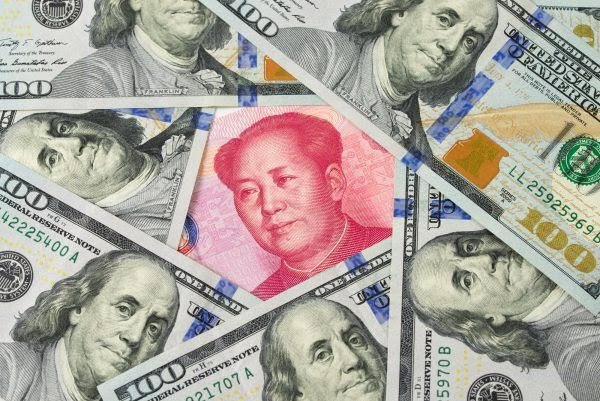
China’s De-Dollarization Push Faces Dollar Reality
NEW DELHI-China cannot break away from the US dollar despite promoting the renminbi as an alternative for international trade and debt settlements because its export-driven economy remains deeply dependent on dollar-based markets and financial infrastructure, according to an article published in The Globalist online magazine.
“China’s export-driven economy is built on access to dollar markets, dollar denominated demand and a global payments and settlement infrastructure that is still overwhelmingly US-centric. For China, a sudden or radical break from the US dollar would not be an act of liberation. It would be an act of self-harm,” the article states.
It argues that the US dollar continues to serve as the backbone of global finance through full currency convertibility, deep and liquid financial markets, credible legal protections for investors, and globally trusted payment systems. China, it says, does not offer these advantages at the required scale.
The article notes that the renminbi remains tightly managed and only partially convertible, while capital controls continue to play a central role in how the Chinese government manages the domestic economy and shields politically important sectors.
“Simply put, a genuinely global reserve currency cannot be locked inside such a cage. Countries that invoice in that currency, hold it as a reserve or invest in assets denominated in it must be free to move in and out without asking permission from the issuing state. Beijing does not trust the world – or its own citizens – enough to allow that,” it observes.
The article further says the dollar’s global dominance is reinforced by the size, sophistication and liquidity of US capital markets, where foreign central banks, sovereign wealth funds and private investors can invest in US Treasury securities and other dollar-denominated assets with confidence that they can liquidate their holdings when needed.
It concludes that the real challenge for any rival to the US dollar is not whether some international trade is settled in another currency, but whether global investors can freely accumulate and exit large positions in that currency without concerns over political or financial restrictions. (IANS)