Engagement Without Political Endorsement: India Walks Tightrope With Taliban
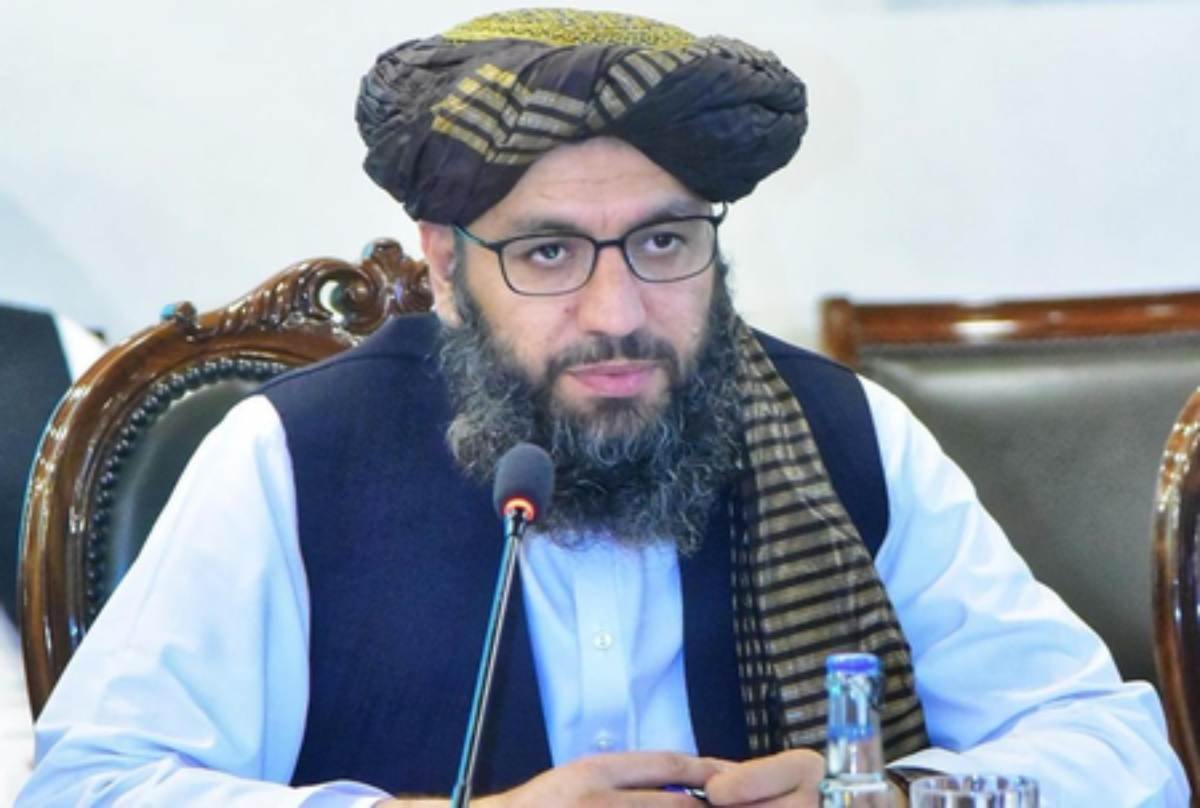
NEW DELHI -Taliban leader Mufti Noor Ahmad Noor’s arrival in New Delhi to take over as Charge d’Affaires at the Afghan Embassy has been drawing criticism.
In India, Kabul’s representative is necessary for the thousands of Afghan refugees in India who need consular access for passport validation, in turn facilitating visa processing and their stay. They also need clearance from the Embassy and the United Nations High Commissioner for Refugees (UNHCR) to validate refugee status and initiate bank operations. According to Faisal Payenda, Chairman of Afghan Refugee Community in India, Delhi alone hosts an estimated 15,000 Afghan refugees.
However, India’s quiet acceptance of a Taliban representative in Delhi might signal pragmatic engagement, not recognition of the government in Kabul: This complicates Beijing and Islamabad’s joint efforts to draw Afghanistan fully into the China-Pakistan Economic Corridor (CPEC), a part of China’s ambitious Belt and Road Initiative (BRI).
Till now, only Russia has formally recognized the Taliban government.
China intends to use economic incentives to keep Kabul aligned with it. New Delhi has offset the outreach, with Beijing having a similar diplomatic arrangement, stopping short of recognition.
Beijing insists on Taliban guarantees against Uyghur militants and broader anti-terrorism cooperation. Yet, through deepening its ties, China has still not formally recognized the Taliban government, preferring a cautious “engagement without endorsement” approach.
Allowing Mufti Noor Ahmad to take charge at the Afghan Embassy in New Delhi is a functional arrangement, where India maintains that it does not diplomatically recognize the Taliban regime.
New Delhi permits representation for consular and community services and has long been among the suppliers of aid and humanitarian relief.
The Taliban’s presence in Delhi shows they are seeking legitimacy beyond Islamabad and Beijing, where rising tensions with Pakistan have led to the closure of the Afghan border, hampering trade and human traffic.
The present cautious engagement creates a counterbalance, where the representative provides consular services without forcing India to take a political stand on recognition.
In the Taliban’s search for legitimacy, they will likely continue to balance their relations between regional powers like India, China, and Russia before committing fully to any bloc. (IANS)