India Cites 1943 Bengal Famine To Warn Of Ukraine War’s Food Impact
NEW YORK, NY- India on Nov. 23 invoked the 1943 Bengal famine at the United Nations Security Council to warn that disruptions to food supplies caused by the Russia-Ukraine conflict could have devastating consequences for vulnerable populations, particularly in the Global South.
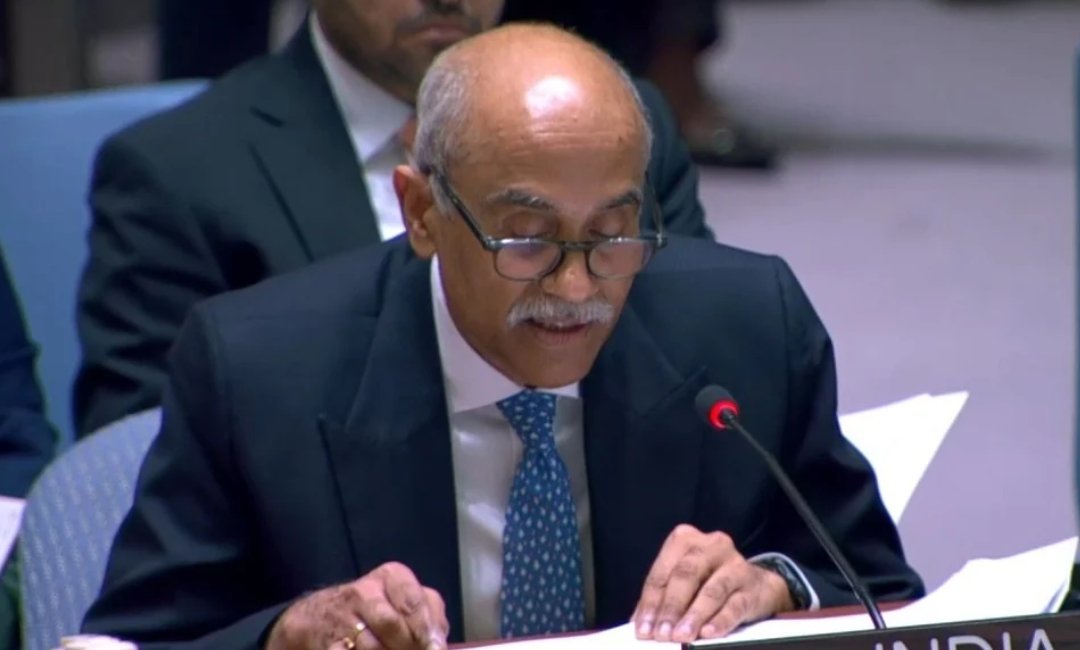
India’s Permanent Representative to the UN, P Harish, was speaking during a Security Council discussion on “Protecting Critical Energy Infrastructure and Black Sea Lifelines of Global Food Supply”, where he highlighted the humanitarian consequences of disruptions to grain exports and the need to protect critical infrastructure and shipping routes.
“The pain and suffering caused by the devastating Bengal famine of 1943 in India that killed over three million people in India, is a stark reminder of the terrible human cost of a distant conflict caused by unchecked wartime priorities and calculations,” Harish said.
He said the current situation was a reminder of how populations that have no responsibility for the outbreak of a conflict can bear its consequences.
“This current situation is not different from the time of the Second World War, when peoples not responsible for the start of the conflict became their unintended collateral damage,” he said.
Harish also recalled Prime Minister Narendra Modi’s message that “this is not an era of war”, stressing that the consequences of conflict extend well beyond the countries directly involved.
“For the Global South, peace is not in the abstract. It is achieved when hungry mouths are fed,” he said.
He warned that disruptions to food supplies, energy infrastructure and maritime routes could worsen economic and humanitarian challenges in developing countries, which are particularly vulnerable to rising prices and shortages.
The Black Sea region and India together account for nearly one-fifth of global cereal production, making disruptions in the region significant for global food security, Harish said.
He urged the international community to ensure humanitarian access, protect civilian infrastructure and uphold freedom of navigation, stressing that food and essential supplies must not become casualties of conflict.
He highlighted the growing risks in countries already facing severe food insecurity, including Somalia, which is at risk of famine, and Yemen, which imports about 90 per cent of its food.
India stressed that protecting critical infrastructure and ensuring uninterrupted movement of food and other essential commodities were vital to preventing conflicts from deepening humanitarian crises, particularly in countries already struggling with hunger and economic distress. (IANS)