India Navigates Diplomatic Neutrality And Increasing Oil Prices After Iran Bombing
NEW DELHI – The escalating conflict in the Middle East has placed India’s economy and its long-standing foreign policy of neutrality under a severe stress test, according to analysts in various media reports.
Economically, the country faces a double blow: a soaring energy import bill as Brent crude surges toward $80 per barrel and a logistical crisis that has turned the region’s airspaces and maritime corridors into a warzone.
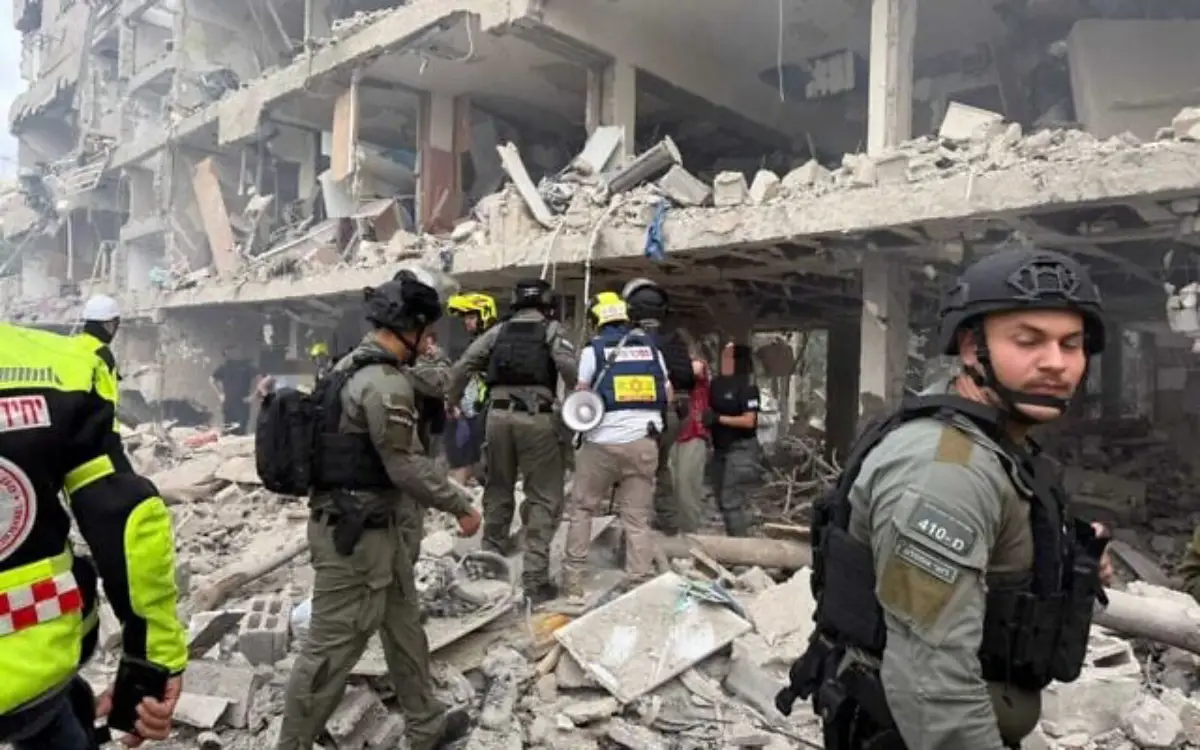
Diplomatically, the killing of Iran’s supreme leader by US-Israeli strikes has fractured the regional balance, forcing New Delhi to navigate the competing interests of Israel, its top defense partner, and Iran, a key gateway to Central Asia.
This volatility threatens to widen India’s current account deficit by 50 basis points for every $10 rise in oil prices, while simultaneously endangering the safety and remittances of 9 million Indian nationals living in the Gulf.
According to a CNBC report, India’s heavy reliance on the Strait of Hormuz for 50% of its crude oil imports has left the nation particularly vulnerable as traffic through the waterway has ground to a halt. While a recent interim trade deal with the United States removed a 25% punitive tariff on Indian exports, Washington has warned that these penalties will return if India resumes buying Russian oil.
This leaves India in a precarious position, as Middle Eastern supply disruptions coincide with a 600,000 barrel-per-day drop in its Russian intake. In response to this energy squeeze, India has secured a $2.6 billion uranium deal to fuel its civil nuclear program, providing a much-needed alternative to the volatile fossil fuel markets.
The logistical impact is equally severe for India’s private sector. CNBC reports that airspace closures over Iran and the UAE have forced major carriers like Air India and IndiGo to cancel flights to the Gulf and reroute European journeys, significantly increasing fuel costs. Shares of IndiGo tumbled 5% on March 2 as aviation experts warned that the “warzone” status of the Middle East corridor will heavily compress airline margins.
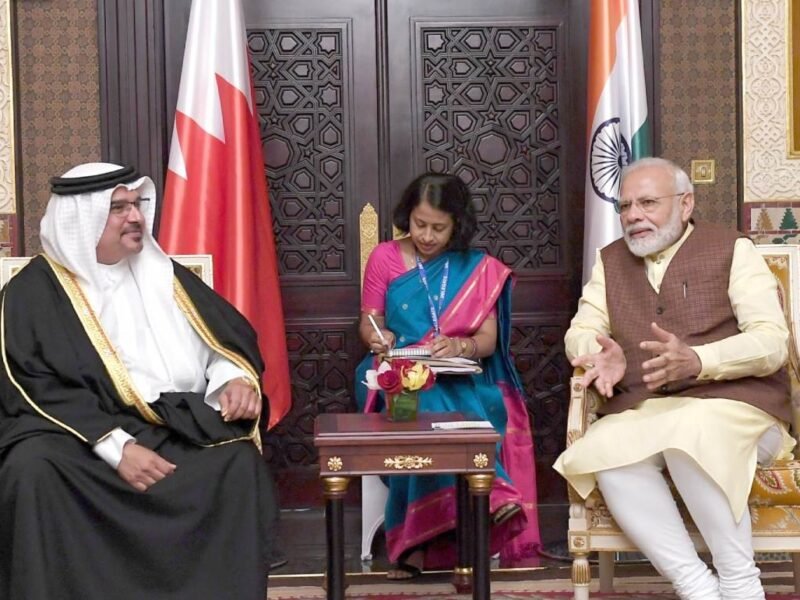
On the diplomatic front, Prime Minister Narendra Modi has reached out to Israeli Prime Minister Benjamin Netanyahu to stress the need for a cessation of hostilities, as India accounts for 34% of Israeli arms exports. However, the same conflict endangers India’s $110 billion trade relationship with the UAE and its strategic investment in Iran’s Chabahar Port.