US Bill Revives Green Card Pathway For H-1B Visa Holders
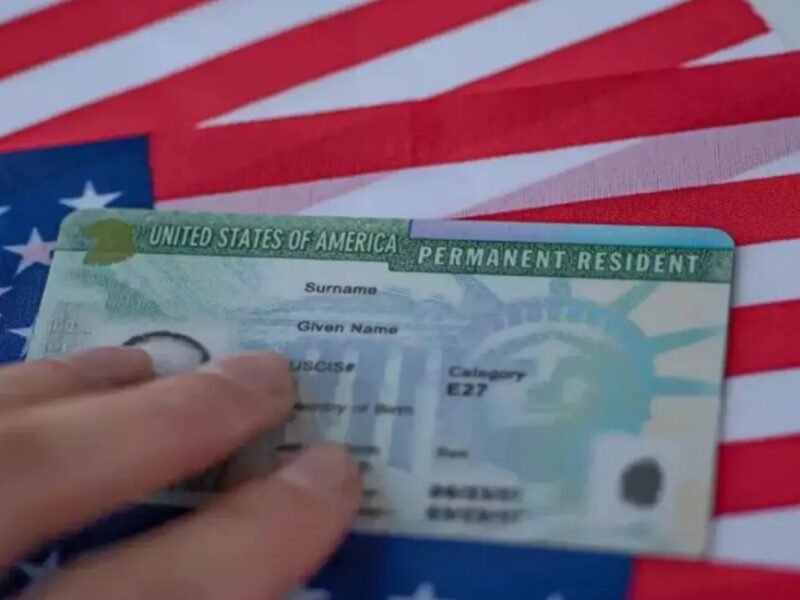
WASHINGTON, DC – A senior Democratic senator has renewed an effort to provide millions of long-term US residents, including H-1B visa holders, a pathway to permanent residency as President Donald Trump intensifies immigration enforcement.
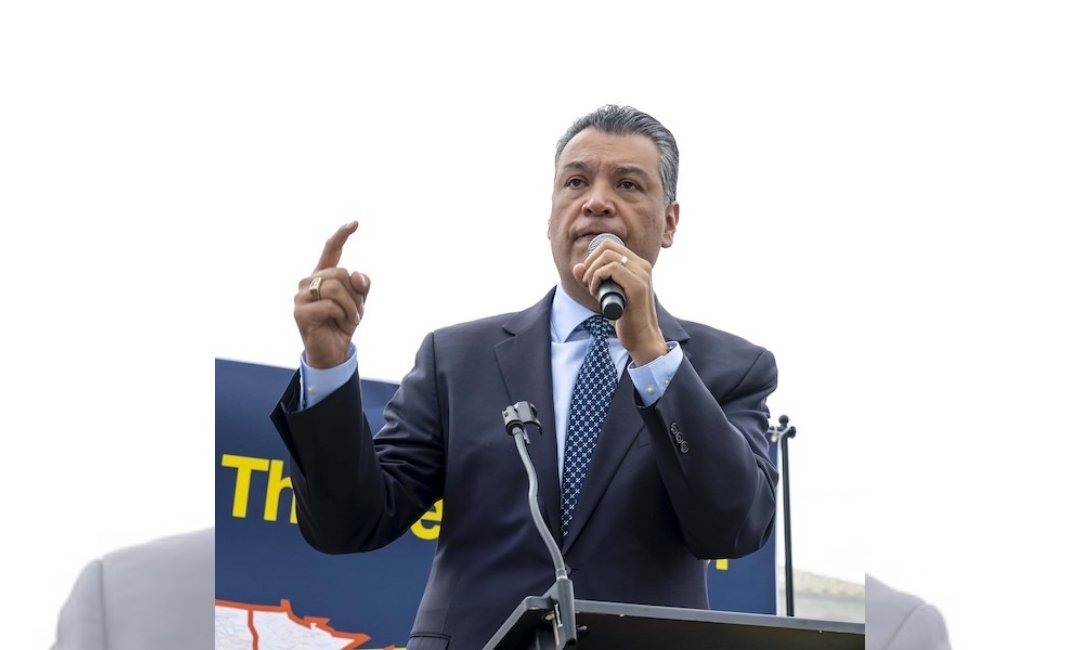
Senator Alex Padilla of California said his proposal would modernize an immigration provision that has remained unchanged since 1986. According to his office, the legislation could benefit more than eight million people.
The Renewing Immigration Provisions of the Immigration Act of 1929 would allow immigrants to apply for lawful permanent resident status if they have lived continuously in the United States for at least seven years before filing an application.
Applicants would also be required to have no criminal record and meet all existing green card eligibility requirements.
The measure would apply to Dreamers, Temporary Protected Status holders, essential workers and children of long-term visa holders. It could also benefit highly skilled workers, including H-1B visa holders who have spent years waiting for employment-based green cards.
The proposal could be especially significant for Indian professionals, who make up a large share of H-1B visa holders and often face decades-long waits for permanent residency because of employment-based green card caps.
“A year ago, I introduced this bill to push back against the Trump Administration’s cruel treatment of hardworking immigrants,” Padilla said. “Since then, President Trump’s campaign of fear has only escalated, with families living under constant uncertainty despite having built their lives in this country.
“Congress cannot continue to ignore millions of long-term residents who contribute to our economy and communities every day. It’s past time to modernize our immigration laws and create a fair pathway to lawful permanent residency.”
The bill would amend Section 249 of the Immigration and Nationality Act, known as the Registry. The provision gives the Homeland Security secretary discretion to grant permanent residency to certain people who have lived in the United States since a specified date and meet other eligibility requirements.
The current eligibility cutoff is Jan. 1, 1972. Padilla’s legislation would replace that fixed date with a rolling seven-year residency requirement, with the change taking effect 60 days after enactment.
Senate Democratic Whip Dick Durbin is co-leading the measure, with 14 other senators joining as co-sponsors. Representative Zoe Lofgren of California has introduced companion legislation in the House.
More than 30 labor, immigration and civil rights organizations have endorsed the bill, including the AFL-CIO, Service Employees International Union, UNITE HERE, United Farm Workers and the National Immigration Law Center.
Congress first established the Registry in 1929 and has updated it four times, most recently during the Reagan administration in 1986. According to Padilla’s office, only 305 people adjusted their status through the provision between 2015 and 2019.
The proposal faces an uncertain future in Congress amid deep partisan divisions over immigration. Padilla, the ranking Democrat on the Senate Judiciary Immigration Subcommittee, has also introduced legislation aimed at protecting immigrant essential workers and children brought legally to the United States as dependents of work visa holders. (IANS)