
India’s Signature Crops Are Finding A Global Stage
India-West News Desk
NEW DELHI – In orchards across south Gujarat and paddy fields in eastern India, farmers are watching two traditional crops step into the international spotlight. The recent presentation of Gujarat’s Kesar mangoes to UAE President Mohamed bin Zayed Al Nahyan and indigenous Indian rice varieties to Food and Agriculture Organization Director General Qu Dongyu by Prime Minister Narendra Modi has renewed attention on the growing global appeal of India’s regional produce.
For farmers, however, the story is less about diplomacy and more about the crops themselves: their history, geography, flavor, and export potential.
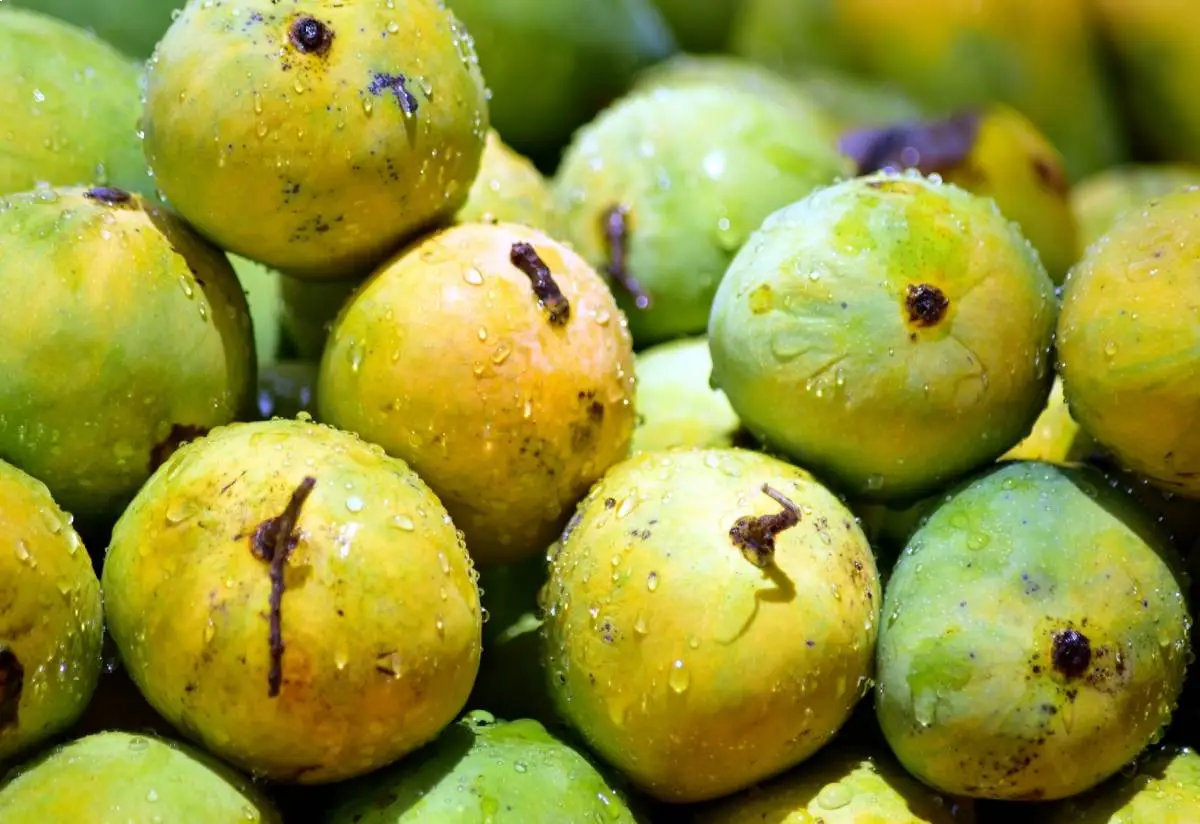
In Gujarat, Kesar mangoes have long occupied a special place among India’s celebrated fruit varieties. Known for their saffron colored pulp, sweetness, and lingering aroma, the mangoes are cultivated extensively in parts of Saurashtra and south Gujarat. While Alphonso, locally called Hapus, has traditionally dominated export conversations from districts like Valsad, growers now believe Kesar mangoes may gain wider international recognition.
Farmers say the variety’s natural shelf life and transport durability make it particularly suitable for overseas markets. Orchard owners in Valsad describe Kesar not simply as a commercial fruit, but as a seasonal marker tied to hospitality, family gatherings, and regional identity.
Orchard owner, Ramesh Patel, pointed to the variety’s sweetness and distinct flavor profile as qualities that appeal strongly to consumers abroad.
The optimism comes at a time when India is increasingly promoting geographically distinctive farm products overseas. Agricultural exporters say global consumers are showing growing interest in produce linked to specific regions, cultivation traditions, and culinary heritage.
That same trend is visible thousands of kilometers away in West Bengal’s Bardhaman district, often called the “Granary of Bengal.” There, farmers are hopeful that renewed visibility for Govindobhog rice, one of Bengal’s most prized aromatic rice varieties, could help expand niche international demand.
Small grained and fragrant, Govindobhog rice occupies a unique place in Bengali cuisine. It is commonly used in khichuri, festive offerings in temples, and payesh, the traditional rice pudding served during celebrations and religious occasions. The rice received a Geographical Indication, or GI, tag in 2017, formally recognizing its regional identity and cultivation history.
Cultivated mainly in East Bardhaman, Hooghly, Nadia, and Birbhum districts, the variety is prized less for mass production and more for quality, aroma, and cultural value. Rice mill owners and farmers believe international exposure could encourage greater premium marketing of the grain abroad.
Alongside Govindobhog, India has also showcased other indigenous grains including Kerala’s red rice and Basmati from the Gangetic plains, reflecting the country’s vast agricultural diversity. Agricultural economists note that such regional products are increasingly valuable in global specialty food markets, where consumers often seek authenticity, traceability, and traditional cultivation methods.
Stay tuned for the latest news from India covering breaking headlines, politics, economy, weather updates, and major developments from across the country.



Sam
/
Best to eat local mangoes from Mexico. Indian mangoes are treated and radiated before consumption. Not healthy and beneficial. Except the abundant sugar, nothing remains.
As for rice and mangoes going global, it is mostly because Ondian shave gone global.
May 21, 2026