Bhattacharya Turns To Vaccines As US Faces Worst Measles Spike In Decades
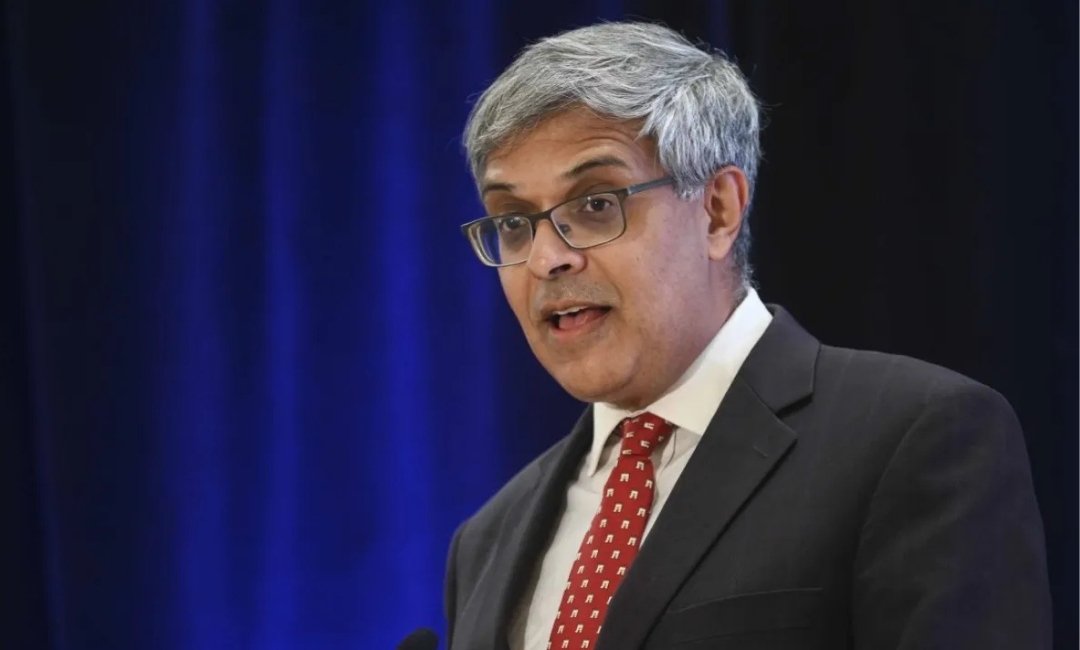
WASHINGTON, DC-US National Institutes of Health Director Dr Jay Bhattacharya has urged parents to ensure their children receive standard vaccinations, including protection against measles, as the United States faces its highest measles caseload in 35 years.
Bhattacharya, who is also temporarily assisting in leading the US Centers for Disease Control and Prevention (CDC), said vaccination remains the most effective way to protect children from preventable diseases.
“The best way to protect your kids from measles is to get the vaccine for measles,” Bhattacharya said in an interview with CBS News program ‘Face the Nation’. Known for his anti vaxxer stance during Covid, he said, “I trust the science.”
He advised parents to follow the full schedule of childhood immunizations, including vaccines against measles and diphtheria, tetanus and pertussis.
“I think- I think that- that parents, for most kids, especially for the measles vaccines, the DTP, all the standard childhood vaccines, it’s very important that parents vaccinate their kids,” he said. Bhattacharya said he had vaccinated his own children, underlining confidence in the safety and importance of routine immunization.
“If you want to protect your kids from those- those preventable diseases, vaccinate your kids,” he said.
CBS News anchor Margaret Brennan noted during the interview that measles cases in the US are at their highest level in 35 years, and that only 10 states have achieved the 95 per cent vaccination threshold considered necessary to prevent sustained transmission.
Responding to concerns about outbreaks, Bhattacharya said cases in states such as South Carolina, Texas, Arizona and Utah had been addressed, while infections in Virginia were declining. However, he noted that certain communities in Pennsylvania remain at higher risk.
He attributed declining vaccination rates in part to reduced public trust in health authorities following the Covid-19 pandemic, adding that rebuilding that trust is a priority for US health agencies. (IANS)