The Met To Showcase Jahangir’s Mughal India In Major 2027 Exhibition
India-West News Desk
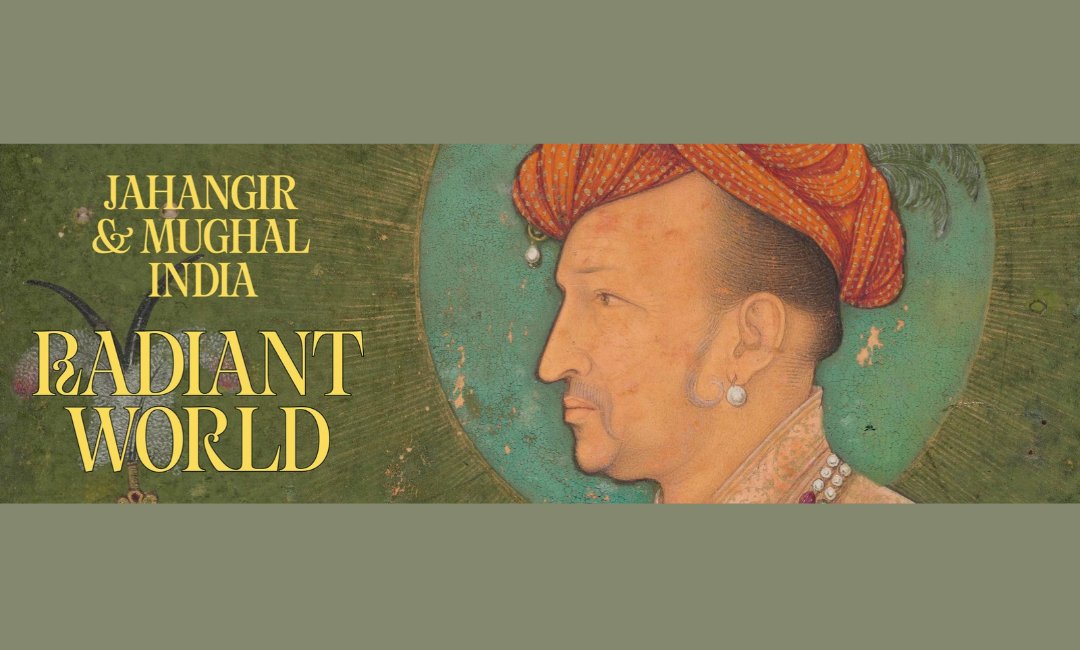
NEW YORK, NY – The Metropolitan Museum of Art will bring together approximately 230 works from its own holdings and major collections worldwide for an upcoming exhibition examining the art, culture and intellectual life of Mughal India under Emperor Nuruddin Jahangir.
Titled ‘Radiant World: Jahangir and Mughal India,’ the show will run from April 25 to August 15, 2027, at The Met Fifth Avenue in Gallery 899, according to the museum. Admission is included with regular museum entry.
Focusing on Jahangir’s reign from 1605 to 1627, the exhibition traces his evolution from a rebellious prince to a powerful ruler, collector and patron of the arts and sciences. The showcase draws inspiration from the emperor’s own memoir, the ‘Jahangirnama.’
On display will be paintings, illustrated manuscripts, drawings, textiles, jeweled arts and decorative objects. Highlights include portraits by court painters Abu’l Hasan, Bichitr and Balchand, alongside dynastic treasures such as coins, pendants and emerald and crystal cups.
Jahangir’s close attention to the natural world forms another core theme. Natural history works by court artist Ustad Mansur—including a painting of an African zebra observed from life at the Mughal court—appear alongside botanical studies and depictions of holy men that reflect the emperor’s interest in wildlife, spirituality and artistic experimentation.
The exhibition also explores the role of Jahangir’s Persian queen, Nur Jahan. Her innovations in architecture, dress and textiles highlight the political and cultural influence women held in Mughal court life.
By examining the shared practices of court workshops, jewelers, architects and textile makers, the exhibition places Jahangir’s court within a wider network of artistic, literary, scientific and philosophical exchange linking India with Persia, the Ottoman Empire, Europe, Africa and broader Asia. The Mughal Empire, which spanned much of South Asia from 1526 to 1858, stood as one of the major cultural powers of the early modern era.
The exhibition is made possible by among others, by Prakash and Anjali Melwani, Anita Saggurti, and Parag and Usha Saxena.