SC Weakens Voting Rights Act, Hands GOP Help In Retaining Control Of Congress
India-West News Desk
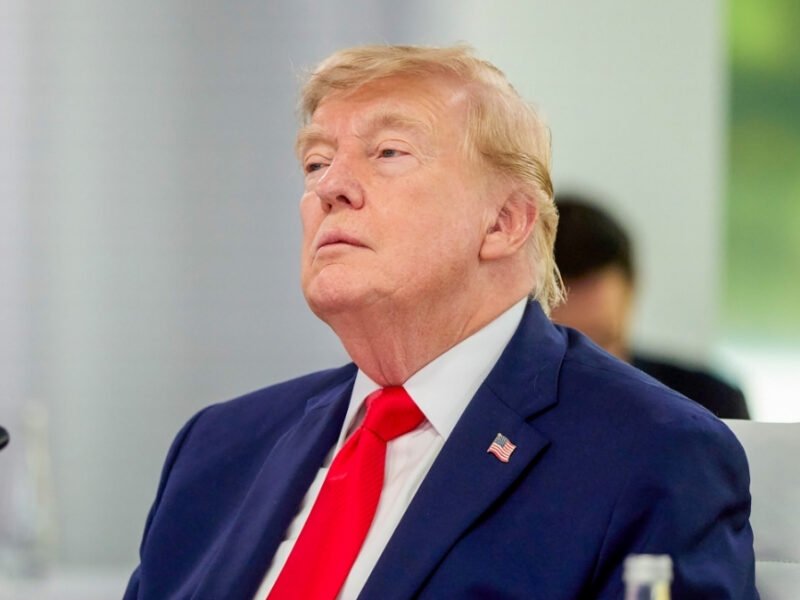
WASHINGTON, DC – A U.S. Supreme Court decision that could reshape the political map ahead of future midterm elections has handed a significant opening to a president who every poll has shown is remarkably unpopular with the public. President Donald Trump who started an aggressive redistricting strategy aimed at preserving Republican control of Congress, now has legal support from the country’s highest court.
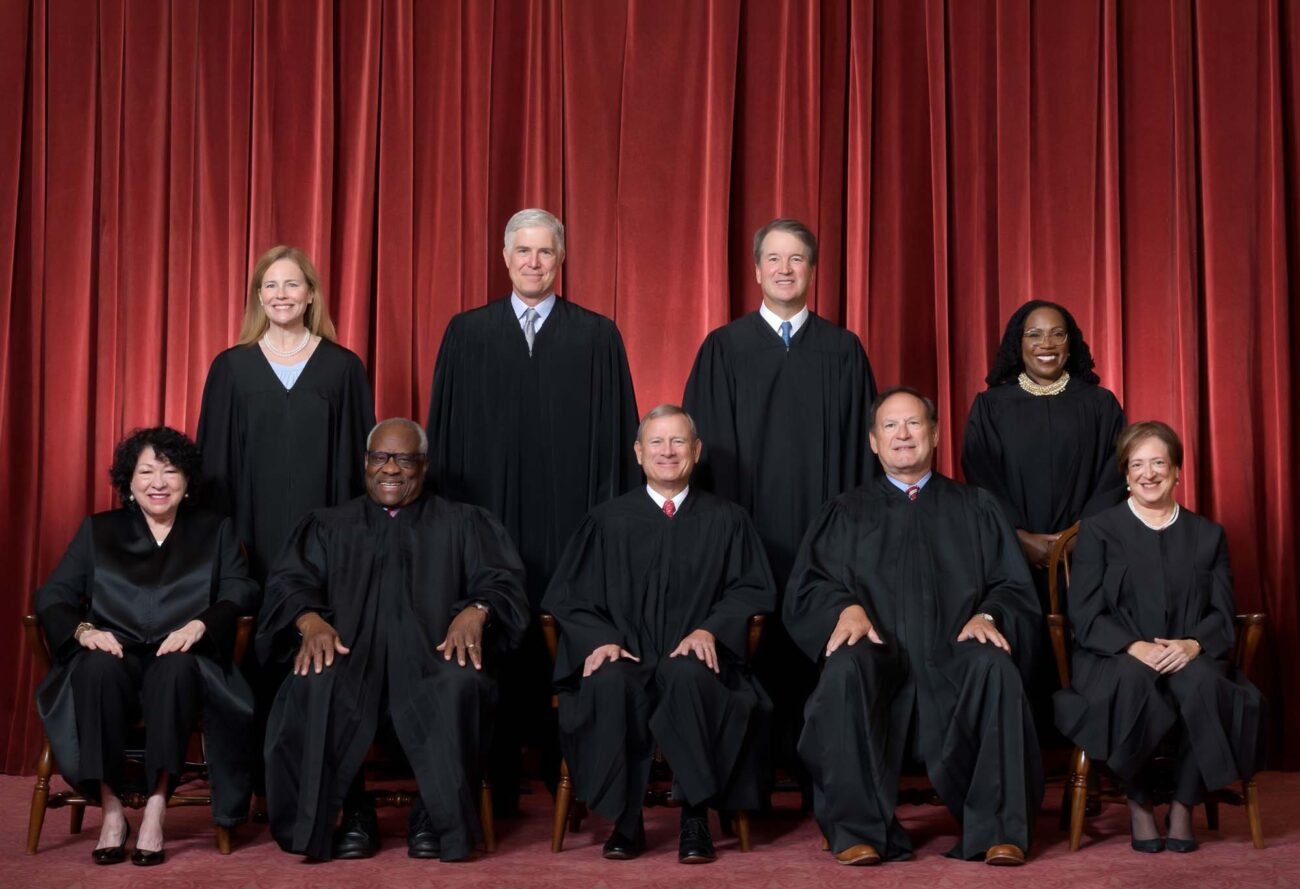
In a 6–3 ruling on April 29, the Supreme Court struck down Louisiana’s congressional map and narrowed the scope of protections under Section 2 of the Voting Rights Act of 1965, a landmark civil rights law that has long been used to challenge racial discrimination in voting, according to Associated Press. The decision is expected to trigger a new wave of redistricting battles nationwide, with potential consequences for the balance of power in the House.
The conservative majority bench ruled that Louisiana’s majority-Black 6th Congressional District, represented by Democrat Cleo Fields, relied too heavily on race in its design. Chief Justice John Roberts had previously described the district’s unusual shape, which stretches across several cities, as resembling a “snake.” Writing for the majority, Justice Samuel Alito said the map amounted to an unconstitutional gerrymander.
The immediate political impact may be limited, since most filing deadlines for the current election cycle have already passed. However, the broader effects could be felt as early as 2028, when multiple districts previously protected under the Voting Rights Act may be redrawn, potentially benefiting Republicans in closely contested races, the Associated Press reported.
The ruling comes in the context of a wider push on election rules. Earlier this year, the president signed an executive order titled “Ensuring Citizenship Verification and Integrity in Federal Elections,” targeting voter eligibility checks and tightening procedures for mail-in ballots. Supporters say the move is aimed at securing elections, while critics argue it could restrict access to voting.
White House spokeswoman Abigail Jackson welcomed the court’s decision, calling it “a complete and total victory for American voters,” and arguing that race should not determine congressional districts. She also linked the outcome to broader Republican efforts to maintain their edge in the House.
Voting rights advocates sharply criticized the ruling. Michael Waldman, president of the Brennan Center for Justice at NYU Law, called it a “devastating setback” that weakens protections for minority voters and risks encouraging both racial discrimination and partisan gerrymandering.