
Blame, Not Healing, Is White House Response To Shooting
India-West News Desk
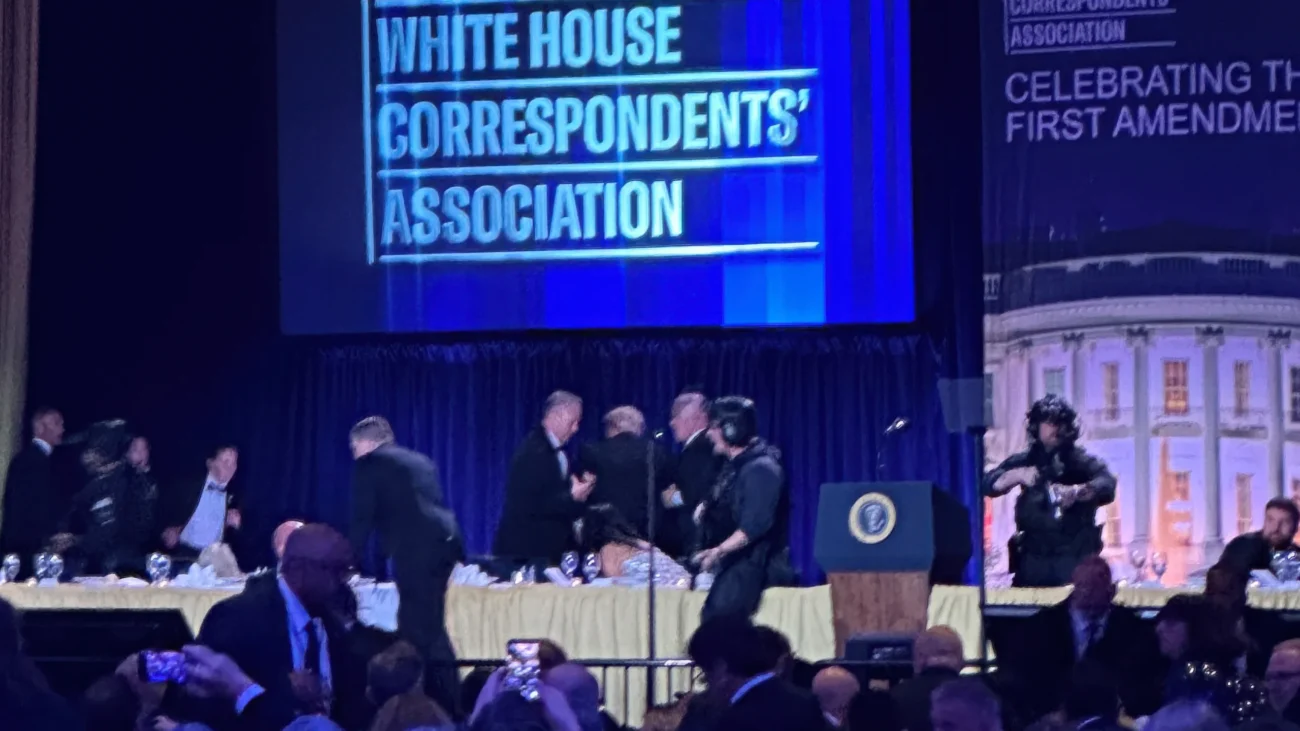
WASHINGTON, DC – In the aftermath of a shooting that targeted President Donald Trump, the White House response has departed sharply from the familiar script that typically follows political violence in America: calls for unity, reflection, and renewed debate over gun control.
Instead, officials have focused their attention outward, toward critics, media voices, and what they describe as a culture of “systemic demonization.”
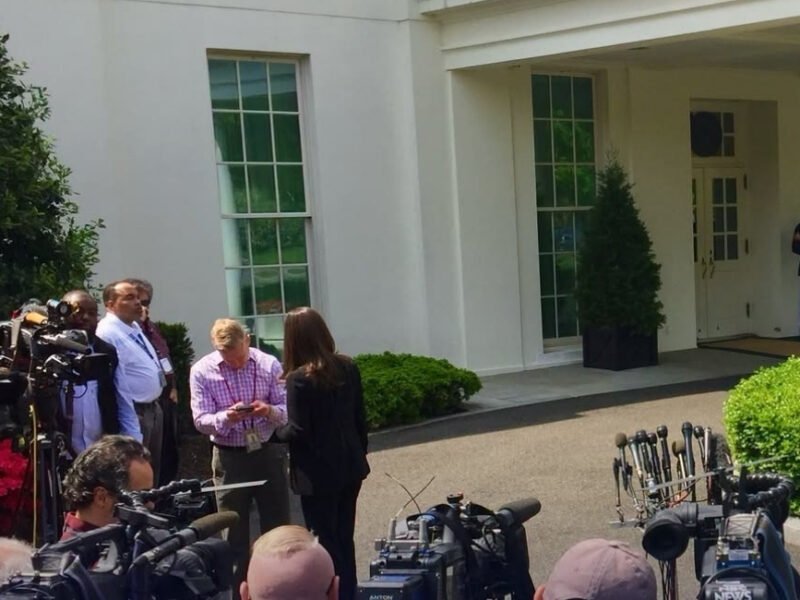
White House Press Secretary Karoline Leavitt said the attack reflected a broader climate of hostility directed at the president and his supporters. “This political violence stems from a systemic demonization of him and his supporters,” she told reporters, arguing that rhetoric used by political opponents and commentators has “helped to legitimize this violence.”
Leavitt pointed to the alleged attacker’s manifesto as evidence, suggesting its language mirrors what is heard “on social media and in various forums every single day.” She added that critics who label Trump a threat to democracy are “fueling this kind of violence.”
The administration also singled out late-night host Jimmy Kimmel over a past remark about First Lady Melania Trump, calling it “completely deranged.” The criticism has been amplified by allies of the current president, with Melania Trump herself weighing in publicly.
Yet the focus on rhetoric—rather than firearms or security failures—has raised questions, particularly given how political violence is typically addressed in Washington. After mass shootings or assassination attempts, leaders across party lines have often emphasized national healing, condemned extremism broadly, and at least gestured toward policy debates around gun access or safety measures.
That pattern has been notably absent this time.
Critics argue that the tone of the response reflects a deeper contradiction. Trump, long known for his combative political style, has frequently used sharp personal attacks against opponents, journalists, and public figures. Over the years, he has mocked rivals’ appearances, assigned nicknames to critics, and publicly derided members of the press.
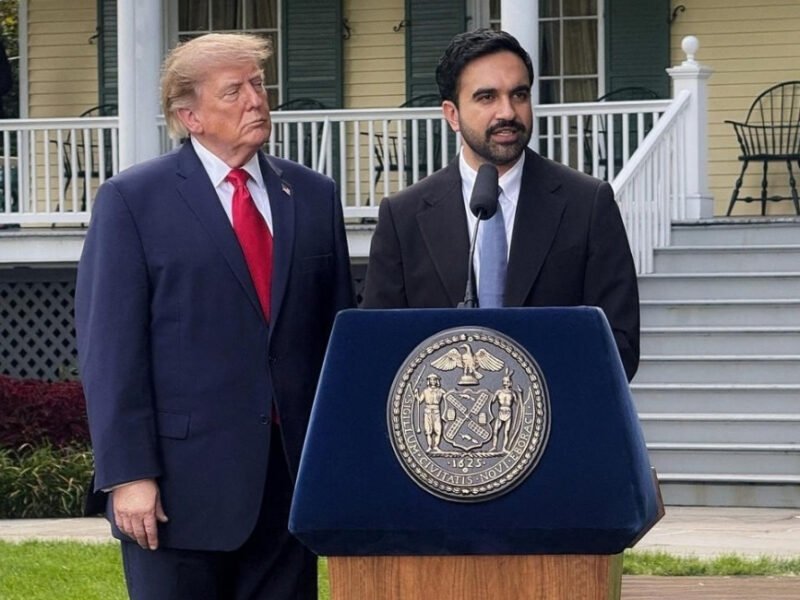
The tension was visible again in a recent interview on 60 Minutes, where Trump, speaking after the shooting, lashed out at a reporter with dismissive and personal remarks rather than adopting a conciliatory tone.
That posture has had ripple effects beyond political messaging. Journalists covering Trump rallies have, at times, expressed concern for their safety, citing hostile crowd reactions and the president’s repeated targeting of the media as “enemies.”
Against that backdrop, the administration’s emphasis on rhetoric as the primary driver of violence has struck some observers as selective.
For supporters of the president, the White House framing underscores what they see as years of unfair attacks and incendiary language directed at Trump. For critics, it highlights an unwillingness to confront the role of political discourse more broadly, including from the president himself.
What is missing, analysts note, is the kind of bipartisan moment that often follows such incidents, a pause in hostilities, even if temporary, to emphasize shared values and public safety.
It is so politically charged, that Trump is now using the shooting to make a pitch for his controversial ballroom in the White House.

Manny
/
Articles like this one tempts me to unsubscribe from this otherwise pretty decent publication.
April 28, 2026Hence I’ll leave just with a note that the writer of this piece is disciplined and editor of the publication if any should have a balanced view in the opinion pieces.
Danny
/
Completely concur.
April 28, 2026It’s a leftist euectrinic rag.