Defense And AI To Anchor Next Phase Of India-US Ties, Says Think Tank Official
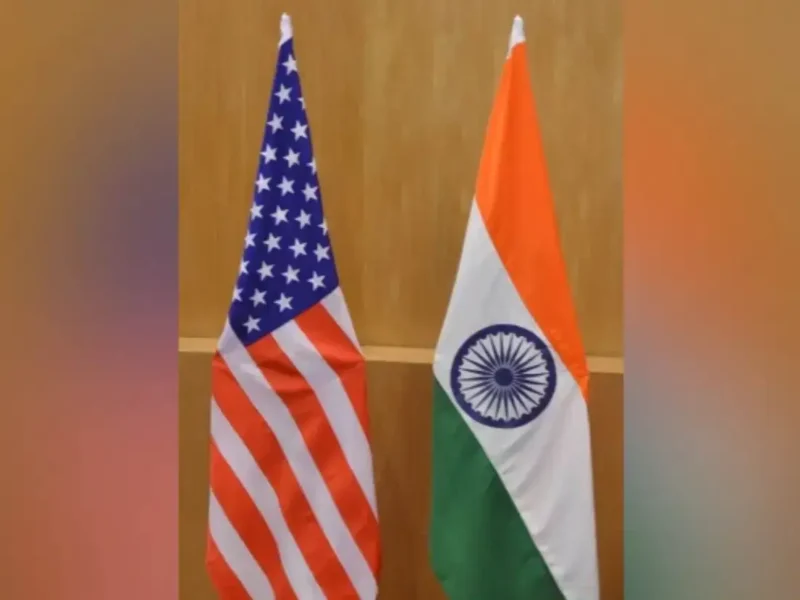
WASHINGTON, DC -Defense cooperation, artificial intelligence, and emerging technologies are likely to anchor the next phase of India-United States engagement as the two sides seek to sustain momentum in strategic sectors despite unresolved political and trade challenges, a senior policy expert said.
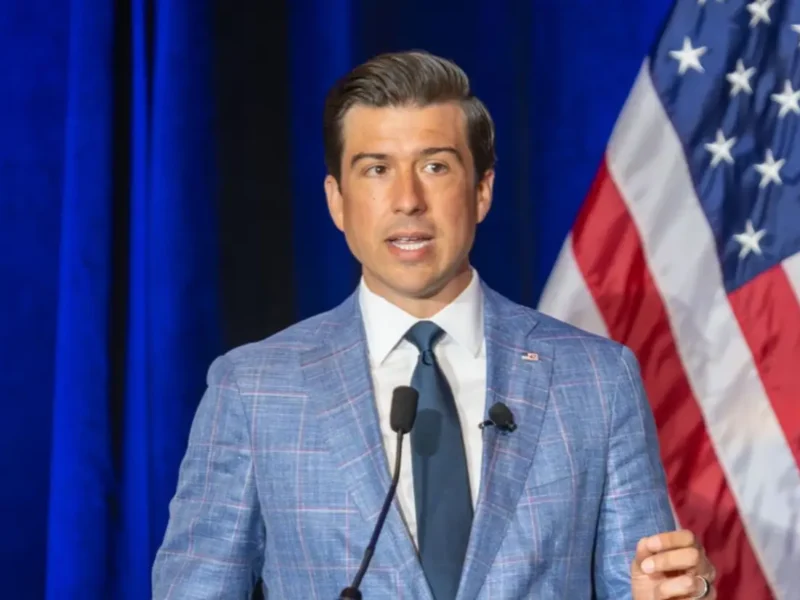
Dhruva Jaishankar, Executive Director of the Observer Research Foundation America, and son of India’s External Affairs Minister S.Jaishankar, noted that while high-level political engagement has faced constraints, cooperation in defense, technology, and energy has continued to advance. This progress provides a foundation for stabilizing bilateral ties in 2026. He observed some stabilization in the relationship, pointing out that Prime Minister Narendra Modi and President Donald Trump spoke at least four times between mid-September and the end of the year.
Practical cooperation has continued even during periods of political strain, evidenced by fruitful agreements on defense and energy. Jaishankar described defense as one of the most resilient pillars of the partnership. Military-to-military engagement has expanded through exercises involving all three services, joint training programmes, and ongoing sales. The challenge historically has been moving toward joint co-production and development.
The most promising opportunities now lie in advanced and niche capabilities rather than legacy platforms. Jaishankar identified cutting-edge technologies like autonomous underwater systems and counter-drone capabilities as areas of interest. In these domains, India has operational requirements while the United States remains at the technological frontier. He cautioned that progress will depend heavily on private-sector engagement rather than just government-to-government agreements.
Artificial intelligence represents another area of growing engagement, though expectations are not yet fully aligned. India is focused on the rapid deployment of AI applications for public benefit and commercial viability. The United States, by contrast, prioritizes leadership in developing cutting-edge AI applications. Despite differing objectives, major technology firms including Google, Microsoft, and OpenAI have made significant investments in India, reflecting confidence in its digital ecosystem.
Regarding the Quad, Jaishankar said political-level momentum has lagged with the leaders’ summit repeatedly deferred, but working-level engagement remains active. This includes counter-terrorism meetings and maritime exercises. Looking ahead, he said progress on trade and tariffs will be critical to unlocking higher-level political engagement. He expressed cautious optimism that some resolution could emerge later in 2026, potentially around the time the US hosts the G20 summit. (IANS)