Middle East Tensions Choke Indian Exports; Crores Lost As Air And Sea Routes Shut
CHENNAI -Escalating tensions in the Middle East have severely disrupted export activity across parts of southern India, with shipments of fruits, vegetables, fish products, textiles, garments and wet grinders facing major delays or coming to a halt as key air and sea routes remain affected.
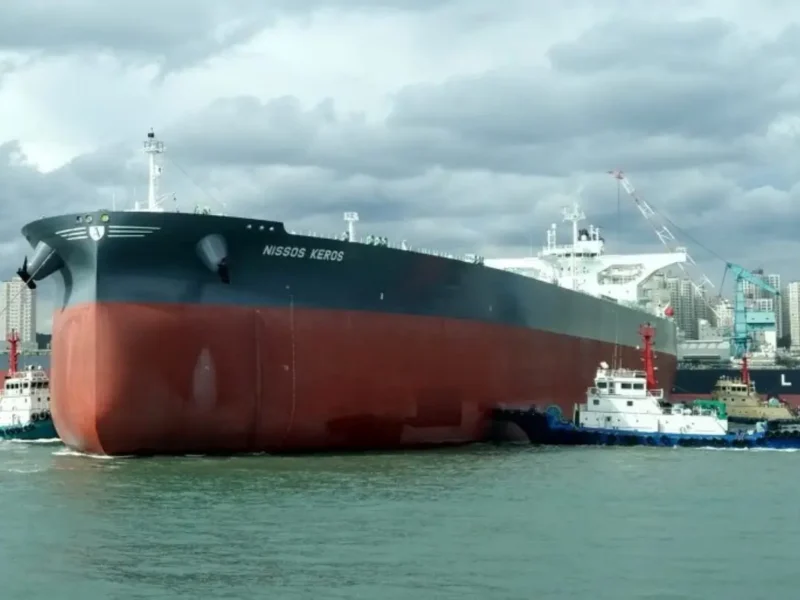
Exporters said the disruption has already caused losses worth several crores of rupees, as air cargo operations from several airports remain suspended while maritime trade has slowed following the closure of the Strait of Hormuz.
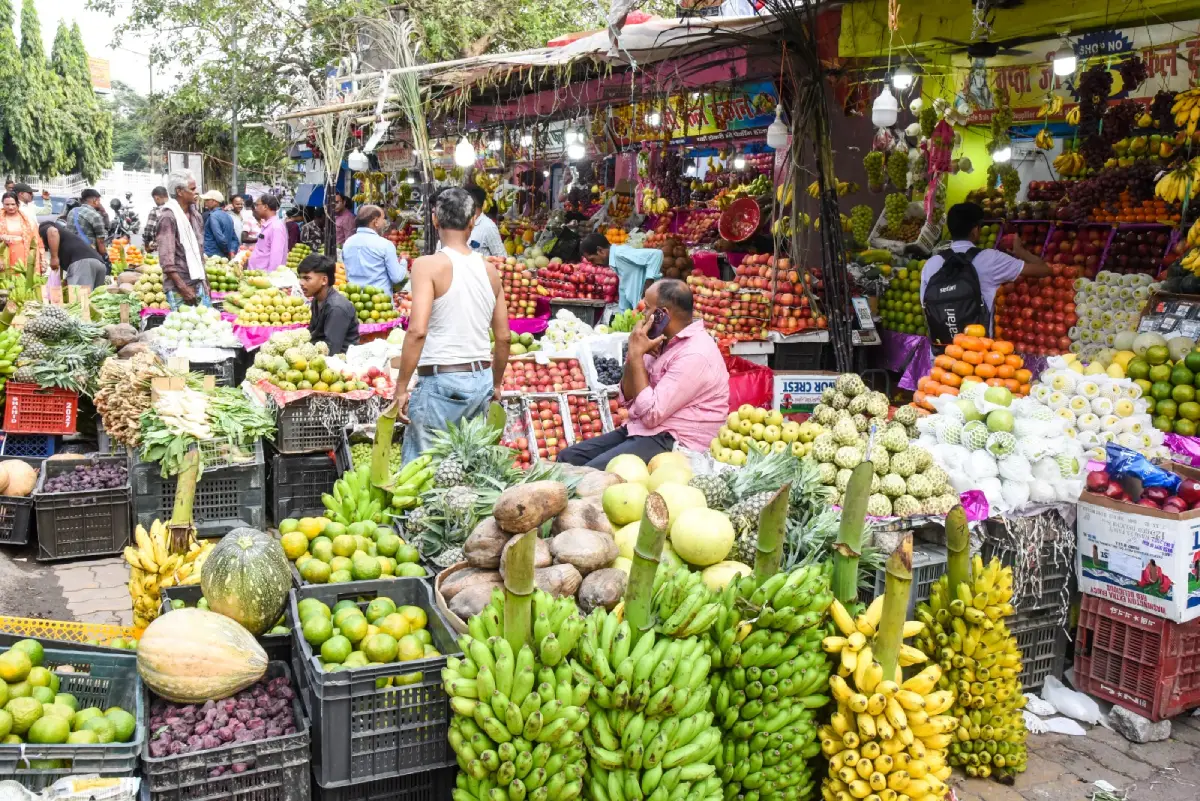
In Kerala, exports of fruits, vegetables and fish products to Gulf countries have come to a near standstill after flight services to several Middle East destinations were suspended.
The state’s four international airports — Thiruvananthapuram, Kochi, Kozhikode and Kannur — serve as key gateways for exporting fresh produce to the Gulf region.
On average, nearly 150 tons of fruits and vegetables are exported daily. However, exporters say that with tensions escalating and several flights cancelled, not even a single ton of fruits or vegetables has been shipped in recent days.
The disruption has come at a particularly difficult time for farmers and exporters, as the holy month of Ramzan is considered the peak export season for fresh farm produce to Gulf markets.
With shipments halted, growers fear a major share of their annual earnings could be wiped out.
At present, limited flight services are operating only to Oman, but exporters say airlines are charging nearly three times the normal cargo rates, making shipments economically unviable.
Meanwhile, the crisis is also affecting manufacturing exports from Tamil Nadu, particularly from Coimbatore, one of India’s major textile hubs.
Cargo vessels that normally pass through the Red Sea and Gulf region are now being forced to take a much longer route around the African continent through the Cape of Good Hope.
According to the Southern India Mills’ Association, the diversion has extended shipping transit times by nearly 20 to 25 days.
Industry representatives warn that prolonged transit times could lead to serious financial consequences for exporters.
Exporters may also face rising logistics costs as shipping companies revise freight rates due to longer routes and higher fuel consumption.
Coimbatore-based manufacturers export garments worth nearly $2 billion annually to the United Arab Emirates, while shipments worth around $1 billion are sent to other Gulf countries.
The impact is also being felt by Coimbatore’s wet grinder manufacturing sector, which exports large volumes to Gulf and international markets.
Several consignments are reportedly stuck at Jebel Ali Port in Dubai, while new export orders from overseas buyers have been temporarily halted due to uncertainty over shipping timelines. (IANS)