India Secures Safe Passage For Oil Tankers After High-Level Iran Talks
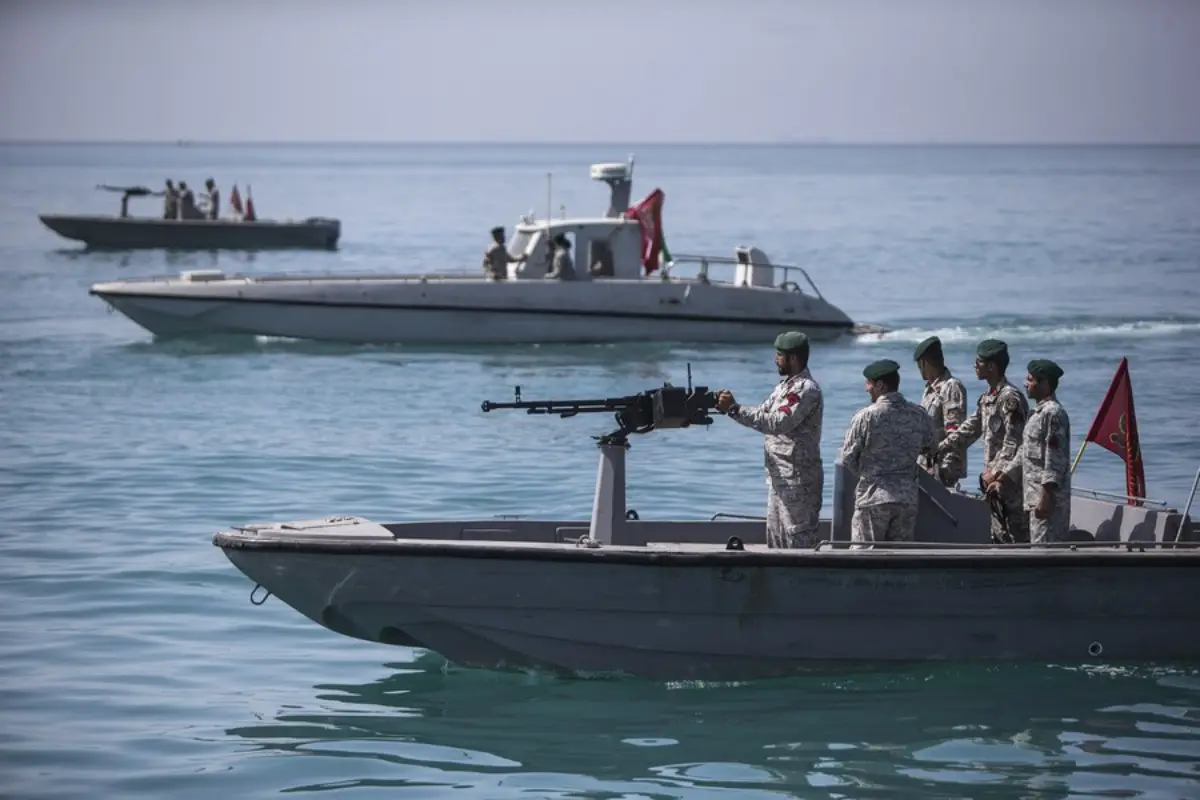
NEW DELHI/TEHRAN — India has secured a vital diplomatic breakthrough as Iran agreed to allow Indian-flagged tankers safe passage through the Strait of Hormuz following intensive talks between External Affairs Minister S. Jaishankar and Iranian Foreign Minister Abbas Araghchi. This agreement aims to maintain the flow of critical crude oil and natural gas through the world’s most sensitive maritime chokepoint. Sources familiar with the developments confirm that the Indian tankers Pushpak and Parimal have already transited the waterway safely, even as vessels from the United States, Europe, and Israel continue to face severe restrictions and security threats in the region.
The maritime security arrangement was the focal point of a discussion between the two leaders late on March 10, marking their third high-level conversation since the outbreak of the Iran war. During the call, the ministers addressed the rapidly evolving situation in West Asia with a specific emphasis on ensuring that commercial maritime movement remains unhindered. In a related success for Indian energy security, the Shenlong Suezmax—a Liberian-flagged tanker carrying Saudi Arabian crude and captained by an Indian national—successfully crossed the Strait and berthed at Mumbai port. This vessel became the first India-bound tanker to navigate the route since traffic slowed dramatically following military strikes on Iran by the United States and Israel.
The Shenlong Suezmax had loaded its cargo at the Saudi port of Ras Tanura on March 1 and departed two days later, with maritime tracking data from Lloyd’s List Intelligence and TankerTrackers placing it within the Strait of Hormuz on March 8. For India, Asia’s third-largest economy, the successful passage of these vessels provides much-needed relief, as the country relies on this narrow corridor for more than half of its total crude oil and natural gas imports.
Despite these diplomatic gains, the region remains highly volatile. The Directorate General of Shipping reports that at least 28 Indian-flagged vessels have been operating in or near the Strait since hostilities began. While eight of these ships were initially caught in high-risk zones, seven—including the Desh Mahima, Desh Abhiman, Swarna Kamal, Vishva Prerna, Jag Viraat, Jag Lokesh, and LNGC Aseem—have since moved to the safer waters of the Arabian Sea, while the Jag Lakshya has continued onward toward Angola.
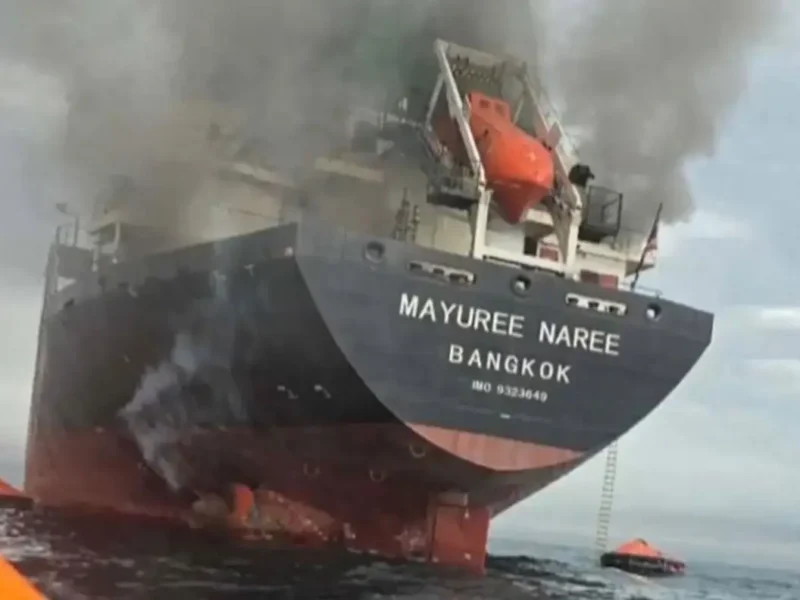
The fragility of the current “safe passage” was underscored on March 11 when a Thai-flagged cargo vessel, the Mayuree Naree, was reportedly attacked shortly after departing the United Arab Emirates for Kandla Port in Gujarat. Indian authorities and the Royal Thai Navy continue to monitor the situation closely as security concerns persist in one of the world’s most critical energy routes. (IANS)