Pahalgam And Its Aftermath Determine New India Doctrine Over Terror
NEW DELHI – Following the horrific April 22 attack in Pahalgam that killed 26 civilians, India carried out a calibrated military response aimed at militant infrastructure across the Line of Control and inside Pakistan.
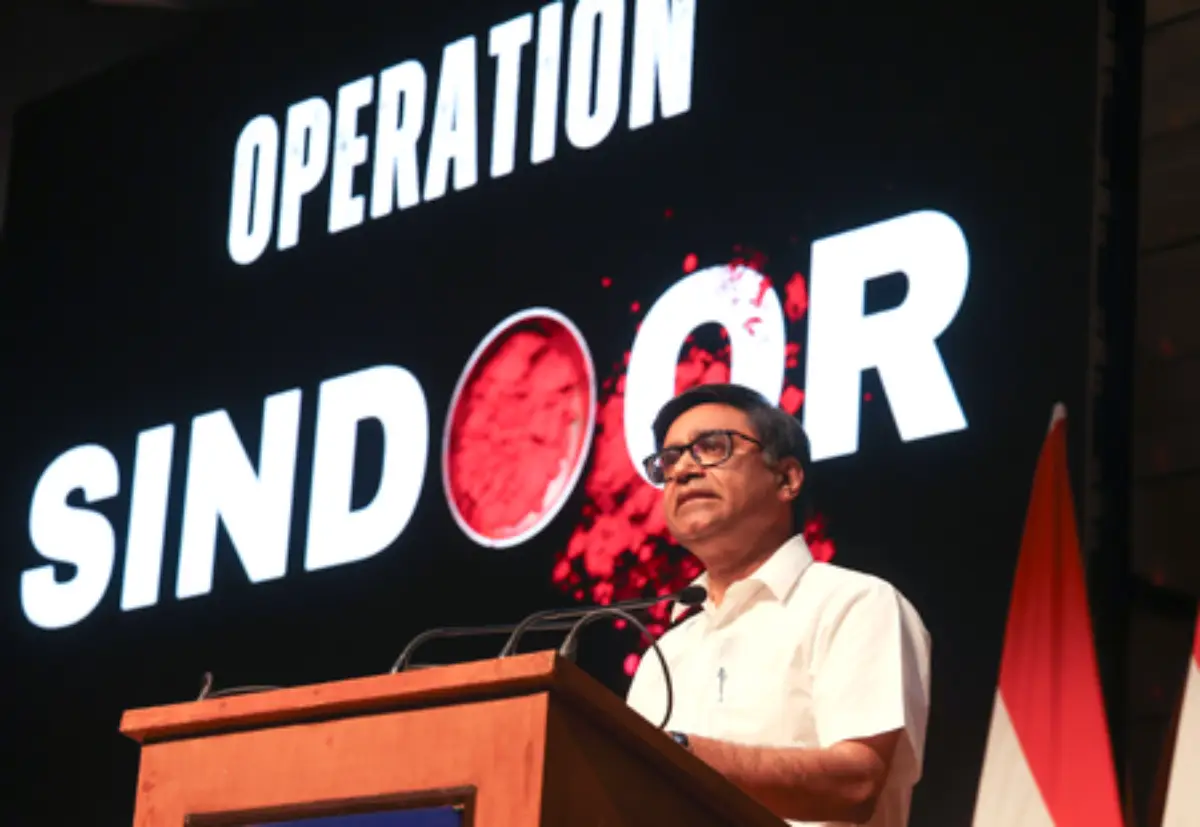
Operation Sindoor was presented by Indian authorities as a signal that future attacks traced to groups operating from Pakistani territory would be treated as acts of armed aggression rather than isolated incidents of cross border terrorism.
On May 7, the Indian armed forces announced strikes on what they said were training camps, headquarters, and launch facilities used by groups including Jaish-e-Mohammed, Lashkar-e-Taiba, and Hizbul Mujahideen. Indian officials said locations in Pakistan administered Kashmir as well as Bahawalpur and Muridke, were targeted. According to New Delhi, the objective was to degrade operational capacity and disrupt leadership structures, rather than expand the conflict.
Security analysts say the operation reflected an evolution in India’s stated doctrine, one that links accountability for attacks directly to state responsibility. Indian officials argue this approach is intended to deter future assaults by raising the cost of sponsorship or tolerance of militant activity. Pakistan has rejected India’s claims and disputed the scale and effectiveness of the strikes.
In the days after the strikes, the Indian military held briefings led by women officers, outlining the targets hit and the use of domestically developed systems such as Akash and BrahMos. Officials said the briefings were meant to counter what they described as misinformation and competing claims from Pakistan regarding losses and outcomes.
Indian authorities emphasized that the operation combined military action with diplomatic engagement and information management, and that it was designed to avoid broader escalation while still signaling resolve. They also highlighted continued engagement with international partners to explain the rationale for the strikes.
Prime Minister Narendra Modi later reiterated that India would not separate militant groups from those who support or shelter them, and warned against what he described as attempts at nuclear deterrence being used to shield non state violence.
NEW DELHI – Following the horrific April 22 attack in Pahalgam that killed 26 civilians, India carried out a calibrated military response aimed at militant infrastructure across the Line of Control and inside Pakistan.
Operation Sindoor was presented by Indian authorities as a signal that future attacks traced to groups operating from Pakistani territory would be treated as acts of armed aggression rather than isolated incidents of cross border terrorism.
On May 7, the Indian armed forces announced strikes on what they said were training camps, headquarters, and launch facilities used by groups including Jaish-e-Mohammed, Lashkar-e-Taiba, and Hizbul Mujahideen. Indian officials said locations in Pakistan administered Kashmir as well as Bahawalpur and Muridke, were targeted. According to New Delhi, the objective was to degrade operational capacity and disrupt leadership structures, rather than expand the conflict.
Security analysts say the operation reflected an evolution in India’s stated doctrine, one that links accountability for attacks directly to state responsibility. Indian officials argue this approach is intended to deter future assaults by raising the cost of sponsorship or tolerance of militant activity. Pakistan has rejected India’s claims and disputed the scale and effectiveness of the strikes.
In the days after the strikes, the Indian military held briefings led by women officers, outlining the targets hit and the use of domestically developed systems such as Akash and BrahMos. Officials said the briefings were meant to counter what they described as misinformation and competing claims from Pakistan regarding losses and outcomes.
Indian authorities emphasized that the operation combined military action with diplomatic engagement and information management, and that it was designed to avoid broader escalation while still signaling resolve. They also highlighted continued engagement with international partners to explain the rationale for the strikes.
Prime Minister Narendra Modi later reiterated that India would not separate militant groups from those who support or shelter them, and warned against what he described as attempts at nuclear deterrence being used to shield non state violence.
In New Delhi’s assessment, the operation marked a shift from reactive responses to a more declarative posture on counterterrorism. (IANS)