Scott Adams’s Death Reopens Conversation About Asok, Dilbert’s Indian Intern
Image: Wikipedia
India-West News Desk
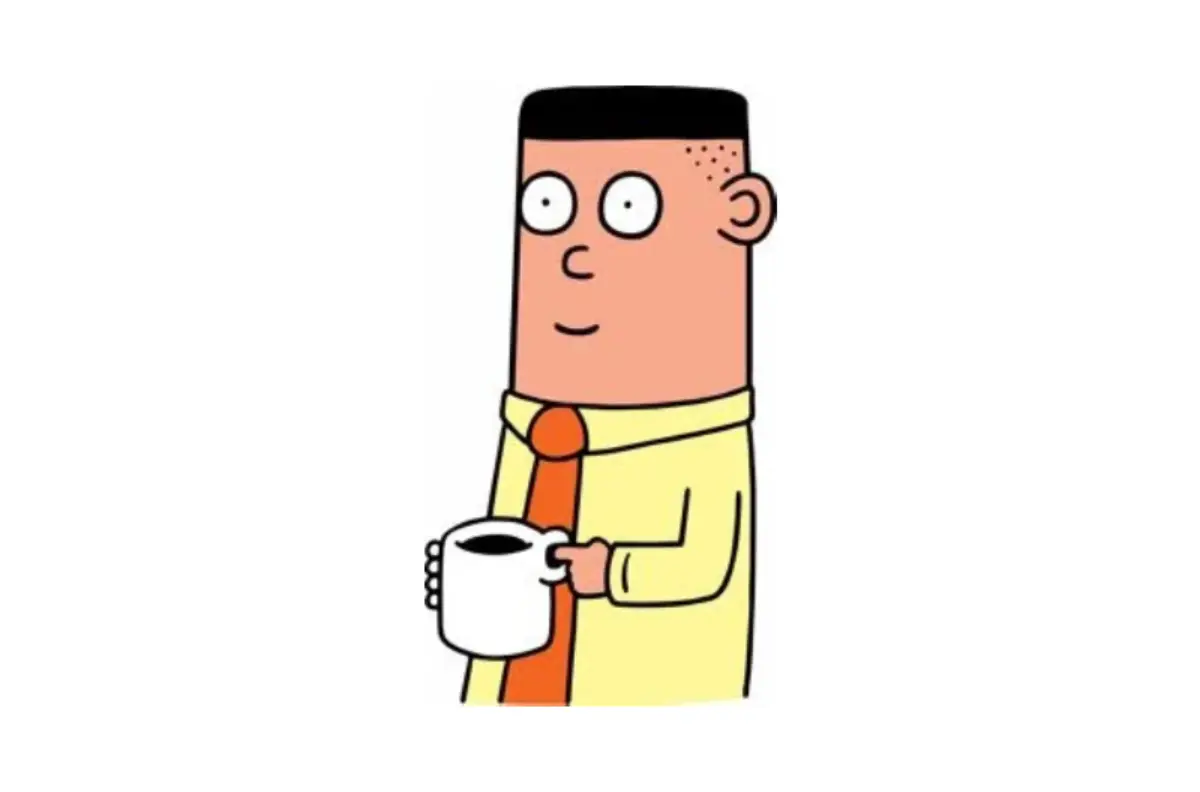
NEW YORK, NY – Scott Adams, the creator of the comic strip Dilbert, died this week at 68, closing the chapter on a career that produced one of the most widely recognized workplaces in popular culture. Among the strip’s lasting legacies is Asok, the Indian intern whose quiet intelligence and awkward optimism became a familiar presence to millions of readers around the world.
Asok was introduced as a graduate of the Indian Institute of Technology, instantly marking him as exceptionally bright in the shorthand of the global tech industry. In Dilbert’s cubicle universe, he was unfailingly polite, deeply analytical, and often more competent than the managers who overlooked him. His wide eyed sincerity frequently collided with corporate absurdity, making him both a comic foil and, for many readers, an emotional anchor.
Adams later said he modeled Asok on a former colleague at Pacific Bell and described the character as representing what he called the cerebral Indian stereotype that had become common in Silicon Valley.
Whatever the author’s intent, Asok took on a life beyond that framing. For Indian and Indian American readers especially, he was one of the few recurring South Asian characters in a mainstream American comic strip during the 1990s and early 2000s, appearing daily in thousands of newspapers across dozens of countries.
At its height, Dilbert ran in roughly 2,000 newspapers in 65 countries and expanded into books, merchandise, and a prime time animated series. Asok featured prominently in that ecosystem, often delivering deadpan observations that exposed the contradictions of corporate culture. He was ambitious but naïve, loyal but undervalued, and his struggles mirrored the experiences of many immigrant professionals navigating American workplaces.
Over time, Asok also became a point of debate. Some readers saw him as a rare example of visibility in a largely white media landscape, while others criticized the character as a bundle of stereotypes filtered through a Western gaze. That tension only grew as Adams himself became more polarizing, particularly after 2023, when his public comments on race led to the collapse of his syndication and much of his professional standing.
Those controversies now sit uneasily beside the enduring reach of his work. Adams disclosed in 2025 that he had advanced prostate cancer. His death was confirmed January 13 by his ex wife, Shelly Miles, who shared a final written statement from Adams reflecting on his life and career.