
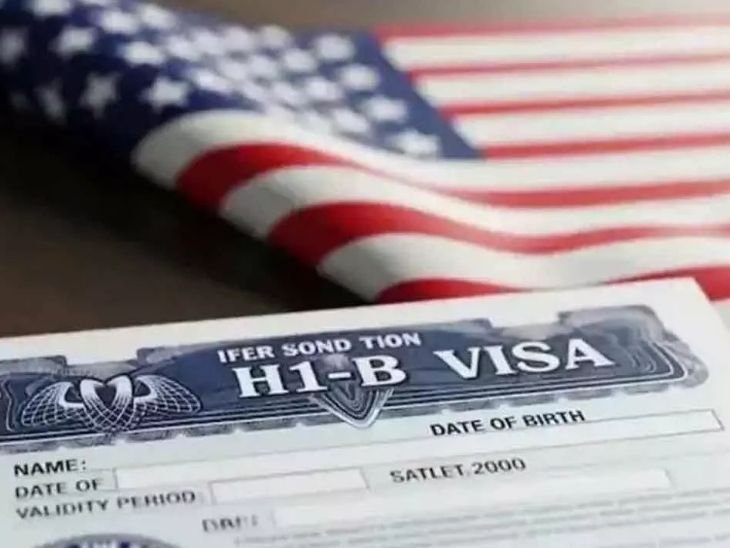
Subramanyam, Thanedar Defend H-1B Visas, Seek Green Card Reforms
WASHINGTON, DC-Democratic Congressmen Suhas Subramanyam and Shri Thanedar have defended the contribution of skilled immigrants to the US economy, arguing that H-1B visa holders and other highly skilled professionals create jobs, drive innovation and help address workforce shortages, while calling for reforms to improve the immigration system.
Both lawmakers said the United States should preserve pathways for skilled immigration, reform the H-1B program where necessary, and eliminate country-based green card quotas that have left many Indian professionals waiting years for permanent residency.
Subramanyam, who represents Virginia’s 10th Congressional District, rejected the argument that H-1B visa holders take jobs away from Americans.
“This is not a zero-sum game,” he said. “In fact, a lot of folks that come in on, let’s say, H-1B visas, they actually end up starting companies, creating jobs for Americans.”
He acknowledged that the program needs reforms to ensure American workers have opportunities but said it has successfully filled critical workforce gaps while attracting talented professionals who later became US citizens.
Pointing to his own Virginia constituency, Subramanyam said many former H-1B visa holders had become citizens and active members of their communities. “There’s so many in my community who started off as H-1B visa holders who are now citizens and who are giving back so much to the community,” he said.
He also criticized efforts to blame immigrants for broader economic challenges, saying such arguments distract from deeper structural issues affecting workers and the economy.
“There are other systemic problems that are preventing that, that we need to address, but, you know, an age-old tactic is to blame immigrants for the economy or for anything that’s going wrong,” he said.
Thanedar, who represents Michigan, focused on the need to modernize the employment-based immigration system by speeding up visa processing and removing country-based green card limits.
“We need to process visas quicker. We need to get rid of country quotas so we can get the skilled workforce our businesses need,” he said.
Indian professionals face some of the longest waits for employment-based green cards because of per-country caps despite making up a significant share of the US high-skilled workforce.
Thanedar said business leaders, particularly in the technology sector, continue to struggle to find workers with specialized skills.
“Every time I go meet Silicon Valley entrepreneurs, CEOs, they all tell me about how difficult it is to get a skilled workforce,” he said.
While stressing that the United States should invest in training more Americans for high-skilled jobs, he said immigration would remain essential until domestic demand could meet industry needs.
“The only way we can get those skilled workforce businesses need is to train Americans for these skills, and until such thing happens where there are enough Americans, we need to continue to encourage immigrants to come and contribute to our economy and contribute to our GDP and help create more American jobs,” he said.
Thanedar also expressed concern over what he described as growing anti-immigrant sentiment and said he was working in Congress to restore recognition of immigrants’ contributions.
“Currently there is such a wave of anti-immigrant attitude all across America,” he said. “And what I’m doing is in Congress, I’m fighting to restore the respect for immigrants.”
Highlighting the role of Indian professionals in the technology sector, Thanedar said, “Silicon Valley could not survive without immigrants, especially Indian, Indian Americans. So, it is time for us to realize and respect and honor the contribution of immigrants for the success of America.” (IANS)

Nain Patel
/
If they care so much about India, they’ll visit the country and work with GOI so that so many brilliant ppl don’t leave and instead towards the upliftment of India, rather than the US.
July 21, 2026