
Tariff Dispute Lingers, But US And India Signal Deeper Energy Engagement
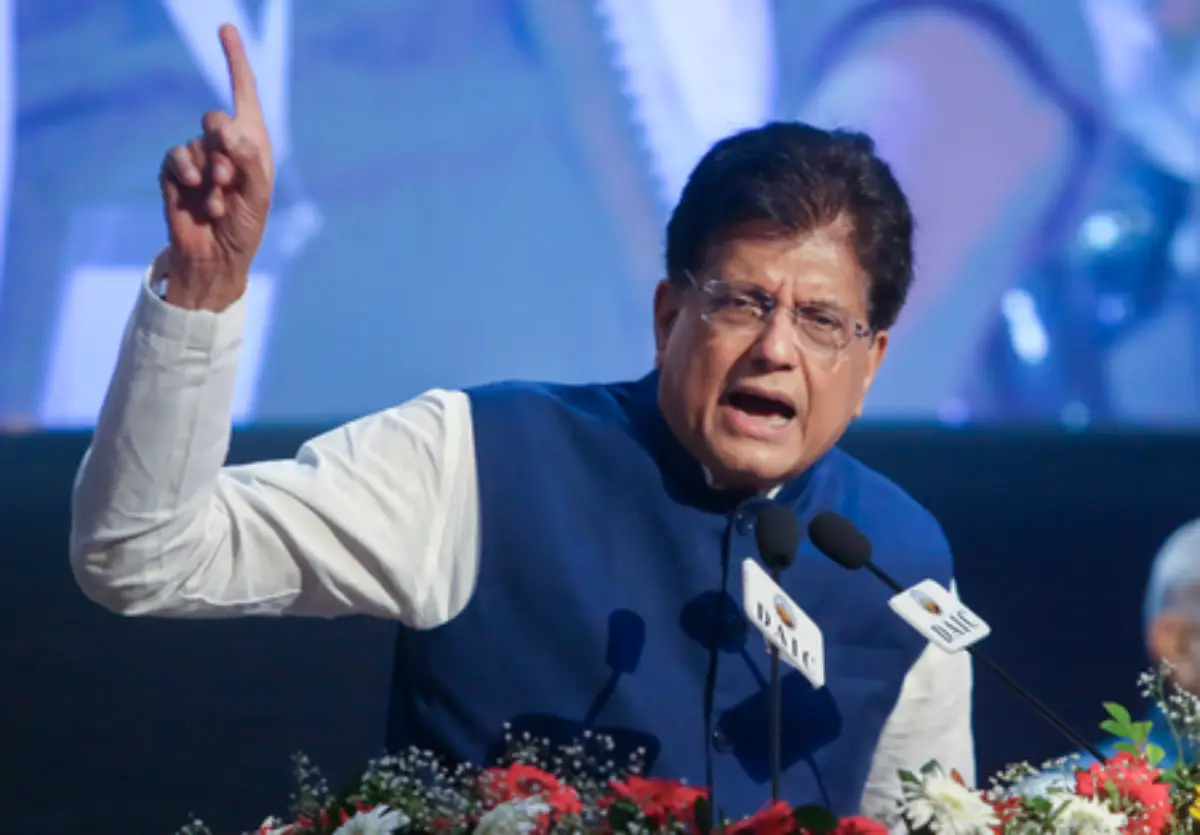
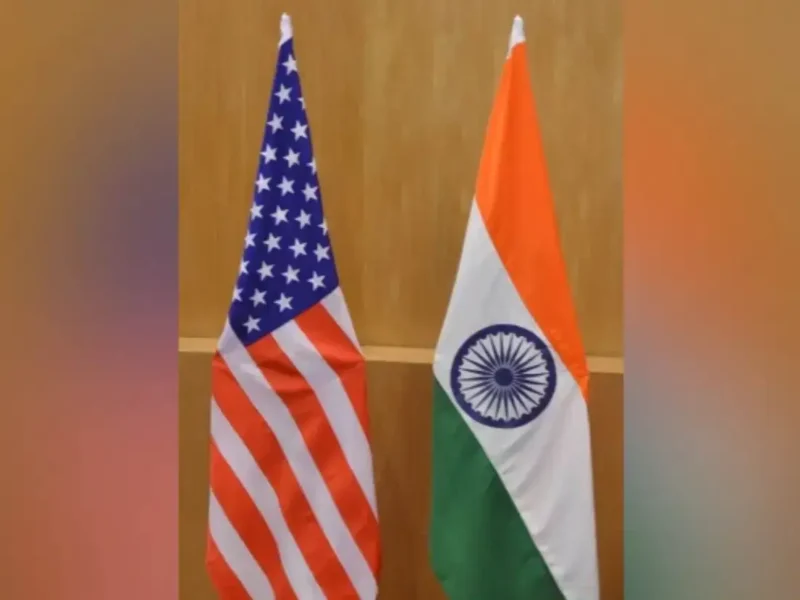
WASHINGTON, DC — The United States and India signaled efforts to deepen energy cooperation this week, with senior leaders from both sides emphasizing the potential for greater trade and collaboration in the sector.
On September 23 in New York, India’s Commerce and Industry Minister Piyush Goyal highlighted the “scope to expand India-US energy trade,” stressing opportunities in nuclear power as an affordable clean energy option and support for start-ups in renewables. A day later, US Energy Secretary Chris Wright echoed that sentiment, hailing India as an “awesome ally” and calling for broader engagement across natural gas, coal, nuclear, and clean cooking fuels.
“A lot of my early time when I arrived in my position was dealing with India, the world’s largest democracy, an awesome ally of the United States, a fast-growing economy, a truly dynamic society that has rapidly growing energy demand because people are increasing their prosperity, their opportunities,” Wright said at a press conference. “I’m a huge fan of India. We love India.”
At the same time, Wright acknowledged ongoing “friction” over India’s continued imports of Russian oil, while linking the issue to broader US efforts to end the war in Ukraine. “We want to bring that war to an end. I believe the Indians want to bring that war to an end,” he said.
Goyal, meanwhile, held a series of meetings in New York with global counterparts and business leaders, including Italy’s Deputy Prime Minister Antonio Tajani and World Bank President Ajay Banga, aimed at strengthening India’s trade, investment, and sustainable development partnerships.
Despite differences over Russian oil, both sides projected optimism about expanding energy ties. “We want nothing more than more trade energy cooperation with India,” Wright said, underscoring the shared interest in aligning on energy security and clean technology. (IANS)
Amrit Lall
/
India needs to import large amounts of oil and gas from other countries to meet its energy requirements. Unlike the United States, India is not a wealthy nation and must therefore find the most affordable suppliers. Russia meets this requirement. Mr. Trump, who believes he is a skilled negotiator, seems to expect that India should not follow the same approach he does. Why is what is acceptable for one party not acceptable for the other? What is good for the goose is good for the gander.
September 25, 2025Sam
/
Taxes on Americans are decide by the American Govt. If they are targeted to India, India can take steps to help Indians find ways to lower impact.
1) Reciprocal taxes
2) Sanctions for activities against national interests of India like engaging and funding ISI
3) Cut costs in engagements with US military and divert the money towards other essential activities
4) Find more business like Russia and Iran; buy more of their products if they buy more of Indian products
And most of all buy US oil at the same prices as Russian Oil
September 25, 2025pemba
/
It is wait and see game.
September 27, 2025Sam
/
Funny!!!!
September 29, 2025USA does not want India to buy Russian Oil but continues to deepen military engagement with a known terrorist Pakistan who uses US aid to hurt India and Indians.