Trump’s America First: A Betrayal Of India’s Strategic Partnership
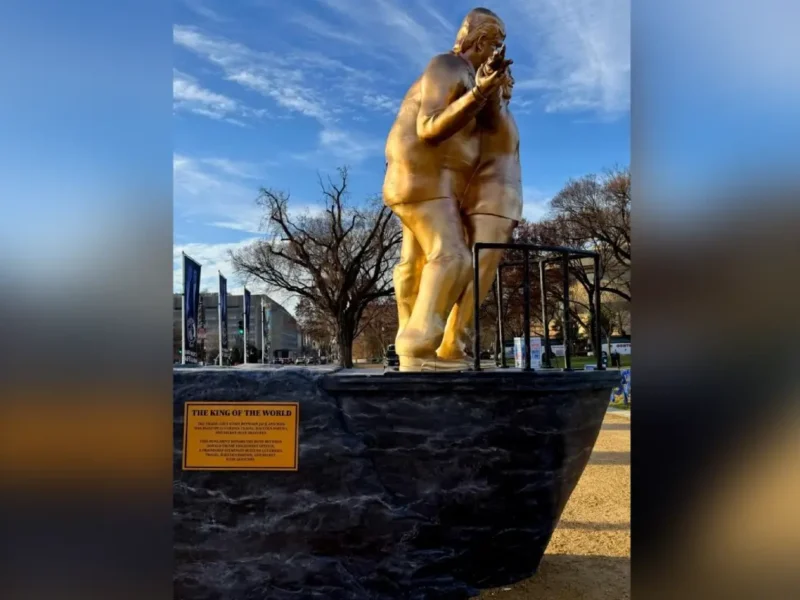
Photo: YouTube Screengrab WFAA TV
By Jeevan Zutshi
In the sweltering summer of 2025, as monsoon rains lashed New Delhi, the Trump administration unleashed a policy blitz that has left Indo-US relations in tatters. What began as a bromance between Donald Trump and Narendra Modi—sealed with hugs at the White House in February—has devolved into a one-sided economic assault. From crippling tariffs on Indian exports to cozying up with Pakistan, eyeing a foothold in Taliban-held Afghanistan, and slapping a staggering $100,000 fee on H-1B visas, Trump’s “America First” agenda is not just shortsighted; it’s a geopolitical own-goal that undermines decades of bipartisan US efforts to court India as a counterweight to China. As an Indian-American who’s seen the promise of this alliance firsthand, I argue that these moves betray a vital partnership, prioritizing petty vendettas over enduring strategic gains.
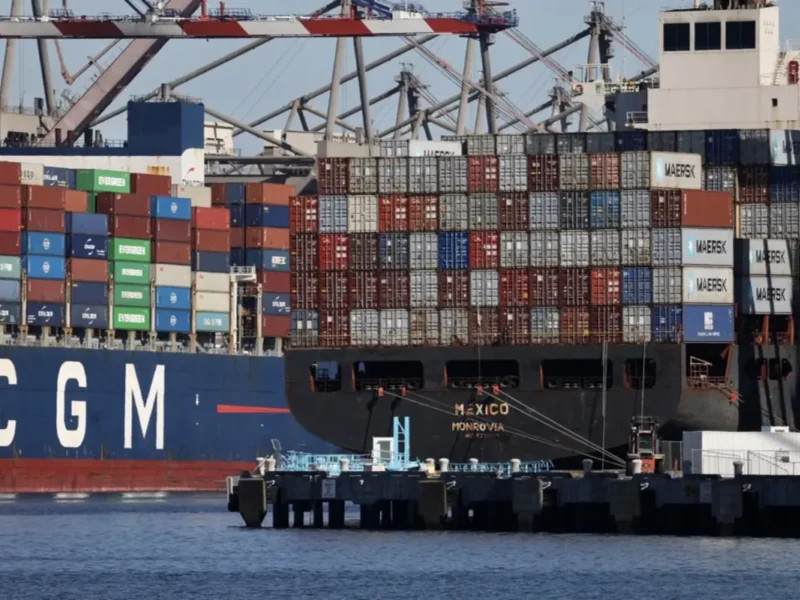
Let’s start with the tariffs, the sharpest thorn in bilateral ties. On August 7, Trump imposed a 25% “reciprocal” tariff on Indian goods, followed by another 25% penalty on August 27 for India’s purchase of discounted Russian oil—a total of 50%, among the highest rates levied on any US trading partner. This isn’t reciprocity; it’s retaliation. India, the world’s third-largest oil importer, bought Russian crude to shield its 1.4 billion citizens from energy shocks amid the Ukraine war, a pragmatic choice echoed by China and others who faced no such reprisal. Trump’s selective fury has slashed Indian exports by up to 70% in affected sectors like textiles and pharmaceuticals, erasing as much as one percentage point from India’s GDP growth this year. Protests erupted in Punjab, with farmers burning effigies of Trump, while Prime Minister Modi urged “self-reliance” through GST cuts and “Made in India” campaigns. Economists at Nomura liken this to a “trade embargo,” forcing firms like Apple to reroute supply chains to Vietnam or Mexico—ironically, accelerating the very diversification from China that Washington once championed. By punishing its Quad ally while sparing Beijing, Trump has not only inflamed anti-American sentiment in India but also handed Xi Jinping a propaganda victory, portraying the US as an unreliable hegemon.
Compounding this economic sabotage is Trump’s inexplicable pivot toward Pakistan, a nation long accused of harboring terrorists and undermining regional stability. In a stunning reversal, the administration hosted Pakistan’s army chief, General Asim Munir, at the White House in June, dangling deals on critical minerals, hydrocarbons, and even crypto partnerships via the Trump family’s World Liberty Financial. By August, a trade pact emerged with a mere 19% tariff—far below India’s punitive rate—prompting whispers of influence peddling. Trump even nominated Pakistan for his Nobel Peace Prize fantasy after claiming credit for a May India-Pakistan ceasefire, despite New Delhi’s insistence that Washington played no role. This patronizing embrace reeks of opportunism: Pakistan, desperate for IMF bailouts and facing TTP insurgencies, flatters Trump while deepening military ties with China via the $62 billion CPEC corridor. For India, it’s a gut punch. Decades of US pressure on Islamabad for cross-border terrorism have evaporated, sidelining New Delhi’s equities in Kashmir and countering Beijing’s Belt and Road ambitions. As Jake Sullivan, Biden’s last national security advisor, alleged in September, Trump’s family business ties in Pakistan may be dictating foreign policy, turning South Asia’s balance of power into a family fiefdom. This isn’t strategy; it’s shortsighted favoritism that emboldens Pakistan’s military deep state and erodes trust in America’s Indo-Pacific pivot.
Then there’s the absurdity of Trump’s Bagram obsession, a relic of imperial overreach that drags the US back into Afghanistan’s quagmire. In September, Trump publicly demanded the Taliban return the sprawling Bagram Air Base—abandoned in the 2021 withdrawal he now decries—threatening “bad things” if they refuse. Citing its proximity to China’s nuclear sites (an hour’s flight, he claims), the president envisions it as a surveillance hub for rare earth mining, counter-ISIS ops, and diplomatic leverage. Quiet negotiations have dragged on for months, but the Taliban, fresh from rejecting foreign boots on Afghan soil, dismissed it outright: “Afghans have never accepted a military presence.” Reviving Bagram would require 10,000+ troops and billions, echoing the 20-year folly that cost $2 trillion and 2,400 American lives. For India, which views a stable Afghanistan as a buffer against Pakistani proxies, this flirtation with the Taliban is alarming. It legitimizes a regime sheltering al-Qaeda remnants and ignores New Delhi’s $3 billion in post-withdrawal aid. Trump’s fixation isn’t about containing China—it’s ego-driven revisionism that risks re-igniting jihadist blowback and alienating Afghan allies like India, who rebuilt schools and dams while Washington dithers.
Perhaps most galling for the 4.5 million-strong Indian diaspora is the H-1B visa fee hike to $100,000 annually, signed into proclamation on September 19 and effective immediately for new applicants. This “shock” fee—up from a few thousand dollars—targets skilled workers, with Indians comprising 72% of recipients. Tech giants like Amazon (12,000 approvals in early 2025) and Microsoft now face prohibitive costs, prompting warnings to visa holders: stay put or risk exile. Coupled with broader immigration overhauls—ending birthright citizenship for children of undocumented parents from February 19, expanding expedited removals nationwide, reinstating “extreme vetting” via social media scrutiny, and a new $1 million “gold card” for the ultra-wealthy—these changes weaponize legal pathways against merit-based migration. Trump claims it’s to “train Americans,” but it guts innovation: H-1B holders file 50% of US patents and contribute $200 billion annually to the economy. By pricing out talent from Bengaluru’s coding hubs, the administration doesn’t protect jobs—it stifles Silicon Valley, where Indian engineers built companies like Google and Adobe. A Pew poll showed 60% Indian confidence in Trump pre-inauguration; now, it’s cratered, fueling Modi’s recalibration toward BRICS and SCO summits with Putin and Xi.
These policies aren’t isolated missteps; they’re a coherent assault on the US-India strategic edifice built since the 2000s. Bipartisan visionaries from Bush to Biden saw India as Asia’s democratic anchor, fostering Quad defense ties, tech transfers, and $200 billion in annual trade. Trump’s volatility—tariffs as tweets, alliances as auctions—has upended that, pushing New Delhi toward Moscow and Beijing. A Carnegie report warns of a “slow-motion catastrophe,” with 25 years of progress at risk. Yet, hope flickers: Modi’s “very positive” rapport with Trump endures, and a Quad summit looms for late 2025. India must play the long game—diversifying energy, boosting domestic manufacturing, and courting Japan and the EU—while pressing Washington for reciprocity.
Trump’s America First is a false idol, blind to how alienating India empowers adversaries. As the world’s largest democracies, we deserve better than grudges and greed. It’s time for cooler heads in the White House to remember: true strength lies in partnership, not punishment. If not, the Indo-Pacific’s future will be written in Mandarin, not English.
(Zutshi, an Indian American community leader, lives in California)