Trump’s Reliance On Pak Army Chief Munir ‘Dangerously Short-Sighted’ Says US Analyst
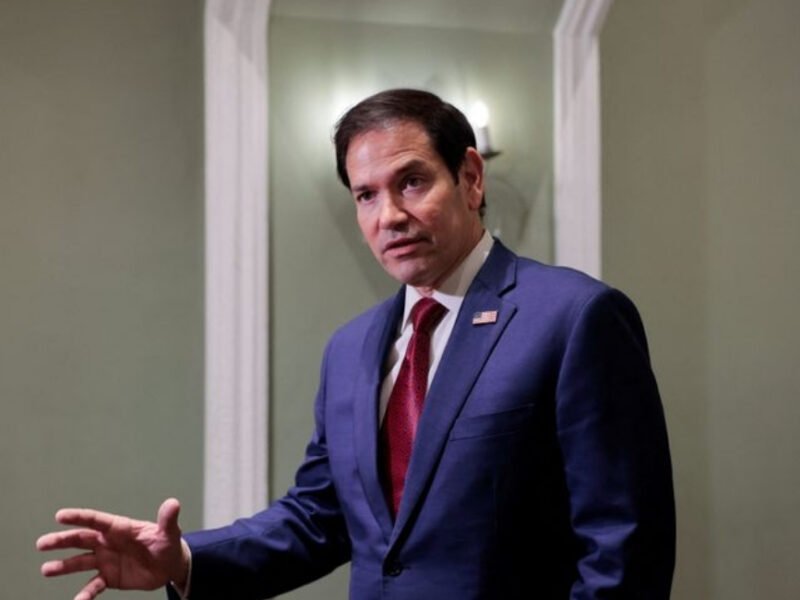
WASHINGTON, DC – President Donald Trump’s outreach to Pakistan Army Chief Field Marshal Asim Munir may appear to be transactional diplomacy, but the approach is “dangerously short-sighted”, according to a report by Washington-based national security and foreign policy analyst Siddhant Kishore.
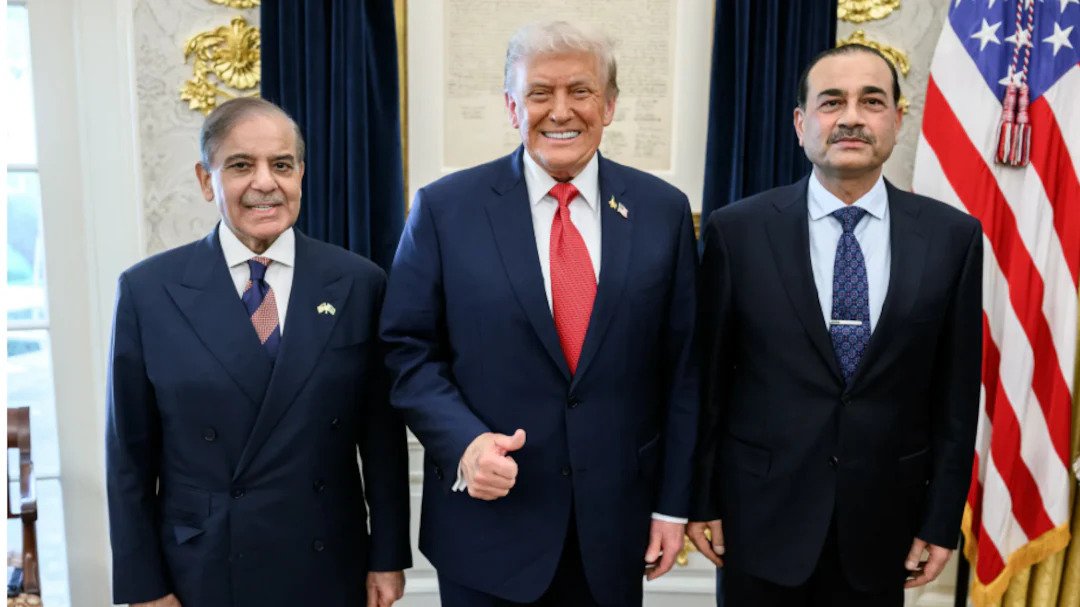
Writing in ‘The Cipher Brief’, Kishore said the Trump administration has relied on Munir as a principal intermediary in US-Iran diplomacy, welcoming him to the White House and highlighting Pakistan’s role in conveying messages and facilitating dialogue during periods of heightened tensions.
However, Kishore argued that the US strategy overlooks fundamental strategic divergences by rewarding Pakistan’s military establishment despite its growing grip on power at home, which he said is destabilizing the region Washington seeks to stabilize.
“If the US elevates Munir without insisting on accountability, it would neither bring stability to South Asia nor the Middle East. Instead, it will legitimize a military regime that has learned to profit from crisis, repression and its strategic geography,” Kishore wrote, describing the approach as “short-termism” disguised as diplomacy.
Kishore said Pakistan under Munir is not only authoritarian in structure but also coercive in its actions. Referring to Pakistan-occupied Kashmir (PoK), he said mass protests over governance, elite privileges and political representation have often turned violent, with last month’s clashes claiming more than 30 lives as police and paramilitary forces were deployed against demonstrators.
He also cited the situation in Balochistan, noting that prominent Baloch activist Mahrang Baloch was charged in more than two dozen anti-terrorism cases after what he described as a prolonged period of “unlawful detention” and was sentenced to life imprisonment in June 2026 in a case that rights groups have called “politically motivated and procedurally flawed”.
Kishore also argued that Pakistan’s military operations in Afghanistan have been marked by recklessness and widespread devastation.
“Trump has publicly credited Pakistan with special insight into Iran, noting that Pakistanis ‘know Iran very well, better than most.’ Munir has been positioned as a back-channel messenger and facilitator during periods of US-Iran tension. In reality, however, Munir’s role in the negotiations deserves scrutiny, not applause. It appeared to align with Tehran’s demand that Washington ease pressure before talks could proceed. Munir reportedly told Trump that the US blockade of Iranian ports was a major obstacle to negotiations, reinforcing Iran’s position rather than balancing between both sides,” Kishore wrote.
Warning that Washington’s growing engagement with Islamabad risks empowering Pakistan’s military establishment, Kishore said, “Pakistan’s regional aspirations do not align cleanly with US priorities. It hedges with Iran, deepens ties with China, antagonizes India, suppresses democratic dissent, and uses its military-commercial complex to convert foreign engagement into domestic power.” (IANS)