USDA Aims To Slash Indian Tariffs On US Agriculture
WASHINGTON, DC- US farm trade strategy increasingly centers on major markets such as India and China, the Agriculture Department’s top trade official told lawmakers, highlighting new export opportunities even as legislators clashed over tariffs, food aid policy and the country’s widening agricultural trade deficit.
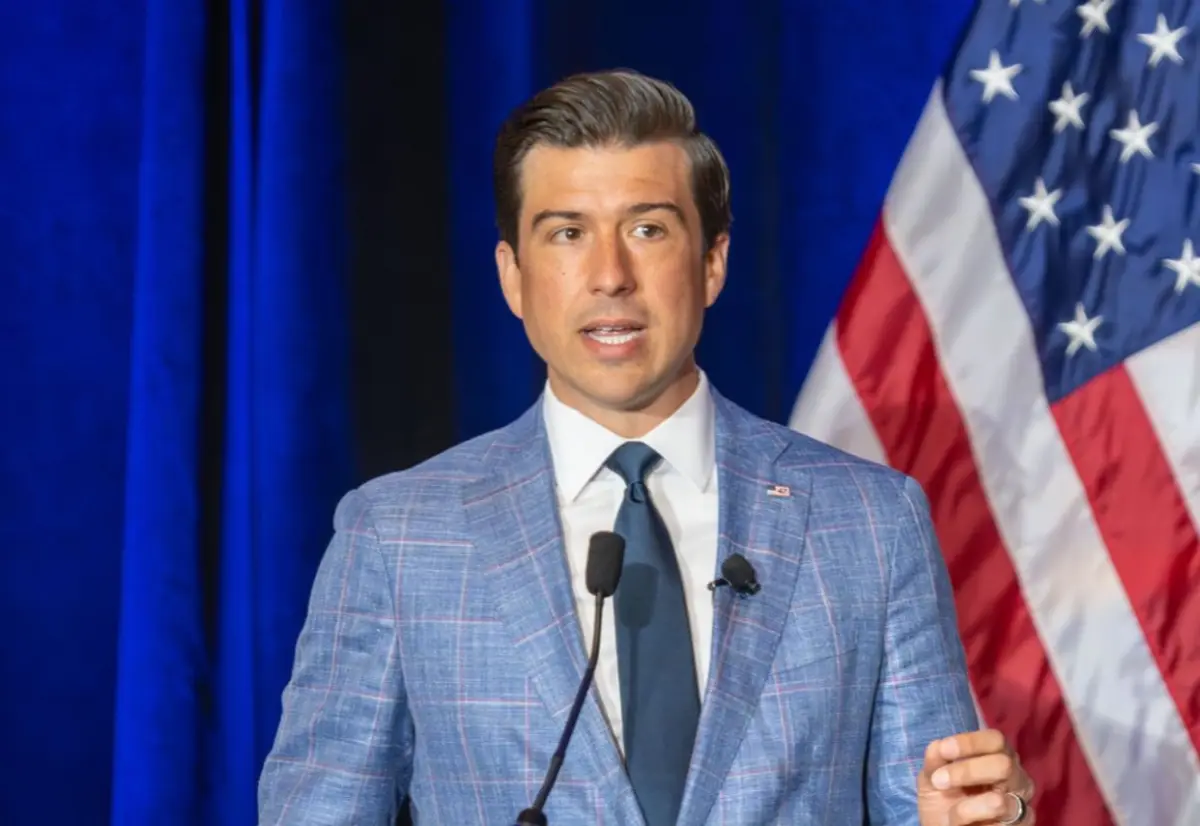
Appearing before the House Appropriations subcommittee overseeing agriculture funding on March 4, Undersecretary for Trade and Foreign Agricultural Affairs Luke Lindberg said the administration is pursuing an “America first approach to trade, aimed at restoring US agricultural competitiveness abroad.
“Our mission is clear: restore fairness and reciprocity in global markets and return America’s agricultural trade balance to a surplus,” Lindberg told lawmakers.
He said the strategy focuses on three pillars: “securing better deals, strengthening buyer-seller relationships and holding our partners accountable.”
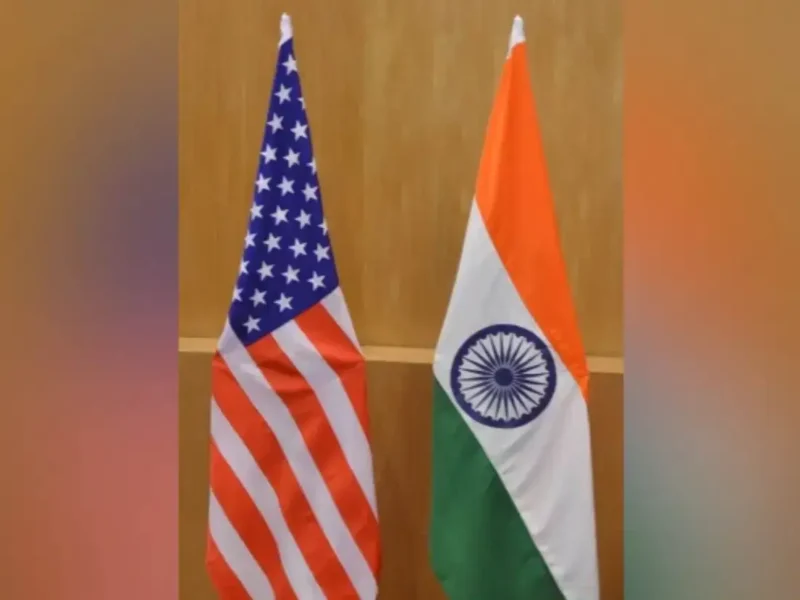
Lawmakers raised questions about growing opportunities in India, particularly for tree nuts and specialty crops. India has historically imposed high tariffs on products such as pecans, sometimes reaching 100 percent.
Asked about the status of a new agreement with India, Lindberg said negotiations were still being finalized by the Office of the US Trade Representative.
“I do anticipate that pecans will be a part of that overall agreement as the broader tree nut industry is included,” he said.
Several lawmakers pressed Lindberg on how the United States plans to reduce imports and strengthen domestic production.
Lindberg acknowledged that certain sectors face heavy import dependence. “We import about 75 per cent of our seafood,” he noted, adding that domestic producers could potentially supply more of the market.
Lindberg argued that expanding exports while increasing domestic consumption of US-grown food would ultimately benefit American farmers.
“We want to produce more here in the United States, consume more of what we produce here in the United States and export more as well,” he said. (IANS)