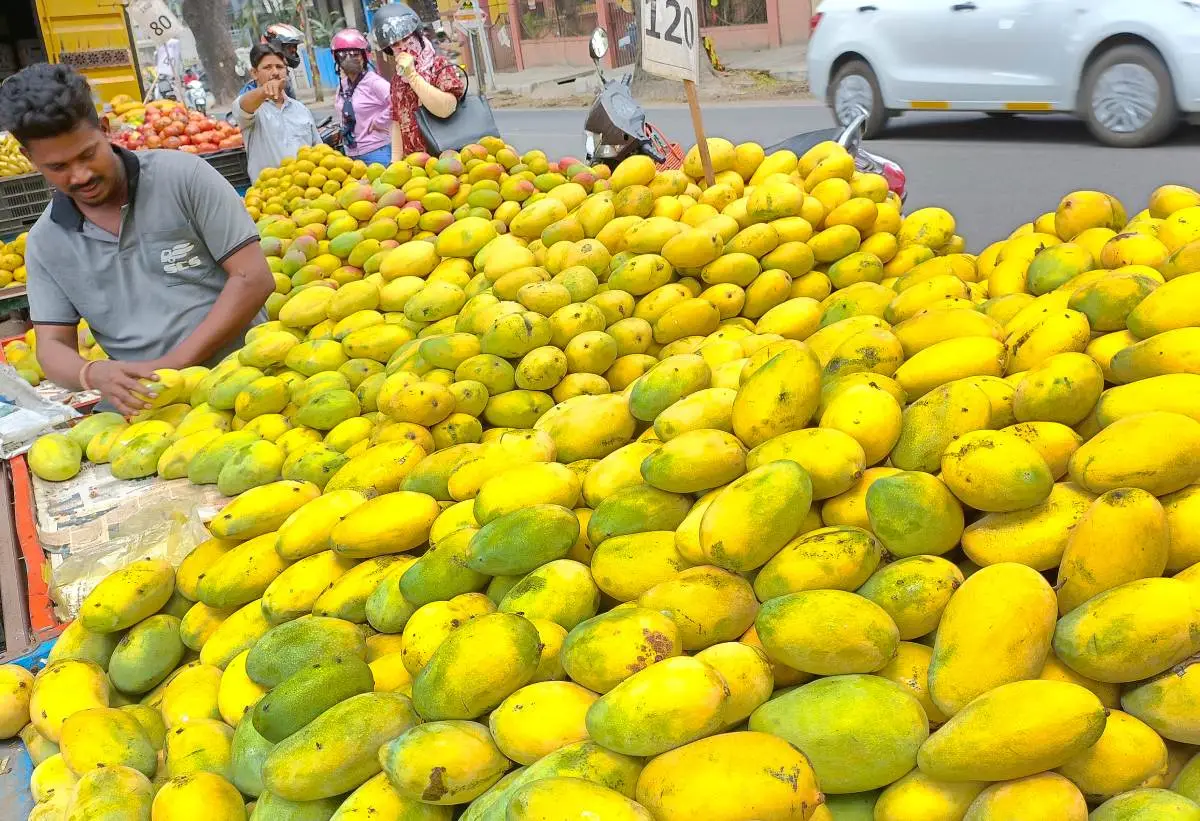
From Alphonso To Kesar: Exploring India’s Mango Heritage
Known as the “King of Fruits,” the mango has been cultivated in India for thousands of years and remains deeply connected to the country’s culture, traditions, and cuisine. India is the world’s largest producer of mangoes and is home to hundreds of recognized varieties, each reflecting the climate, soil, and tastes of its region.
Ancient Indian literature and scriptures often mention mangoes as symbols of prosperity, love, and abundance. For many Indian Americans, mango season evokes memories of home, family gatherings, and favorite regional varieties.
Among India’s most popular mangoes is the Alphonso, or Hapus, grown mainly in Maharashtra’s Konkan region and known for its rich aroma and saffron-colored pulp. Gujarat’s Kesar is prized for its sweetness and distinctive color, while Uttar Pradesh’s Dasheri is celebrated for its fragrant, sweet flesh. Another favorite from Uttar Pradesh, Langra, remains green even when ripe and is loved for its distinctive flavor.
In southern India, Banganapalli from Andhra Pradesh is known for its sweet, fiberless pulp, while Totapuri, grown across Karnataka, Andhra Pradesh, and Tamil Nadu, is easily recognized by its beak-shaped tip and is widely used in juices and pickles. West Bengal’s Himsagar is valued for its sweet, fiberless flesh, while Chausa, popular in Bihar, Uttar Pradesh, and Haryana, is known for its juiciness and aroma. Other well-known varieties include Malgova, Neelam, Raspuri, Pairi, Amrapali, Fazli, Imam Pasand, and Maldah.
Beyond fresh consumption, mangoes are used in juices, desserts, jams, ice creams, and sweets. Raw mangoes are commonly used in pickles and traditional summer drinks such as aam panna. Mango leaves also play a role in religious ceremonies and festivals across India.
Mango cultivation contributes significantly to India’s agricultural economy, supporting millions of farmers, traders, and workers.
From the famed Alphonso of Maharashtra to the sweet Kesar of Gujarat and the beloved Dasheri of Uttar Pradesh, India’s extraordinary range of mangoes continues to delight consumers around the world and remains an enduring part of the country’s culinary heritage.
By Rishi, adapted from a Facebook post shared in the Old Bombay group.
Explore Healthy Food Recipes inspired by Indian and global cuisine, featuring nutritious meals, diet-friendly dishes, and easy cooking ideas for everyday life. Stay updated with healthy eating tips, balanced nutrition guides, and wellness-focused recipes designed for Indian audiences seeking better lifestyle choices. Discover simple, wholesome, and delicious recipes that support fitness, energy, and overall well-being.