Why The Ultimate Test Of American Citizenship Belongs To Us
By Richard T. Herman
For years, I assumed she had gone to school.
There was nothing about her that suggested otherwise. She was thoughtful, articulate, and curious. English was her native language, and our conversations were always engaging. She asked perceptive questions, listened carefully, and carried herself with a quiet confidence that made it easy to assume she’d had educational opportunities many of us take for granted.
Then I learned the truth.
Growing up, she had never been allowed to attend school. By the time I met her, she was in her thirties and had gone her entire life without learning to read or write.
Yet she wanted to become an American citizen.
That meant she first had to accomplish something most of us barely remember doing. She had to learn to read and write for the very first time.
She enrolled in literacy and citizenship classes, and worked with a determination that was impossible not to admire. Night after night she practiced sounding out words, reading simple passages, and writing sentences by hand. She wasn’t simply preparing for a civics exam. She was reclaiming an opportunity life had denied her decades earlier because she believed becoming an American citizen was worth every ounce of effort it demanded.
When the day of her naturalization interview finally arrived, the pressure overwhelmed her.
She knew the answers. I knew she knew the answers. But anxiety has a way of erasing confidence, and in that moment she simply froze.
I asked the USCIS officer if I could explain.
I told him about the woman sitting before him, about the obstacles she had already overcome simply to reach that chair, and about the extraordinary effort it had taken for her to learn to read and write in middle age. He listened quietly, slowed the interview, encouraged her to take her time, and gave her the opportunity to demonstrate what she had worked so hard to learn.
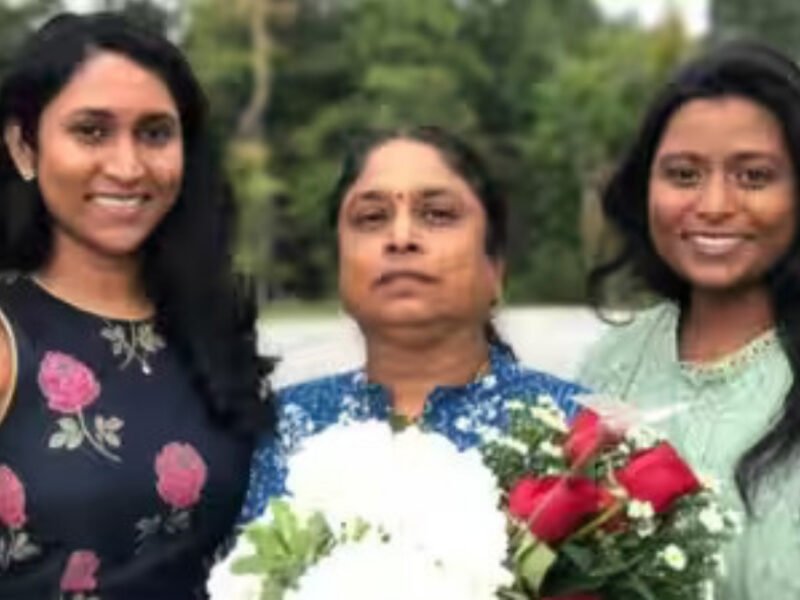
Several weeks later, she invited me to her naturalization ceremony. Standing beneath an American flag after taking the Oath of Allegiance, she smiled with a pride I’ll never forget. We took a photograph together, and every time I see it, I’m reminded of what that day really represented.
As America prepares to celebrate its 250th birthday, I find myself thinking about her story because it captures something we’ve almost forgotten.
We often describe the United States as a nation of immigrants. That’s certainly true. But what has always made America distinctive is not simply that people came here. Nations throughout history have welcomed newcomers.
America did something far more ambitious.
It invited them to become Americans.
That has never been a simple process. Every generation has wondered whether the newest arrivals would really assimilate, whether they would embrace our values, or whether they somehow threatened the country they hoped to join. The nationalities changed. The arguments changed. The anxieties remained remarkably familiar.
Yet history tells a different story.
The people who were once viewed as outsiders became neighbors, business owners, teachers, physicians, soldiers, judges, and community leaders. They didn’t diminish America. They strengthened it, often in ways that became obvious only years later.
That’s why I have come to believe every naturalization ceremony contains not just one promise, but two.
The first belongs to the new citizen. They publicly pledge allegiance to the Constitution, accept the responsibilities of citizenship, and willingly bind their future to the future of this country.
The second promise is never spoken aloud.
It belongs to the rest of us.
If someone has lawfully earned citizenship, embraced our constitutional ideals, and accepted the obligations that come with being an American, we owe them something in return. We owe them the willingness to see them not as perpetual newcomers, but as fellow Americans.
We have not always kept that promise.
Our history includes periods of exclusion, prejudice, and fear. Those chapters deserve to be remembered honestly. But they are not the whole American story. The larger story is that, time and again, this country has found its way back to its founding ideals and expanded its understanding of who belongs within them.
That, to me, is one of America’s greatest achievements.
When I look at the photograph from that naturalization ceremony, I don’t simply see a woman who became an American citizen.
I see someone who believed in this country enough to learn to read and write..
She kept her promise.
As we celebrate America’s 250th birthday, I think it’s worth asking whether we will keep ours.
If we expect much of those who seek American citizenship—and we should—we should expect something of ourselves as well. We should honor the commitment they have made, welcome those who have earned their place, and remember that citizenship is more than a legal status. It is a shared commitment to constitutional democracy and to one another.
For nearly 250 years, that promise has helped renew this republic.
My hope is that it continues to do so for the next 250.
(Herman is an immigration lawyer in Cleveland, OH and has practiced immigration law for over 30 years. He is the founder of Herman Legal Group and has co-authored Immigrant, Inc.: Why Immigrant Entrepreneurs Are Driving the New Economy.)