
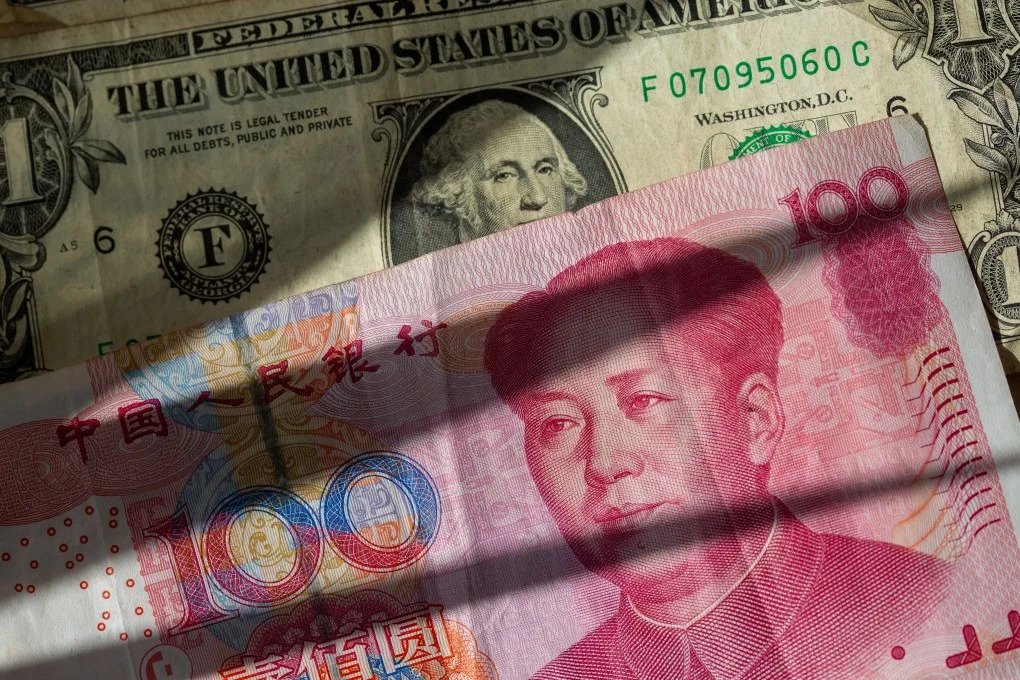
China Pushing African Nations To Repay Debt In Yuan Instead Of US Dollars
NEW DELHI-Beijing has started asking African countries to shift their debt repayments to China from the US dollar to the yuan as part of its strategy to strengthen its currency and challenge the dominance of the American currency in the global payment system, according to a media report.
Kenya’s decision to restructure part of its Chinese debt and shift repayment from US dollars to Chinese yuan “is increasingly being interpreted as an early signal of a wider reconfiguration in international finance, one in which nations under pressure are searching for alternatives to the traditional dollar-centered order”, according to an article in Nigeria’s Independent newspaper.
The article said China, after rising to become one of the world’s largest economies, is seeking to reduce the importance of the dollar, a currency Beijing does not control.
China has emerged as a predominant lender to Africa as governments across the continent faced significant infrastructure deficits and traditional international lenders often attached governance conditions, extensive policy requirements and lengthy approval processes to financing. China offered funding with greater speed and scale.
Historical estimates indicate African countries collectively accumulated roughly $150 billion to $180 billion in Chinese lending commitments over two decades, though outstanding balances vary as loans mature and repayments continue. Angola, Ethiopia, Kenya, Zambia, Egypt, Cameroon, South Africa and Nigeria are among the major recipients of Chinese-backed development financing.
The article noted that African governments collect taxes largely in local currencies while debt repayment obligations remain external, meaning currency depreciation can significantly increase financial pressure and reduce fiscal flexibility.
By renegotiating portions of its Chinese debt from dollar denomination into yuan, Kenya sought relief from exchange pressures and lower financing costs. While the debt remains, supporters view the currency adjustment as economic pragmatism.
However, the article observed that “currency is not merely a medium of exchange. It is influence”.
China’s broader objective appears increasingly clear, with expanding yuan settlement systems, cross-border financing and debt repayments in Chinese currency pointing toward the development of an alternative financial architecture to the dollar-centered system.
While the shift may appeal to some African countries, risks associated with debt and repayment obligations remain.
For the US, increased settlement of trade, borrowing and debt repayments outside the dollar could gradually weaken demand for dollar intermediation and challenge American financial influence, the article added. (IANS)



pemba
/
China has planed to reduce dealing in US $.
July 15, 2026