El Nino Could Fuel Displacement, Conflict, Economic Shocks, UN Warns
NEW YORK, NY-The United Nations has warned that El Nino could trigger economic shocks worldwide, with extreme heat, droughts and floods threatening Asia, the Pacific and other parts of the Global South.
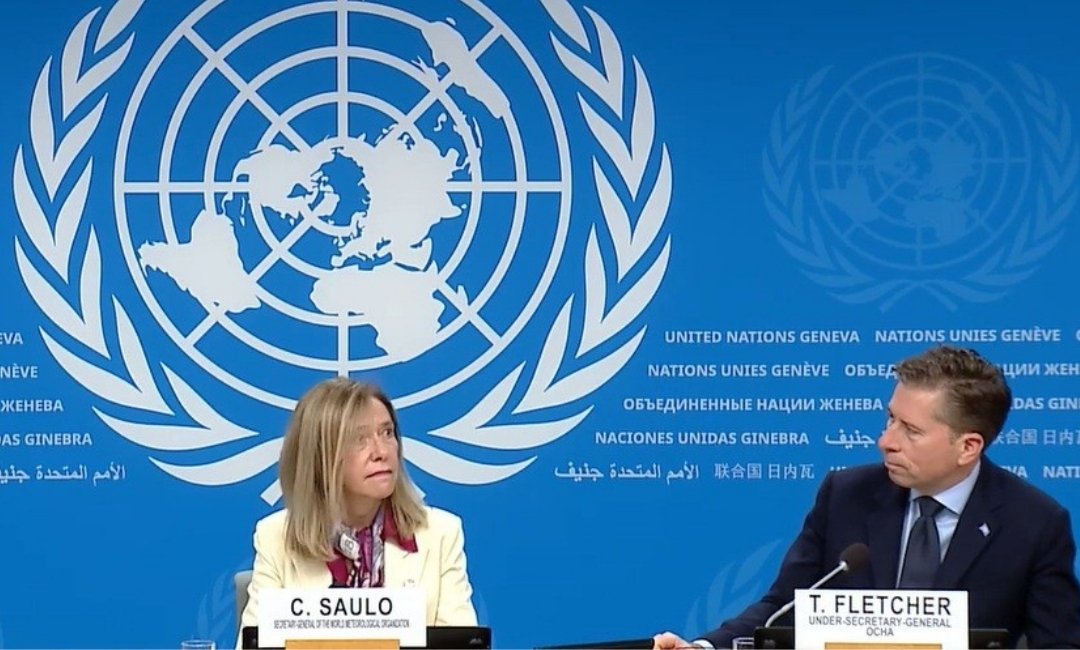
“This El Nino is a behemoth. It is a wrecking ball. It will tear through, as you’ve heard, Latin America, Eastern and Southern Africa, Asia and the Pacific with extreme heat, droughts and floods,” UN Under-Secretary-General Tom Fletcher said on Oct. 21 at a news conference in Geneva.
Fletcher warned that the damage would extend beyond directly affected countries, fueling conflict, displacement and migration. He said the next two weeks were a critical window to act before the worst impacts materialized.
The UN official called for greater international cooperation among governments, civil society, academics and businesses. He said he was asking countries with disaster-response capabilities to place them on immediate standby to support relief efforts.
India has contributed to international disaster preparedness through the India-UN Development Partnership Fund, which has supported early warning systems and disaster risk reduction projects in seven Pacific Island countries. India also works with the United States, Japan and Australia through the Quad’s Humanitarian Assistance and Disaster Relief programs in the Indo-Pacific.
Neither Fletcher nor World Meteorological Organization Secretary-General Celeste Saulo, who also spoke at the briefing, provided country-specific forecasts.
Saulo warned that although El Nino was expected to peak towards the end of this year, its effects would continue long afterwards. She said the phenomenon could reach unprecedented strength, potentially exceeding the monitoring thresholds used over the past four decades.
For Southeast Asia, Saulo said warmer conditions and reduced rainfall would increase heat exposure and put additional pressure on agriculture and water supplies. She also warned of growing wildfire and smoke hazards.
A WMO bulletin has forecast normal to above-normal maximum and minimum temperatures across most of southern South Asia for the rest of the year. (IANS)