San Bernardino County Launches Community-Based Hate Crime Reporting Network
India-West News Desk
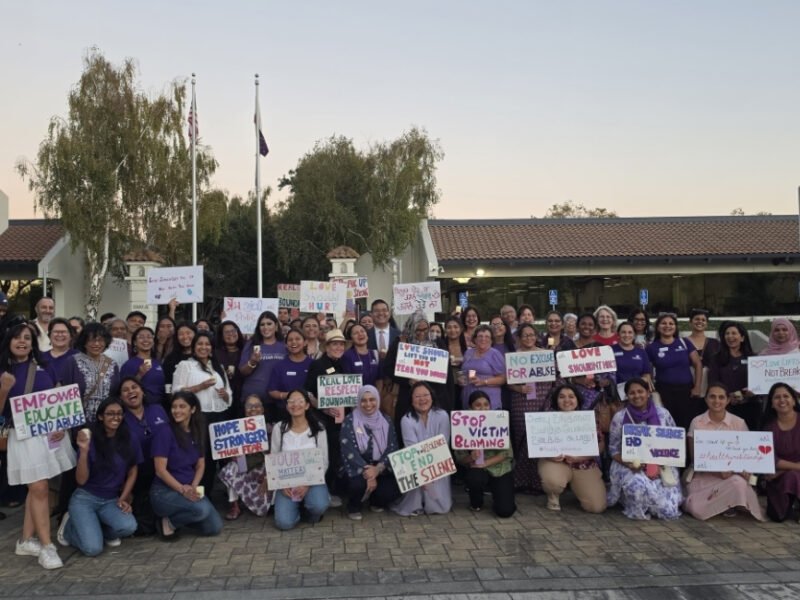
SAN BERNARDINO, CA — The Human Rights Coalition of San Bernardino County (HRC-SBC) is launching a community-based reporting system designed to help victims of hate crimes and bias incidents access support services without requiring law enforcement involvement. Operated through the Family Assistance Program, the initiative aims to address the persistent underreporting of hate incidents across the Inland Empire.
HRC-SBC has developed a digital Hate Crime & Bias Incident Rapid Reporting Tool that allows residents to document incidents confidentially, access resources, and connect with support services. Reports can be submitted anonymously and do not automatically trigger law enforcement involvement.
Data indicates a significant disparity between the prevalence of hate acts and official reports. According to the UCLA Center for Health Policy Research, more than 3 million Californians experienced a hate act in the past year. However, in 2024, the city of San Bernardino recorded only one hate crime reported to law enforcement, while San Bernardino County reported 38. Researchers say underreporting remains a major challenge despite the prevalence of hate incidents.
To support the effort, HRC-SBC is recruiting community organizations, advocates, faith leaders, service providers, and legal aid groups to form a Community Review & Response Network (CRRN). Once enough community partners have joined the network, the reporting system will be launched countywide.
“Putting a stop to hate takes all of us working together,” said Kevin Kish, Director of the California Civil Rights Department. “We’re proud to support local partners in building resiliency and community connection.”
Caitlyn Kautzman, Coalition Coordinator for HRC-SBC, said the network is intended to ensure survivors receive support when they come forward.
“Too many victims of hate suffer in silence because they don’t know where to turn or fear what may happen if they come forward,” Kautzman said. “When someone reaches out for help, there should be a community ready to respond.”