How Indian Women Peacekeepers Are Shaping UN Missions Worldwide
NEW YORK-In some of the world’s most troubled regions, Indian women peacekeepers are doing far more than maintaining security. They are building trust, supporting vulnerable communities, and becoming symbols of empowerment for women living through conflict.
Today, more than 160 Indian women serve in United Nations peacekeeping missions around the world. According to India’s Permanent Representative to the UN, P. Harish, their presence plays a critical role in giving hope to women and children affected by violence while helping communities rebuild confidence in peace processes.
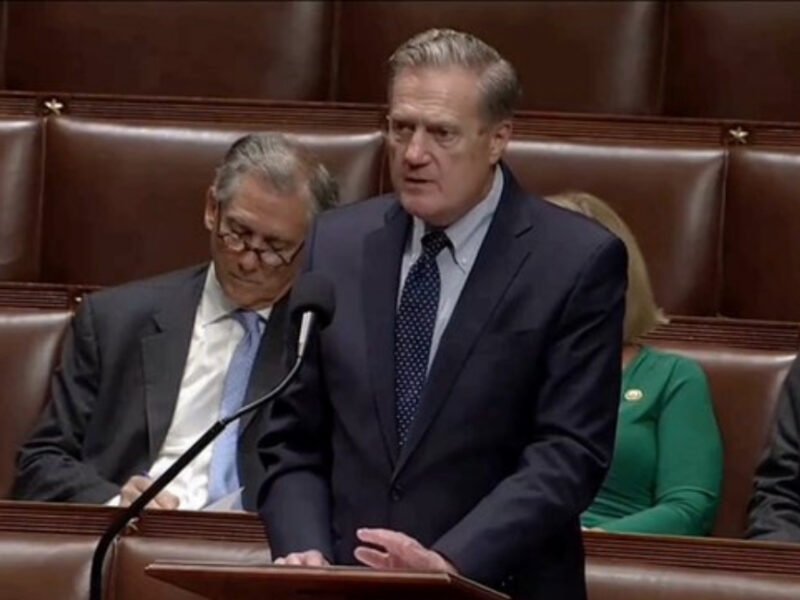
“They build trust in communities. They give hope to vulnerable populations, particularly women and children,” Harish told the UN Security Council during a debate on women, peace and security.
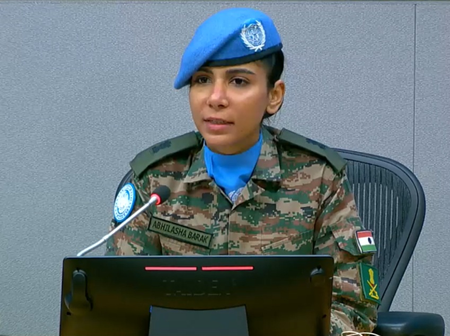
Indian women peacekeepers have earned international recognition for their contributions. This month, Indian Army Major Abhilasha Barak received the UN Peacekeeper’s Gender Advocate Award, becoming the latest Indian woman to be honored for advancing gender equality through peacekeeping operations.
India has long been a pioneer in promoting women in peacekeeping roles. It was the first country to deploy an all-female police unit to the UN Mission in Liberia, a move that inspired thousands of Liberian women to join their country’s police force.
To strengthen women’s participation in peacekeeping globally, India established the Centre for UN Peacekeeping in New Delhi. The center trains women military officers from different countries and serves as a platform for sharing experiences and best practices. Last year, women officers from 15 countries attended the UN Women Military Officers Course, while peacekeepers from 35 nations participated in the Conference for Women Peacekeepers from the Global South.
Harish emphasized that peacekeeping efforts must be supported by broader efforts to empower women politically, economically and socially. He pointed to India’s reservation of one-third of seats in local self-governing bodies, which has brought more than a million women into leadership roles, as well as the Women’s Reservation Act of 2023 that provides for greater representation in Parliament.
UN-Women Executive Director Sima Bahous echoed the importance of women’s participation in peacebuilding, noting that while women rarely start conflicts, they often bear the greatest consequences. Research has shown that involving women in peace negotiations helps reduce violence and makes peace agreements more durable.
As conflicts continue to affect millions across the globe, Indian women peacekeepers remain at the forefront of efforts to protect communities, promote stability, and demonstrate how women’s leadership can contribute to lasting peace. (IANS)