India Gets Lower US Tariff After Agreeing To Change Rules On Forced Labor
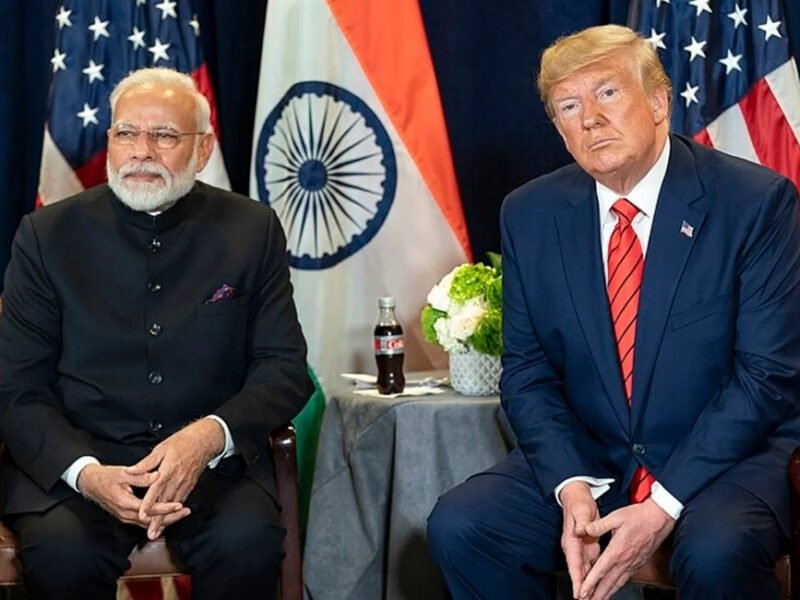
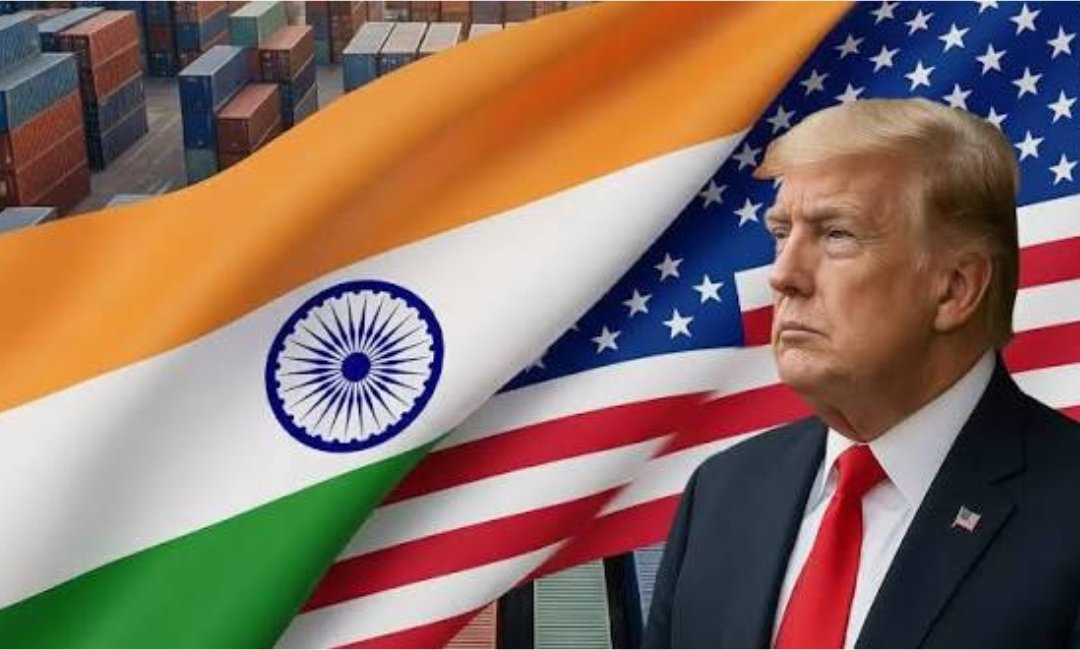
WASHINGTON, DC-India will face a lower 10 per cent tariff under the Trump administration’s new Section 301 enforcement action on imports linked to forced labor after the United States concluded that New Delhi had adopted a forced labor import prohibition.
The Office of the US Trade Representative (USTR) announced that, at President Donald Trump’s direction, it is imposing tariffs on imports from 60 economies for failing to impose or effectively enforce bans on goods produced with forced labor. The new duties range from 10 per cent to 12.5 per cent.
India is among 17 economies that will be subject to the lower 10 per cent tariff, alongside Bangladesh, Canada, Indonesia, Malaysia, Mexico, Pakistan, Sri Lanka and the United Kingdom.
According to the USTR, India moved into that category after adopting a forced labor import prohibition following the publication of the USTR’s proposed action in June.
“President Trump recognizes that decades of moral suasion have not eradicated forced labor from global supply chains. The United States has had a forced labor import ban for nearly a century, and rigorously enforces it; it’s well past time for our trading partners to do the same,” US Trade Representative Jamieson Greer said.
“Today’s action will begin to correct what is both a human rights abuse and a distortive trade practice to improve the welfare of workers everywhere. I am encouraged by the trading partners who have moved quickly to adopt forced labor import prohibitions, and look forward to ensuring their effective enforcement,” Greer said.
The action concludes investigations launched on March 12 into 60 economies over what Washington described as failures to prohibit or effectively enforce restrictions on imports made with forced labor.
The USTR said it determined that the acts, policies and practices of all 60 economies were “unreasonable” and burdened or restricted US commerce, making them actionable under Section 301 of the Trade Act of 1974.
Besides India, Cambodia, Guatemala, Honduras, Sri Lanka and Trinidad and Tobago also adopted forced labor import prohibitions after the investigations began. Jordan also committed to such measures through an Agreement on Reciprocal Trade, according to the Federal Register notice.
Most other investigated economies, including China, Australia, Brazil, Saudi Arabia, the United Arab Emirates, Vietnam and South Africa, will face a 12.5 per cent tariff. The European Union, Japan, South Korea, Switzerland and Taiwan are subject to a different formula that applies tariffs net of existing Most-Favored-Nation duty rates.
The USTR also announced broad product exemptions covering certain raw materials, products critical to domestic supply chains, pharmaceuticals, semiconductor manufacturing equipment and other goods where tariffs could cause significant economic disruption or fail to advance the policy objective. It also said tariff-rate quotas would be developed for Bangladesh, Cambodia, Indonesia and Malaysia to encourage imports made with U.S. textile and cotton inputs. (IANS)