India, US Stay Engaged On Trade Deal As Tariff Issues Mount
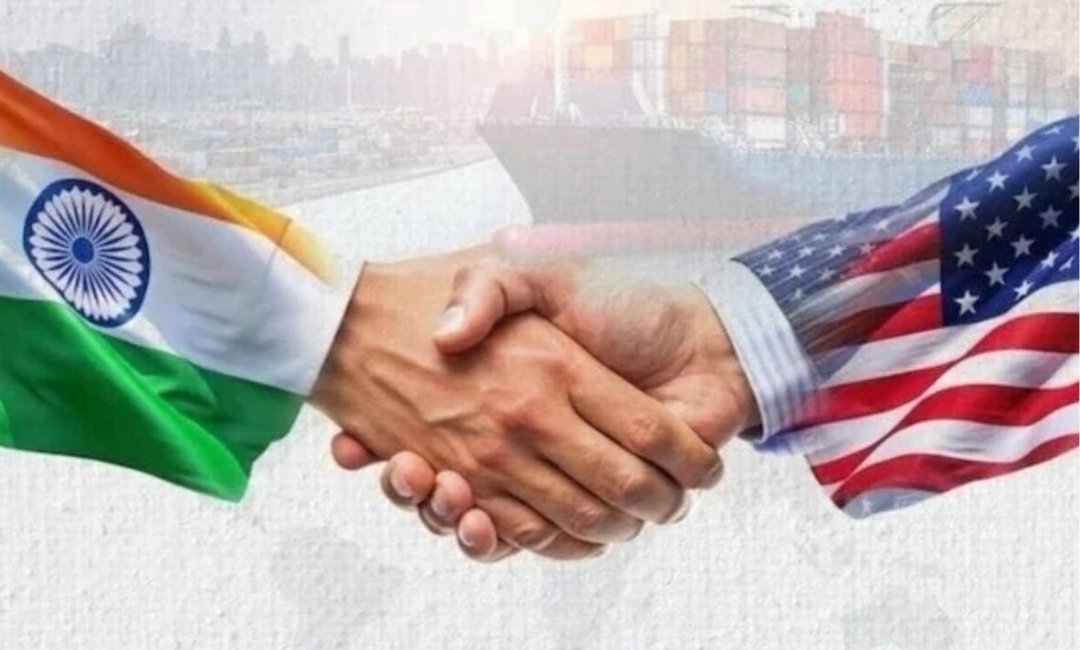
NEW DELHI-India is in regular touch with the United States over talks on the proposed bilateral trade agreement (BTA), with both sides committed to the terms of the framework deal agreed upon in February, Commerce Secretary Rajesh Agarwal said on August 13.
“Our sense is both sides are completely committed to move ahead and finalize the framework that was agreed in February, and the two countries are in regular contact on the issue,” Agarwal told journalists.
“We are engaged with the US side on the trade deal and our contacts are regular,” he added.
While the two countries had made headway with the first phase of the BTA in February, fresh tariff-related developments in the US have created uncertainty around the negotiations.
India’s exports currently face an additional 10 per cent duty under a Section 301 investigation examining alleged forced labor concerns in the US.
The US Senate has also passed a sanctions bill that would give President Donald Trump the authority to levy tariffs of up to 100 per cent on goods exported by major buyers of Russian oil, including India. Western countries have argued that such oil imports help Russia finance its war against Ukraine.
India’s imports of crude oil from Russia have risen and accounted for more than half of the country’s total oil imports during July.
On the proposed sanctions, Agarwal said: “It is a legislative process of the US, which is underway and is their internal process.”
However, he declined to comment further on the matter.
India imports more than 85 per cent of its crude oil requirement, making its access to multiple energy sources important as geopolitical uncertainty continues to affect global energy markets. The country has diversified its crude oil import sources to 41 countries from 27 earlier, following the outbreak of the Iran war and the closure of the Strait of Hormuz.
India has also diversified its liquefied natural gas imports from six countries earlier to 15 countries to strengthen energy security, with the US now accounting for a major share of these imports. (IANS)